The information provided in this article is intended solely for general informational and educational purposes. It does not constitute medical advice, diagnosis or professional treatment, and should not be considered a substitute for consultation with a qualified doctor or other licensed healthcare professional. Any health-related decisions should be made in consultation with accredited medical professionals.
While efforts have been made to ensure the information is accurate and up to date, no guarantees are given—either express or implied—regarding its accuracy, completeness, currency or suitability. Use of this information is at your own discretion.
It is strongly recommended to consult official sources such as the NHS (National Health Service) or other recognised medical institutions before acting on any information contained on this website or article. Under no circumstances should professional medical advice be ignored or delayed due to content read here.
This content is of a general and informational nature only. It is not intended to replace individualised guidance from a healthcare professional or to establish any doctor-patient relationship. The publication of this information does not imply any professional responsibility, guarantee or obligation on the part of the author or this site.
Have you ever tried typing or gripping something with a sore finger? It can be really frustrating, right? Our fingers do so much for us, from texting to cooking. When they get injured, it can feel like our whole lives are put on hold.
Here’s the thing: proper care is essential for recovery. Finger splints play a vital role in that process. They help stabilize injuries and support healing. But not all splints are created equal. Some are better suited for certain conditions than others.
This article will explore eight essential finger splints that can aid in effective recovery and care. We’ll break down the different types and their uses in simple terms, so you can understand what might be best for your situation.
Your health decisions shouldn’t rely solely on what you read online. It’s always a good idea to consult with a healthcare professional regarding your specific needs. After all, we want to make sure you’re getting the best care possible!
Discover the Top Choices for Comfort and Healing
Understanding Finger Splints
Finger splints are aids designed to support and immobilize your fingers after an injury, surgery, or while dealing with a condition. Think of them as little braces that help keep everything in place. They can relieve pain and encourage healing.
Why Use a Finger Splint?
Basically, when you injure your finger, movement can make things worse. A splint restricts motion, allowing tissues to mend without extra stress. It’s like giving your finger a break while it does its job of healing.
Types of Finger Splints
There are several types out there, each serving different needs:
- Static Splints: These keep the finger completely still. They’re often used after fractures.
- Dynamic Splints: These allow some movement but with controlled range. They’re good for recovery post-surgery.
- Tape or Buddy Taping: This method involves taping an injured finger to an adjacent one for support.
The Best Options Available
You might be wondering which ones are top choices for comfort and healing. Here’s a breakdown of eight essential splints you could consider:
- SAM Finger Splint:Mainly made of aluminum and foam, it’s lightweight and moldable for custom fit.
- Zinc Oxide Tape:This serves dual functions: support while also being easy to remove when it’s time to change dressings.
- Padded Aluminum Splint:This one provides great protection while still allowing some breathing space for skin health.
- D-ring Velcro Splint:This is adjustable and highly secure but may take time to get used too!
- Mallet Finger Splint:If you’re dealing with a mallet injury (where the tip droops), this could be the right choice for you.
- Splintek Therapy Wrap:A soft wrap that offers gentle compression—perfect if your condition requires it without excessive rigidity.
- Nail-biting Guard Splice: If you bite your nails (a common habit), this one works both as a deterrent and protective covering! li >
The next two options…
BJ’s Foam Finger Protector:This is soft on skin but helps prevent further injury during everyday activities like typing or cooking!
A Few Considerations
No every splint will fit everyone’s needs perfectly! You might have to try a few before finding what feels best. Moreover, ensuring proper size is key—too tight can limit circulation; too loose won’t provide adequate support. Always think about how long you’ll need it; some injuries heal fast while others can take weeks or even months! p >
Caring For Your Splint
Cleansing the splint regularly is important too! Bacteria can build up over time, especially if it gets sweaty or dirty from daily activities. Mild soap and water should do the trick well enough. Avoid harsh chemicals that could damage both the splint material and skin underneath—nobody wants irritation in addition to their injury. p >
The Journey Ahead
Your path depends largely on your specific circumstances—injury type, personal comfort levels; every factor counts! Staying patient as you recover is crucial; rushing might lead to longer recovery timelines down the road…. It’s really about balance: resting when needed while gently working towards mobility again! p >
If ever unsure about any steps in your healing journey… don’t hesitate reaching out for professional advice tailored just for you! Sometimes chatty friends aren’t enough—that’s perfectly okay! p >
Discover the key splint types and their unique benefits for injury care.
Understanding Finger Splints
Finger splints are a way to support and protect injured fingers. They come in various types, each designed for specific needs. Here’s a run-through of some key splint types and their benefits.
1. Buddy Splint
This type wraps around two adjacent fingers, helping them move together. Think of it like holding hands for support. It’s often used for sprains or fractures.
2. Static Splint
A static splint immobilizes the finger completely. Imagine putting your finger in a cast to keep it still while healing happens. This is great for serious injuries or after surgeries.
3. Dynamic Splint
A dynamic splint allows limited movement while still offering support. It’s like giving your finger some freedom while reminding it not to overdo it! This can be useful during recovery from certain conditions.
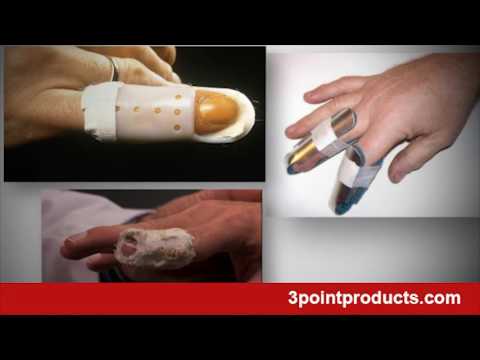
4. Stack Splint
This one looks like a small tube that fits over the injured finger tip, keeping it straight and supported. Think of it as a cozy home for your sore fingertip! It helps especially with conditions like mallet finger.
5. Moldable Splint
Moldable splints can be shaped to fit the individual’s finger snugly, providing personalized support. You know those bendable straws? It’s kinda like that; you shape it just right!
6. Taping Splint
Sometimes, simply taping the injured finger alongside an uninjured one can do wonders! This provides stability without needing extra equipment—like using duct tape when fixing things around the house!
7. Foam Splint
A foam splint is super lightweight and comfortable but still gives some stability and protection to the injured area, almost like wrapping your hand in a soft blanket.
8. Custom-Fitted Splints
If injuries are more complicated, custom-fitted options might be necessary to ensure proper alignment and healing—like getting tailored clothes instead of off-the-rack stuff!
The Benefits of Using Finger Splints
- Pain Relief: By stabilizing the injury, splints can reduce pain during movement.
- Support: They provide essential support that lets you go about day-to-day activities as you heal.
- Protection: Protects against further injury while allowing time for recovery。
- Certain Mobility: Some designs allow partial movement which can help maintain function during healing phases.
A Few Considerations
No two injuries are alike! It’s important to think about what kind of injury you have when choosing a splint type—what works for one person may not work as well for another,. Also remember: if you’re unsure about what you need, seeking advice from someone who knows more about this stuff could be helpful.
Everything You Need to Know About Finger Splints and Their Healing Benefits
Understanding Finger Splints
Finger splints are devices used to immobilize and support injured fingers. They’re like tiny braces that help keep your finger in place. This can be really important when you’ve sprained, fractured, or otherwise hurt your finger.
Why Use a Finger Splint?
The main goal of wearing a splint is to protect the finger as it heals. Think of it like putting a cast on your arm when it’s broken. A splint helps limit movement, reducing pain and preventing further injury.
Types of Finger Splints
- Static Splints: They hold the finger in one position. Good for fractures or severe strains.
- Dynamis Splints: These allow some movement while still providing support. They’re often used during rehab.
- Stack Splints: Commonly made from foam or plastic, these apply gentle pressure to help straighten bent fingers.
- Sugar-Tongue Splints: These are shaped like a “U” and provide extra stability, especially for wrist injuries that affect the fingers.
- Tape Splints: Simple and effective; tape can be used alongside another stronger material to immobilize the joint effectively.
The Healing Process
You might wonder how long you need to wear a splint. It really depends on the injury’s severity and type—something like 2 weeks to a couple of months in some cases! During this period, it’s essential to monitor your progress and follow any care instructions provided by health professionals.
Real-Life Scenarios
If you’ve ever played sports and jammed your finger, you may have had a temporary splint applied. Or maybe you’ve seen someone with their fingers taped together after an accident. These are practical examples of how splints work in everyday life!
Caring for Your Finger While in a Splint
This part might seem simple but is crucial! Keep the area clean and dry—moisture can lead to skin irritation or infection. Also, make sure not too tight; there should be no numbness or excessive swelling around it!
Misinformation About Finger Splints
A common myth is that wearing a splint makes muscles weaker over time. The reality is that proper use can actually support muscle recovery by preventing additional strain during healing.
The Bottom Line
If you’re dealing with an injury requiring a splint, remember it’s just one part of recovery—resting the injured area is equally vital! Check in with whoever you trust for advice if you’re unsure about its fit or duration.
Reflection on Finger Splints for Recovery and Care
Finger injuries are quite common, whether from sports, accidents, or repetitive strain. Understanding the right splints can make a big difference in recovery and comfort. In exploring the “8 Essential Finger Splints for Effective Recovery and Care,” it’s clear that each type serves a specific purpose.
For instance, some splints immobilize fractures to allow healing, while others support tendons during rehabilitation. It’s interesting how these simple devices can significantly change someone’s ability to perform daily tasks. Using a splint doesn’t just alleviate pain; it often restores functionality.
By educating patients about which splint suits their condition best, healthcare providers empower individuals to take an active role in their healing journey. Remembering that there’s no one-size-fits-all approach is key here; every finger injury might require a different solution.
This emphasizes the importance of personalized care in recovery strategies. Patients should feel supported not only through their physical healing but also through understanding their injury better as they learn about the options available to them. As awareness grows surrounding effective splint use, hopefully, more people will experience smoother recoveries.