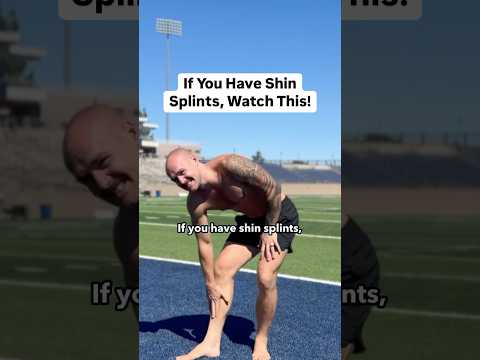
If you’ve ever felt a sharp pain in your lower legs while running or engaging in sports, you might be familiar with shin splints. This common condition can dampen your passion for physical activity and leave you wondering what’s causing the discomfort. But fear not! Understanding shin splints—their causes, care strategies, and recovery steps—can help you overcome this hurdle.
Shin splints, medically known as medial tibial stress syndrome, arise when the muscles, tendons, and bone tissue around your shin become inflamed. Think of it like a warning light on your car’s dashboard; it’s telling you that something needs attention. The good news is that with proper knowledge and care, you can conquer these pains and get back to doing what you love.
However, it’s essential to approach this topic with caution. While there are many resources available online and elsewhere regarding shin splints, not all information is accurate or reliable. Always consult various specialists—like physical therapists or sports trainers—and check credible sources before jumping into self-diagnosis or treatment plans. Knowledge is power! By keeping informed through diverse media channels, you’ll equip yourself with the best tools to tackle your shin splint challenges effectively.
The information provided in this article is intended solely for general informational and educational purposes. It does not constitute medical advice, diagnosis or professional treatment, and should not be considered a substitute for consultation with a qualified doctor or other licensed healthcare professional. Any health-related decisions should be made in consultation with accredited medical professionals.
While efforts have been made to ensure the information is accurate and up to date, no guarantees are given—either express or implied—regarding its accuracy, completeness, currency or suitability. Use of this information is at your own discretion.
It is strongly recommended to consult official sources such as the NHS (National Health Service) or other recognised medical institutions before acting on any information contained on this website or article. Under no circumstances should professional medical advice be ignored or delayed due to content read here.
This content is of a general and informational nature only. It is not intended to replace individualised guidance from a healthcare professional or to establish any doctor-patient relationship. The publication of this information does not imply any professional responsibility, guarantee or obligation on the part of the author or this site.
A Practical Guide to Relieve Pain and Get Back on Your Feet
Shin splints can be a real pain, but understanding them is the first step towards relief. This condition often affects runners and dancers, causing discomfort along the shins. The good news is that with proper care, you can recover well and get back to your activities.
What causes shin splints?
Shin splints typically happen due to overuse. When you suddenly increase your physical activity or change your running surface, your shins can get stressed. Think of your legs like a rubber band—if you stretch it too quickly or too far, it may snap.
Common symptoms
You might feel sharp pain or tenderness along the inner part of your shin bone. Sometimes there’s swelling or even dull aches after exercise. If you notice these signs, it’s important to listen to your body.
How to care for shin splints:
– **Rest**: Give your body time to heal. Reducing physical activity can really help.
– **Ice**: Applying ice packs for 15-20 minutes can reduce pain and swelling.
– **Compression**: Use compression wraps or sleeves to support the area.
– **Elevation**: Keep your legs elevated when resting to decrease swelling.
Recovery steps
1. **Modify activity**: Switch low-impact exercises like swimming or cycling until healed.
2. **Stretching and strengthening**: Gentle stretches and strengthening exercises for the calves and feet aid recovery.
3. **Proper footwear**: Wearing supportive shoes specifically designed for your activity can make a significant difference.
4. **Gradual return**: When returning to high-impact activities, do so slowly to avoid re-injury.
Preventing future issues
To keep shin splints at bay in the future, consider these tips:
If you continue experiencing problems despite following these suggestions, reaching out for help may be necessary. A professional can offer tailored advice based on individual needs.
Understanding shin splints empowers you to take proactive steps toward relief and recovery. Your journey back on your feet begins with listening to what your body tells you!
A Simple Guide to Relieve Pain and Get Back on Your Feet
Shin splints can be a real pain, especially for runners or anyone who stands for long periods. Let’s break down what they are and how to manage them effectively.
What Are Shin Splints?
Shin splints refer to discomfort along the shinbone (tibia). This pain happens when the muscles and tendons around your shin bone become inflamed. It often feels like a dull ache or sharp pain.
Causes of Shin Splints
Understanding why shin splints occur can help you avoid them in the future. Here are some common causes:
Caring for Shin Splints
If you’re dealing with shin splint pain, there are several steps to take:
1. **Rest is key**: Give your legs time to heal. Take a break from running or high-impact activities.
2. **Ice therapy**: Applying ice packs can help reduce inflammation and soothe pain.
3. **Elevation**: Keep your legs elevated whenever possible to decrease swelling.
4. **Compression wraps**: These can support the muscles and decrease discomfort.
Strengthening Exercises
Once the pain eases, it’s important to strengthen your legs, which helps prevent future injuries. Consider these exercises:
Your Footwear Matters
Choosing the right shoes can make a big difference. Look for supportive, well-cushioned shoes designed for your activity level. Consider visiting a specialized store where you can get advice based on your foot type.
The Road to Recovery
Recovery doesn’t have to be rushed; listen to your body’s signals. Gradually return to physical activity when ready, incorporating rest days into your routine.
Remember, while this guide provides general tips, always consult a health professional if pain persists or worsens. Taking steps toward understanding and managing shin splints will help you get back on your feet sooner!
Quick Relief Strategies for Your Aching Shins
Shin splints can be a real pain, often stopping you in your tracks. If you’re feeling discomfort along the front of your shins, it’s helpful to know some quick relief strategies. Let’s explore a few options you can try.
First, **rest** is essential. Giving your body a break allows the muscles and tissues to heal. Think of it like letting a sprained ankle recover; sometimes, stepping back is the best move.
Next, applying **ice** can help reduce inflammation. Wrap ice or a cold pack in a cloth and place it on your shins for 15-20 minutes. This method works like chilling down an overheated engine—it brings things back to normal.
You might also consider **compression**. Using an elastic bandage or compression sleeves can provide support and lessen swelling. Just ensure they’re snug but not too tight—like wearing a firm hug around your shins.
Another strategy is **elevation**. When you sit or lie down, prop your legs up on pillows or cushions. Elevating helps reduce swelling much like lifting up a balloon that’s losing air pressure; it takes the tension off.
Gentle stretching of the calves and shins is also beneficial for relieving tension. Imagine gently pulling on rubber bands—they need care to avoid snapping! Here are some stretches you can try:
Don’t forget the importance of appropriate footwear as well! Shoes with good cushioning can make all the difference during activities, much like having sturdy tires helps smooth out bumps when driving.
Lastly, be mindful of how much strain you’re putting on your legs during activities. Gradually increasing intensity allows your body to adapt without injury—similar to training for a marathon; it takes time!
Remember, these tips are general suggestions for managing discomfort. If pain persists or worsens, talking with someone who understands these issues is important for tailored advice that fits you best.
Shin splints, or medial tibial stress syndrome, are a common issue for athletes and active individuals. Understanding their causes is crucial for both prevention and recovery. Primarily, they arise from repetitive stress on the shinbone and surrounding muscles and tendons. This can result from sudden increases in physical activity, improper footwear, or running on hard surfaces.
Effective care begins with recognizing the signs of shin splints early. Pain along the inner shin that worsens during activity is a key indicator. Addressing this condition involves a multifaceted approach:
Recovery takes patience. Rushing back to exercise can lead to setbacks. Additionally, cross-training with low-impact exercises like swimming or cycling can maintain fitness while minimizing stress on the shins.
Myths surrounding shin splints often suggest quick fixes or miracle treatments like specific stretches that “cure” them instantly, but these misconceptions overlook the importance of a comprehensive recovery strategy.
Ultimately, knowledge about shin splints empowers individuals to make informed decisions about their activity levels and care strategies. Being proactive—whether through proper training techniques or paying attention to body signals—plays a vital role in both conquering existing pain and preventing future occurrences.