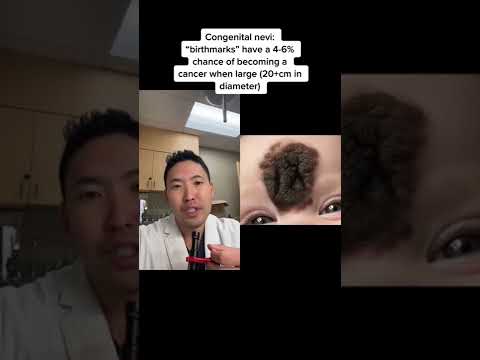
Nevus sebaceous is a fascinating yet often misunderstood skin condition. It appears as a yellowish or orange lesion, typically found on the scalp or face. This type of birthmark develops from overgrowth of sebaceous (oil) glands during fetal development. While many individuals live with it without issues, understanding this condition can help in making informed decisions about care and treatment.
The key aspects to consider include whether removal is necessary, potential cancer risks associated with nevus sebaceous, and how to care for the skin affected by it. While generally benign, nevus sebaceous can sometimes change over time, leading to questions about its management.
Taking time to educate yourself can significantly impact your health journey. It’s essential to consult with various specialists—such as dermatologists and plastic surgeons—and explore different credible sources of information. Knowledge is your best ally; it empowers you to make informed decisions regarding your care.
However, be cautious: not all information available online or from informal sources is accurate. Misunderstandings about nevus sebaceous can lead to unnecessary worry or inappropriate treatments. Always prioritize reliable advice from trained professionals when seeking treatment options or answers regarding this skin condition.
The information provided in this article is intended solely for general informational and educational purposes. It does not constitute medical advice, diagnosis or professional treatment, and should not be considered a substitute for consultation with a qualified doctor or other licensed healthcare professional. Any health-related decisions should be made in consultation with accredited medical professionals.
While efforts have been made to ensure the information is accurate and up to date, no guarantees are given—either express or implied—regarding its accuracy, completeness, currency or suitability. Use of this information is at your own discretion.
It is strongly recommended to consult official sources such as the NHS (National Health Service) or other recognised medical institutions before acting on any information contained on this website or article. Under no circumstances should professional medical advice be ignored or delayed due to content read here.
This content is of a general and informational nature only. It is not intended to replace individualised guidance from a healthcare professional or to establish any doctor-patient relationship. The publication of this information does not imply any professional responsibility, guarantee or obligation on the part of the author or this site.
Uncovering the Link Between Nevus Sebaceous and Cancer Risk
Nevus sebaceous is a type of skin lesion that usually appears at birth or in early childhood. It’s often yellowish and has a slightly raised texture. Many people may notice these lesions on their scalp, face, or neck.
Most nevus sebaceous lesions are benign, meaning they are not cancerous. However, there’s an important link to understand regarding cancer risk later in life. Although rare, some individuals with nevus sebaceous can develop skin cancers, particularly basal cell carcinoma.
Here are key points to consider:
If you have a nevus sebaceous, regular check-ups with a healthcare provider can help identify any concerns early. They may perform examinations and biopsies if necessary.
Understanding nevus sebaceous is essential for responsible health decisions. While most cases don’t lead to complications, awareness helps you stay informed.
Some myths surround this condition. For instance, not all nevus sebaceous will turn into cancer—most remain harmless throughout life. This highlights the importance of critical thinking when it comes to health information.
In conclusion, while there is a connection between nevus sebaceous and potential cancer risk, awareness and careful monitoring are key. If you’re concerned about your skin or any lesions you may have, don’t hesitate to talk to someone who can provide guidance based on your individual situation.
Exploring the Reasons Behind Nevus Sebaceous Removal: What You Need to Know
Nevus sebaceous is a type of skin lesion that often appears at birth or during early childhood. It can look like a yellowish or tan patch on the skin. Although benign, this condition has sparked questions about whether it should be removed.
One reason for removal is cosmetic concerns. People may feel self-conscious about the appearance of nevus sebaceous, especially if it is in a noticeable area. Removing it can improve one’s confidence and comfort in their own skin.
Another reason relates to potential cancer risk. While most nevus sebaceous are harmless, there is a small chance they could develop into skin cancer later in life. Regular monitoring by a healthcare professional is key. If any changes appear—like color shifts or growth—it may be time for removal.
In some cases, nevus sebaceous may cause health issues, such as irritation. Friction from clothing can lead to discomfort or infection, making removal a practical option.
Before deciding on removal, consider the methods available. Surgical excision is commonly used and involves cutting out the lesion along with some surrounding tissue. There are also less invasive techniques but discussing these options with someone experienced in treating skin conditions will provide better insight.
After removal, proper care is essential to promote healing and minimize scarring. This includes keeping the area clean and moisturized as well as following any post-care instructions provided by healthcare professionals.
It’s important to remember that not all nevus sebaceous need to be removed right away—or ever. Regular check-ups will help determine if intervention becomes necessary as one ages.
Always approach decisions about your health thoughtfully and consult with knowledgeable individuals when dealing with skin conditions like nevus sebaceous. Understanding its characteristics helps you make informed choices about your care and wellbeing.
Understanding the Possibility of Recurrence After Removal
Understanding what happens after the removal of a nevus sebaceous is important for anyone considering the procedure. A nevus sebaceous is a type of birthmark that typically appears on the scalp or face. While many people choose to have it removed for cosmetic reasons, it’s good to understand the possibility of recurrence.
When you remove a nevus sebaceous, it’s not just about taking away the surface layer. The underlying tissue and structures also play a role. Sometimes, if all parts of the nevus aren’t completely excised, it can grow back over time.
The risk of recurrence depends on several factors:
It’s also important to note that while nevus sebaceous itself isn’t usually cancerous, there could be an increased risk for skin cancers in some cases. Regular check-ups and monitoring after removal are key to catch any changes early.
Once removed, follow-up care becomes essential. This includes watching for new growths or changes around the site. Keeping an eye out helps manage and address any issues promptly.
Additionally, depending on your situation, your healthcare provider may recommend regular skin exams even after removal. These checks help in assessing overall skin health and catching any potential problems sooner rather than later.
In summary, while recurrence after removing a nevus sebaceous can occur, understanding your specific case is crucial. It’s wise to consult with someone who knows your health history well if you have concerns about recurrence or skin health moving forward. Be proactive about your care!
Nevus Sebaceous is a benign skin lesion that often appears at birth or during childhood. Understanding its properties and management is essential for both patients and healthcare providers.
This type of nevus typically has a yellowish or orange color and a slightly raised appearance. While it is largely harmless, there are important considerations regarding its potential for transformation over time. It can occasionally develop into skin cancer, particularly if it shows atypical features or undergoes changes.
Regular Monitoring: It is crucial for individuals with Nevus Sebaceous to have regular dermatological check-ups. This allows for early detection of any suspicious changes that may indicate malignancy.
Removal Considerations: In many cases, removal of the nevus is recommended, especially if there are concerns about cosmetic appearance or potential cancer risk. Surgical excision is the most common method, which can effectively prevent further complications.
Caring for the Skin: Post-removal care involves keeping the area clean and monitoring for signs of infection. Patients should follow their healthcare provider’s advice on how to care for the wound to ensure proper healing.
Understanding Nevus Sebaceous helps in making informed decisions about management and care. With regular monitoring and appropriate treatment, risks can be minimized, ensuring better outcomes for those affected by this condition.