Vitamin B2, also known as riboflavin, is a powerhouse nutrient that plays a vital role in your health. Imagine it as the spark plug that helps your body convert food into energy. It supports healthy skin, eyes, and nervous system function while also playing an important part in creating red blood cells. In essence, Vitamin B2 is a key player in keeping our bodies running smoothly.
But there’s more to this essential vitamin than meets the eye. It helps combat oxidative stress and enhances iron absorption, making it particularly important for those with iron-deficiency anemia. Moreover, Vitamin B2 can even contribute to reducing migraines in some individuals.
While knowledge is power, it’s crucial to remember that information about health can vary widely. Always seek out reliable sources and consult multiple specialists if you have questions or concerns about your health or nutritional needs. Just like in any field, having diverse perspectives can lead to a more balanced understanding of Vitamin B2 and its potential benefits. Your health journey deserves thorough research and informed choices!
The information provided in this article is intended solely for general informational and educational purposes. It does not constitute medical advice, diagnosis or professional treatment, and should not be considered a substitute for consultation with a qualified doctor or other licensed healthcare professional. Any health-related decisions should be made in consultation with accredited medical professionals.
While efforts have been made to ensure the information is accurate and up to date, no guarantees are given—either express or implied—regarding its accuracy, completeness, currency or suitability. Use of this information is at your own discretion.
It is strongly recommended to consult official sources such as the NHS (National Health Service) or other recognised medical institutions before acting on any information contained on this website or article. Under no circumstances should professional medical advice be ignored or delayed due to content read here.
This content is of a general and informational nature only. It is not intended to replace individualised guidance from a healthcare professional or to establish any doctor-patient relationship. The publication of this information does not imply any professional responsibility, guarantee or obligation on the part of the author or this site.
Unlocking the Benefits of Vitamin B2 for Your Health and Well-Being
Vitamin B2, also known as riboflavin, is a vital nutrient that plays numerous roles in our bodies. It’s part of the B vitamin family and is water-soluble, which means we need to consume it regularly.
One major function of vitamin B2 is its role in energy production. Think of it like the fuel that helps our cells generate energy from food. Without enough riboflavin, our bodies might struggle to convert carbohydrates, fats, and proteins into usable energy.
Riboflavin also helps in maintaining healthy skin and eyes. This vitamin supports cell growth and repair, keeping our skin looking vibrant. It also promotes good vision by helping to prevent conditions such as cataracts.
Another important aspect of vitamin B2 is its role in antioxidant protection. Antioxidants are like bodyguards against free radicals—unstable molecules that can cause damage to cells. By helping neutralize these free radicals, riboflavin contributes to overall health.
Sources of vitamin B2 are quite diverse. You can find it in dairy products like milk and cheese, as well as in eggs and green leafy vegetables. Whole grains and nuts are also great options for boosting your intake.
Here are some key points about vitamin B2:
Deficiency in riboflavin is rare but can happen, especially among people with limited diets or certain health conditions. Symptoms may include sore throat, cracks at the corners of the mouth, or a swollen tongue.
It’s essential to have a balanced diet rich in various vitamins and minerals for overall wellness. If you’re concerned about your nutrient levels or considering supplements, it’s best to consult with a healthcare professional who can provide personalized advice.
Understanding the benefits of vitamin B2 can help you make informed choices about your nutrition. Focus on incorporating a variety of foods into your meals for a holistic approach to health!
A Deep Dive into the Benefits and Differences of Two Essential Vitamins
Vitamins are vital for our health, but not all vitamins are created equal. Let’s take a closer look at two essential vitamins: Vitamin B2 (Riboflavin) and Vitamin B12. Both play crucial roles in our bodies, yet they differ in their sources and functions.
Vitamin B2 is known for its role in energy production. It helps convert carbohydrates, fats, and proteins into energy. This vitamin also acts as an antioxidant, fighting free radicals that can harm cells.
You can find Vitamin B2 in foods like:
This makes it pretty easy to include in a balanced diet.
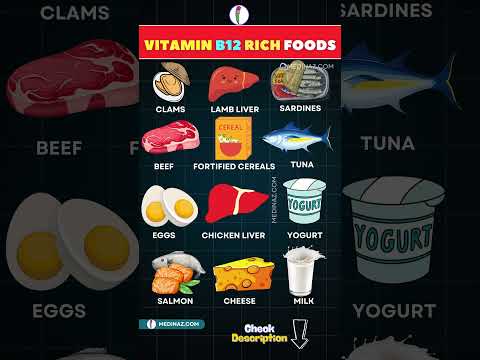
On the other hand, Vitamin B12 is vital for nerve function and the production of DNA and red blood cells. It plays a significant role in keeping your brain healthy too.
Sources of Vitamin B12 include:
For those following a plant-based diet, fortified foods or supplements may be necessary to meet needs.
While both vitamins are part of the B-vitamin family, their differences are significant. Vitamin B2 is more about energy and cellular health. In contrast, Vitamin B12 supports neurological functions and blood health.
It’s also essential to know that deficiency in these vitamins can lead to distinct health issues. A lack of Vitamin B2 might cause sore throat or inflammation of the lining of the mouth. Meanwhile, not getting enough Vitamin B12 could lead to anemia or nerve damage.
Overall, maintaining adequate levels of both vitamins contributes greatly to overall well-being. A varied diet typically covers these needs without much fuss.
Education is key when it comes to health decisions. It’s always best to discuss any concerns about vitamin intake with a healthcare provider if you’re unsure about your diet or specific needs.
In summary:
– B2 aids energy production .
– B12 supports nerve function & blood health .
Understanding these nuances allows us all to make more informed choices about our diets and overall wellness.
Unlocking the Secret Benefits of Vitamin B2 for Your Vision
Vitamin B2, also known as riboflavin, plays a vital role in our bodies. It’s part of the B-vitamin family and is water-soluble. That means your body doesn’t store it, so you need to get it through your diet.
One of the key benefits of vitamin B2 is its impact on vision. It helps maintain good eye health and contributes to preventing certain eye problems. Think of it as a helper that keeps your eyes working smoothly.
How does it do this? Well, vitamin B2 helps produce energy in your cells. This energy is essential for the proper functioning of all organs, including the eyes. When your eyes have enough energy, they can perform better.
Vitamin B2 also plays a role in preventing oxidative stress. Oxidative stress happens when there are too many free radicals in the body. These are unstable molecules that can damage cells, including those in the eyes. By combating oxidative stress, riboflavin can help protect against things like cataracts and macular degeneration.
Alongside its protective qualities, vitamin B2 is crucial for maintaining healthy skin and mucous membranes as well. This means it supports not just vision but overall health as well.
Here’s how you can easily include more vitamin B2 in your diet:
Remember that while vitamin B2 is important for eye health, it’s just one piece of the puzzle. A balanced diet rich in various nutrients supports overall well-being.
It’s also good to note that taking supplements may not be necessary if you consume a varied diet. Whole food sources often provide the best absorption and benefits without potential side effects from high doses.
In conclusion, vitamin B2 is essential for maintaining good vision and protecting against some eye diseases. Ensuring you get enough through your diet can be a simple yet effective way to support not just your eyesight but your overall health too!
Vitamin B2, also known as riboflavin, plays a crucial role in our overall health. It helps convert food into energy and is vital for maintaining healthy skin, eyes, and nerve functions. Understanding its benefits can empower us to make better dietary choices.
Riboflavin is part of the water-soluble B vitamin family. Our bodies don’t store it well, so we need to consume it regularly through our diet. Foods rich in vitamin B2 include dairy products, eggs, lean meats, green leafy vegetables, nuts, and enriched cereals.
One of the most significant benefits of riboflavin is its role in energy production. Just like a car needs fuel to operate efficiently, our bodies rely on riboflavin to convert carbohydrates into usable energy. Additionally, it’s involved in the metabolism of fats and proteins.
Riboflavin also acts as an antioxidant. In this role, it helps protect our cells from damage caused by free radicals—unstable molecules that can contribute to chronic diseases and aging. Think of riboflavin as a shield that defends our body against harm.
Moreover, adequate levels of vitamin B2 are crucial for eye health. There’s evidence suggesting that it may help prevent cataracts and other vision issues related to aging. Keeping your eyes protected feels just like ensuring your windows are clear for light; it makes a big difference!
Unfortunately, many people may not get enough riboflavin in their diets due to poor nutrition or certain lifestyle choices. This deficiency can lead to symptoms such as sore throats, cracking at the corners of the mouth (angular cheilitis), and even some skin disorders.
It’s essential to promote awareness about including sources of vitamin B2 in daily meals—especially for those who might be at risk of deficiency.
In summary, understanding vitamin B2’s benefits is not just about knowing what it does; it’s about making informed dietary choices that can significantly enhance well-being over time. Awareness leads to responsibility in nutrition—a path worth pursuing!