The information provided in this article is intended solely for general informational and educational purposes. It does not constitute medical advice, diagnosis or professional treatment, and should not be considered a substitute for consultation with a qualified doctor or other licensed healthcare professional. Any health-related decisions should be made in consultation with accredited medical professionals.
While efforts have been made to ensure the information is accurate and up to date, no guarantees are given—either express or implied—regarding its accuracy, completeness, currency or suitability. Use of this information is at your own discretion.
It is strongly recommended to consult official sources such as the NHS (National Health Service) or other recognised medical institutions before acting on any information contained on this website or article. Under no circumstances should professional medical advice be ignored or delayed due to content read here.
This content is of a general and informational nature only. It is not intended to replace individualised guidance from a healthcare professional or to establish any doctor-patient relationship. The publication of this information does not imply any professional responsibility, guarantee or obligation on the part of the author or this site.
Have you ever felt like no matter how much you hit the gym, those muscles just won’t grow? It’s frustrating, right? You’re not alone. Many of us put in the hard work, yet see minimal results. Sometimes, it can feel like there’s a missing puzzle piece bringing everything together.
The truth is, supporting muscle gain isn’t just about lifting weights. Nutrition plays a huge role! That’s where supplements come into play. They can help bridge gaps in our diets and provide the extra boost our bodies need.
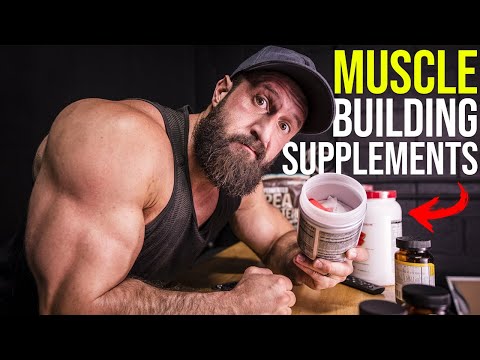
This guide dives into essential supplements that research suggests may aid muscle growth. We’ll explore what they are, how they work, and why they could be useful for you. Balance is key; it’s important to remember that these supplements shouldn’t replace whole foods or a solid workout routine.
However, this content does not replace medical advice. Health decisions are personal and should always involve consulting a healthcare professional before starting any new regimen or supplement.
Unlock Your Potential: Top Legal Supplements to Supercharge Muscle Growth
Understanding Muscle Growth and Supplements
You know when you hit the gym, and you want to build muscle? It’s all about that combination of exercise, diet, and sometimes, supplements. The thing is, supplements can play a supportive role. They’re not magic pills that will do the work for you.
What Are Legal Supplements?
Legal supplements are products you can use to support your health and fitness goals. They come in various forms like powders, pills, or drinks. Common examples include protein powders, creatine, and branched-chain amino acids (BCAAs).
Protein Powders
Let’s start with protein. Our muscles are made of protein! So when you lift weights, tiny tears occur in those muscle fibers. Then your body needs protein to repair them and grow stronger. Whey protein is one popular choice because it’s easily absorbed by the body.
Creatine
Creatine is another supplement that’s gotten quite a bit of attention. This compound helps produce energy during high-intensity workouts. Think of it like having an extra battery for your muscles when they need it most.
BCAAs
BCAAs include three essential amino acids: leucine, isoleucine, and valine. These are crucial because they’re directly involved in muscle recovery and growth. If you’re working out hard regularly, BCAAs might help reduce soreness afterward.
The Importance of Timing
A lot of people wonder when’s the best time to take these supplements? Generally speaking: pre-workout or post-workout timing can help maximize benefits. For example, consuming whey protein right after exercising provides those crucial nutrients for recovery.
Your Overall Diet Matters
Never forget—supplements should complement a balanced diet rich in whole foods! Lean meats, whole grains, fruits, and vegetables are fundamental sources for getting essential nutrients that support muscle growth too.
Are There Side Effects?
You might hear stories about side effects from some supplements; it’s true there can be risks if used improperly or in excess amounts. Creatine could lead to water retention; some people experience digestive issues from too much whey protein or BCAAs.
Caution with Use
If you’re considering adding any supplement into your routine—take time to research! Reading labels carefully and understanding what’s inside can’t be overstated.
- Avoid excessive dosages; stick to recommended amounts on packaging.
- If unsure about what works for you or have health conditions like kidney issues—consult a professional!
- Note how your body reacts; everybody’s different!
The Bottom Line
Soo look—the right supplements can definitely support your muscle-building journey but remember they aren’t replacements for hard work or a good diet! Listen to your body and always prioritize overall wellness over quick fixes.
Unlock Your Potential with the Ultimate Fuel for Growth and Power
Understanding Muscle Gain and Supplements
When we think about building muscle, it’s easy to focus just on workouts. But, y’know, nutrition plays a huge part too. Supplements can be a valuable addition to your diet, helping you reach your goals more effectively.
What are Essential Supplements?
Essential supplements are nutrients that can help support muscle growth and overall health. They aren’t a magic potion—more like extra fuel for your body’s engine. If you eat well balanced meals, you might get many of these naturally!
Protein Powder: The Classic
You’ve probably heard about protein powder before. It’s one of the most common supplements for muscle gain. Think of it as a quick way to get extra protein without having to cook a big meal.
- Whey Protein: This is derived from milk and is absorbed quickly by the body.
- Cassein: Also from milk but digests slowly, providing a longer-lasting protein source.
- Plant-Based Proteins: Great for those who prefer vegan options; includes sources like pea or brown rice.
Creatine: Energy Booster
Creamtine is another popular supplement you might come across. It’s like a power-up for your muscles during high-intensity workouts. Picture it as an energy reserve that gives you that little extra push when lifting weights or sprinting.
BCAAs: Muscle Builders
BCAAs stands for Branched-Chain Amino Acids. These specific amino acids are key players in muscle recovery and growth. Sometimes they’re taken before or after workouts to reduce soreness and help with recovery time.
The Importance of Omega-3s
You might wonder why omega-3 fatty acids show up here. Well, they’re not just good for heart health; they also help reduce inflammation in the body which can aid in recovery after intense workouts.
A Closer Look at Multivitamins
You may think multivitamins can’t hurt, right? They fill potential gaps in your nutrition and provide essential vitamins and minerals that support overall health—like Vitamin D or Magnesium—which play roles in muscle function and energy production.
Navigating the Supplement World
Picking out supplements can feel overwhelming sometimes. Not all products are created equal! Look at labels closely—check for quality ingredients, avoid unnecessary fillers, and try choose reputable brands based on reviews or recommendations from trusted sources.
The Bottom Line on Supplements
The thing is, while supplements can support muscle gain and overall fitness goals, they should complement—not replace—awell-balanced diet focused on whole foods.
Always remember that every body reacts differently; what works wonders for one person may not be as effective for another!
The Role of Exercise
No matter how good your nutrition is if you’re not putting in effort at the gym it will limit progress! A consistent workout routine tailored to muscle-building is crucial to getting results alongside any supplementation you consider adding.
Unlock Your Strength: Discover the Best Supplements for Serious Muscle Gains
Understanding Muscle Gain
Muscle gain is a process that involves more than just lifting weights. You need the right nutrition, rest, and sometimes, supplements. Supplements are like the cherry on top of your cake—they can help, but they’re not the whole deal.
Protein Powders
Look, protein is a building block for muscles. When you work out, tiny tears form in your muscle fibers. Protein helps repair those tears and build new muscle. Whey protein is super popular because it’s absorbed fast in your body.
- Types of Protein: You’ve got whey, casein, and plant-based options like pea or hemp.
- Lactose Intolerance? If dairy doesn’t sit well with you, try plant proteins.
Creaine
Creaine is kind of like fuel for your muscles during intense workouts. It helps produce ATP—think of ATP as energy currency for your muscles. More energy means you can lift heavier!
- How to Take It: Most people take it in powder form mixed with water or a shake.
- Saturation Phase: Some start with a ‘loading’ phase for quick results before switching to maintenance doses.
BCAAs (Branched-Chain Amino Acids)
BCAAs include three essential amino acids: leucine, isoleucine, and valine. They’re useful because they can help reduce muscle soreness after workouts and may even support recovery.
- Total Intake: Typically taken before or after workouts for best results.
- A Natural Source: Foods like chicken and eggs also provide BCAAs!
The Role of Creatine vs Protein
You might wonder which is more important—creatine or protein? Both serve unique purposes. Creatine boosts performance during quick bursts of activity while protein aids in recovery and growth afterward. It’s not about one being better; it’s about how they work together!
L-Glutamine
This amino acid plays a role in recovery too. After heavy training sessions, glutamine levels can drop significantly in your body. Supplementing might help restore those levels faster.
- Naturally Found In: Meats and beans are good sources!
- Timing Matters: Taking it post-workout may enhance recovery efforts.
Nuts & Bolts: Things to Consider
If you’re thinking about supplements as part of your routine—it’s wise to talk over any changes with someone knowledgeable about health or nutrition first! Also consider these factors:
- The quality of supplements varies; look for reputable brands.
- Your diet comes first; no supplement can replace good food habits!
- Your specific fitness goals should guide what you choose to take—there’s not one size fits all here!
A Word on Balance
The bottom line? Supplements can support muscle gains but shouldn’t be relied upon exclusively. Think of them as tools—not magic solutions! Fuel your body right with food and balanced training routines for the best outcome imaginable!
Essential Supplements for Muscle Gain: A Health Guide
When discussing muscle gain, many people think of protein shakes and gym routines. But supplements can play a role too. It’s important to understand which ones are actually beneficial.
First off, protein is key. Whey protein, for instance, is a popular choice because it digests quickly and helps with recovery after workouts. Think of it as refueling your engine after a long drive—it helps your muscles repair and grow.
Creatine is another supplement often highlighted. It’s naturally found in foods like meat and fish. Creatine boosts energy during high-intensity exercises, allowing you to push harder in the gym. More effort can mean better results!
BCAAs, or branched-chain amino acids, are interesting too. They help reduce muscle soreness and may improve recovery time. It’s like having a cushion when you hit the gym hard.
You might also come across omega-3 fatty acids in discussions around muscle gain. These fats are known for their anti-inflammatory properties—important for keeping your joints healthy when lifting weights.
Yet, it’s crucial to remember that supplements shouldn’t replace whole foods. Getting nutrients from fruits, vegetables, lean proteins, and whole grains should be the foundation of any diet aimed at muscle gain.
Also, check with a healthcare provider before starting any new supplement regimen—they’ll help ensure what you’re taking is safe and effective for you personally.
The bottom line? Supplements have their place but aren’t magic pills; they enhance what’s already being done through consistent training and solid nutrition.