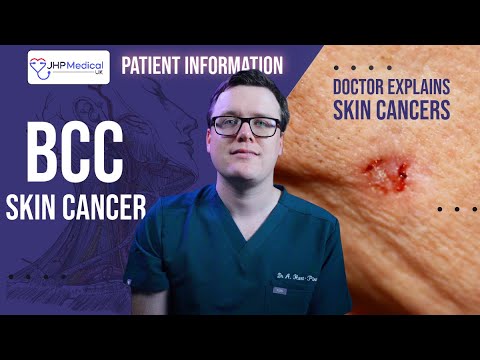
Basal Cell Carcinoma (BCC) is a skin cancer that often flies under the radar. Imagine your skin as a protective shield—when that shield starts to show signs of wear, it’s a signal to pay attention. BCC is the most common form of skin cancer, but it is also the least likely to spread to other parts of the body. Still, understanding this condition can help you catch it early and avoid further complications.
The signs of BCC can sometimes be subtle. You might notice changes in your skin, like a persistent sore that won’t heal or new growths that itch or bleed. Just as you’d check for leaks in your roof before they become big problems, checking your skin regularly can help you spot any irregularities early on.
When it comes to solutions, knowledge is power. Treatment options are available—ranging from topical medications to more extensive procedures—involving dermatologists or oncologists with expertise in skin health. It’s essential to understand these options and how they apply to your unique situation.
However, it’s important to remember: misinformation about BCC and skincare abounds on the internet. Always seek advice from qualified healthcare professionals and consult reputable sources for information. Be curious but cautious; empower yourself through reliable knowledge from different specialists and trustworthy media sources. The best defense begins with informed choices!
The information provided in this article is intended solely for general informational and educational purposes. It does not constitute medical advice, diagnosis or professional treatment, and should not be considered a substitute for consultation with a qualified doctor or other licensed healthcare professional. Any health-related decisions should be made in consultation with accredited medical professionals.
While efforts have been made to ensure the information is accurate and up to date, no guarantees are given—either express or implied—regarding its accuracy, completeness, currency or suitability. Use of this information is at your own discretion.
It is strongly recommended to consult official sources such as the NHS (National Health Service) or other recognised medical institutions before acting on any information contained on this website or article. Under no circumstances should professional medical advice be ignored or delayed due to content read here.
This content is of a general and informational nature only. It is not intended to replace individualised guidance from a healthcare professional or to establish any doctor-patient relationship. The publication of this information does not imply any professional responsibility, guarantee or obligation on the part of the author or this site.
Navigating the Signs and Symptoms of Basal Cell Carcinoma Stages
Basal cell carcinoma (BCC) is the most common form of skin cancer. It usually develops in areas exposed to the sun, like the face, ears, and neck. Understanding its signs and symptoms is important for early detection and effective treatment.
When it comes to **signs of BCC**, there are a few key things to look out for:
These symptoms can be subtle at first but can change over time. It’s similar to spotting a small leak in your roof; if you don’t address it, it may become a bigger issue.
As for the **stages of BCC**, they typically range from superficial (early) to invasive (later).
In the early stages, BCC might just appear as a new growth or an alteration in an existing mole. These changes can often be mistaken for harmless skin conditions.
If left untreated, BCC can grow deeper into the skin. At this point, you might notice more significant symptoms like tenderness or bleeding from the affected area.
It’s crucial to pay attention to any changes on your skin. Regular check-ups with a healthcare provider will help catch potential issues early on.
Myths about BCC abound. Many believe that it only happens to older people or those with fair skin. While it’s true these groups are at higher risk, anyone can develop BCC regardless of age or complexion.
It’s also important not to panic if you notice any concerning signs! Early-stage basal cell carcinoma is often highly treatable when caught promptly.
Remember: staying vigilant about your skin health is key. Use sunscreen daily and wear protective clothing when outdoors.
In summary, being aware of basal cell carcinoma’s signs and stages helps us make informed choices about our health. If you see something unusual on your skin, don’t hesitate to seek guidance from a healthcare provider for advice tailored just for you!
Discover the Most Effective Options for Battling Basal Cell Carcinoma
Basal cell carcinoma (BCC) is the most common type of skin cancer. It typically appears as a small, shiny bump or a sore that doesn’t heal. Understanding your options for treatment is key.
When faced with BCC, it’s important to know that there are effective ways to manage it. Here’s a look at some common methods:
Early detection plays an essential role in successful treatment of BCC. Regular skin checks can help catch changes early on.
Some risk factors increase your likelihood of developing BCC. These include fair skin, excessive sun exposure, and a history of sunburns.
There are also myths around treating BCC that need debunking:
– Not all skin cancers need aggressive treatments.
– Alternative remedies alone won’t effectively treat BCC.
It’s vital not to ignore any changes in your skin or delays in seeking treatment can have consequences.
Always consult with healthcare professionals who provide guidance tailored for your specific situation. Remember, staying informed empowers you to make responsible health decisions regarding basal cell carcinoma treatment options.
Essential clues to spot skin cancer early and protect your health
Skin cancer is a serious health concern, but catching it early can make a big difference. One common type is basal cell carcinoma (BCC). Understanding its signs helps you protect your health. Here are essential clues to look out for.
Know the Differences: BCC often appears as a small, shiny bump or a red, scaly patch on the skin. It’s usually found on areas exposed to the sun, like the face and arms.
The ABCDE Rule: This is a helpful guideline in spotting potential skin cancers:
Other Signs: Sometimes BCC can bleed, scab over, or itch. These symptoms might not seem serious but shouldn’t be ignored.
Sun Protection: Preventing skin cancer starts with sun safety. Wear sunscreen daily and reapply regularly. Use clothing or hats to shield your skin from UV rays.
Regular Checks: Make it a habit to examine your skin monthly. Monitor any changes and note them down if needed.
When to Seek Help: If you notice anything unusual that lasts more than two weeks, it’s wise to consult with someone who specializes in skin health.
Remember that early detection of basal cell carcinoma leads to better outcomes. Keep an eye out for these signs and don’t hesitate to get checked if something doesn’t feel right. Your health matters!
Understanding Basal Cell Carcinoma (BCC) is essential for promoting skin health. BCC is the most common form of skin cancer, primarily linked to sun exposure. Early detection plays a critical role in successful treatment.
Recognizing the signs of BCC can be life-saving. Watch for small, shiny bumps, red patches, or sores that don’t heal. These may resemble harmless blemishes but can signify something more serious. Like noticing a leak in your home, early awareness can prevent larger issues down the road.
Treatment options are generally very effective. They include surgical removal, topical creams, and in some cases, radiation therapy. Just like fixing that leak promptly saves your home from water damage, acting quickly with BCC reduces risks of complications.
Education on prevention is equally important. Regularly applying sunscreen and wearing protective clothing are the first lines of defense against BCC and other skin cancers. Think of it as an umbrella on a rainy day—protection is always better than cure.
My reflection emphasizes a connected approach: being aware of the signs and taking proactive steps can lead to better health outcomes. Encouraging open discussions about skin health fosters community awareness and support around this common yet often overlooked condition.