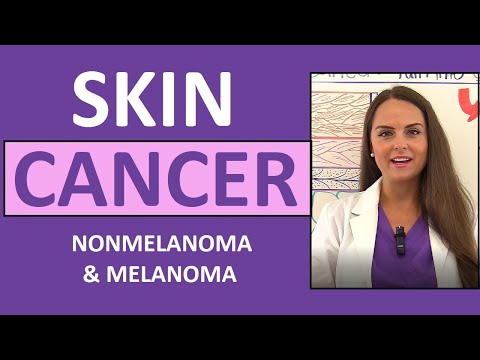
When it comes to skin health, basal cell carcinoma (BCC) may not be a term you’re familiar with. Think of BCC as the sneaky player on the field of skin cancers. It often starts small and might go unnoticed, but understanding its signs and solutions is essential for your well-being.
Imagine your skin as a protective barrier, much like a sturdy wall around your home. Sometimes, this wall can develop cracks – that’s where BCC comes into play. It usually appears as a small bump or sore that doesn’t heal quite right. Although it grows slowly and rarely spreads to other parts of the body, being aware of its symptoms can lead to earlier detection and treatment.
In this article, we’ll explore the telltale signs of BCC, effective treatment options, and preventive measures to keep your skin healthy. The better informed you are, the more empowered you’ll feel in making decisions about your health.
However, it’s crucial to approach information about basal cell carcinoma carefully. Relying solely on one source can lead to misunderstandings or misinformed decisions. Always consult various specialists—like dermatologists—and gather information from reputable sources to get a complete picture. Your health deserves comprehensive attention!
The information provided in this article is intended solely for general informational and educational purposes. It does not constitute medical advice, diagnosis or professional treatment, and should not be considered a substitute for consultation with a qualified doctor or other licensed healthcare professional. Any health-related decisions should be made in consultation with accredited medical professionals.
While efforts have been made to ensure the information is accurate and up to date, no guarantees are given—either express or implied—regarding its accuracy, completeness, currency or suitability. Use of this information is at your own discretion.
It is strongly recommended to consult official sources such as the NHS (National Health Service) or other recognised medical institutions before acting on any information contained on this website or article. Under no circumstances should professional medical advice be ignored or delayed due to content read here.
This content is of a general and informational nature only. It is not intended to replace individualised guidance from a healthcare professional or to establish any doctor-patient relationship. The publication of this information does not imply any professional responsibility, guarantee or obligation on the part of the author or this site.
Discover the best options for beating this common skin cancer.
Basal cell carcinoma (BCC) is the most common type of skin cancer. It often appears as a small, shiny bump or a red patch on sun-exposed areas like your face or neck. Understanding this condition can help you make informed decisions about your health.
When it comes to treatment options, there are several paths you might consider. Each method has its pros and cons, much like choosing between different routes on a map.
1. Surgical Excision: This involves cutting out the cancerous tissue along with some healthy skin around it. It’s like trimming away a weed from your garden, making sure it doesn’t grow back.
2. Mohs Surgery: A precise surgical technique that removes cancer layer by layer. After each layer is removed, it’s checked for cancer cells until no further cells are detected. Think of it as peeling an onion until you reach the core.
3. Cryotherapy: This uses extreme cold to freeze and destroy the abnormal cells. It’s similar to how frost can damage plants in winter; freezing can kill off unwanted skin growths.
4. Topical Medications: Creams or gels can be applied directly to the skin for superficial BCCs. They work like fertilizer for healthy plants while eradicating weeds at the same time.
5. Radiation Therapy: Involves using high-energy rays to target and kill cancer cells. This option might be considered for patients who cannot have surgery due to other health conditions.
It’s important to discuss these options with someone who can guide you through what might suit your specific case best.
Don’t forget that each person’s experience with basal cell carcinoma is unique. What works well for one person might not apply to another.
Always seek guidance if you’re unsure about symptoms or treatments available for your specific case.
Understanding the Different Stages of Basal Cell Carcinoma: A Guide to Your Health Journey
Basal cell carcinoma (BCC) is the most common type of skin cancer. It usually develops in areas exposed to sunlight. Understanding the stages of BCC can help you make informed decisions about your health.
The journey of BCC starts with the earliest stage. This is called the in situ stage. Here, cancer cells are present but haven’t invaded deeper tissues. Think of it as a warning sign before more serious problems arise.
As BCC progresses, it moves into the localized stage. At this point, cancer cells invade nearby tissues but haven’t spread to other parts of the body. It’s similar to a small fire contained in a room—it needs attention before it spreads further.
If left untreated, BCC can enter the advanced stage. Here, cancer may affect surrounding structures like nerves or bones. Imagine a tree whose roots begin breaking through concrete; it can cause damage if not addressed promptly.
Symptoms vary by stage and type. Common signs include:
It’s crucial to monitor any changes in your skin and consult with a healthcare professional if needed. Early detection greatly improves outcomes.
Treatment options depend on several factors such as size and location of BCC. They may include:
Understanding these stages empowers you in your health journey. Always ask questions and seek clarity from trusted sources when discussing treatment options.
Remember, knowledge is key! Stay informed about your skin health and don’t hesitate to reach out for help whenever you need it.
Essential Strategies for Managing Basal Cell Carcinoma Growth
Basal cell carcinoma (BCC) is a common skin cancer. It usually grows slowly and rarely spreads to other parts of the body. However, managing its growth is key to maintaining skin health.
Recognizing symptoms of BCC early is important. Look for new growths or changes in existing moles. BCC can appear as a shiny bump, a scaly patch, or even a sore that doesn’t heal.
Here are some essential strategies for managing BCC growth:
While these strategies are helpful, it’s still vital to seek guidance if you suspect you have BCC or if there are changes in your skin.
Treatment options include topical therapies, cryotherapy, and surgery depending on the size and location of the carcinoma. Discuss these options with a healthcare provider tailored to your situation.
Managing basal cell carcinoma effectively means being proactive about care and prevention. Remember that knowledge is empowering; stay informed about your skin health for the best outcomes!
Basal cell carcinoma (BCC) is the most common form of skin cancer, yet many people are unaware of its symptoms and treatment options. Understanding this condition is vital for early detection and effective management.
The primary symptom of BCC is a change in the skin. This can manifest as a small, shiny bump or a sore that doesn’t heal. These lesions often appear on sun-exposed areas, like the face, neck, and ears. Recognizing these signs early can significantly improve outcomes.
Treatment options for BCC are varied and largely depend on the size and location of the tumor. Common solutions include topical treatments for superficial BCCs, surgical removal for more invasive cases, and newer methods like photodynamic therapy. These interventions are usually effective with low recurrence rates.
Education about BCC should focus on prevention as well. Protecting your skin from excessive sun exposure through sunscreen and protective clothing can greatly reduce your risk. Regular skin checks can also aid in catching any unusual changes early.
In summary, enhancing public understanding of basal cell carcinoma promotes proactive health decisions. Awareness leads to better detection and timely intervention, ultimately improving patient outcomes and quality of life.