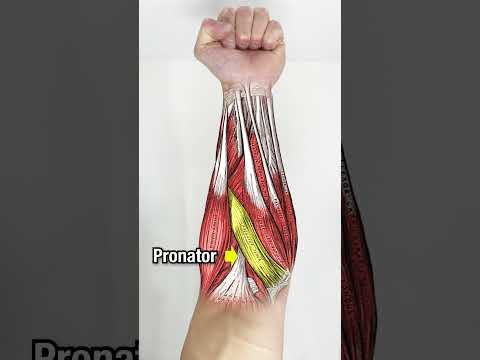
When we think about strength training, the focus often lands on larger muscles like the chest, back, or legs. But have you ever considered the importance of your forearms? These powerhouse muscles play a crucial role in grip strength, making everyday tasks easier and improving performance in sports and activities. Whether it’s lifting weights or opening a jar, strong forearms can make a big difference.
Understanding the anatomy of your forearms helps you appreciate their function. They consist of several muscles that control wrist movement and grip. The more you know about how they work, the better you can target them with effective exercises. Strengthening your forearms isn’t just about aesthetics; it enhances overall upper body strength and reduces the risk of injury.
There are many key exercises designed to improve forearm strength. Think of wrist curls for building muscle endurance or farmer’s walks for functional strength that translates into real-life situations. Each exercise serves a purpose and contributes to better performance in both sports and daily activities.
However, while strengthening your forearms may seem straightforward, it’s essential to approach this training thoughtfully. Always consult with fitness professionals or medical experts before starting any new exercise regimen. They can guide you based on your individual needs and prevent potential injuries. Remember that everyone’s body responds differently to exercise; what works for one person may not be suitable for another.
So let’s dive deeper into this topic! Embrace curiosity as we explore the anatomy of your forearms and discover key exercises that can lead to stronger, more functional arms.
The information provided in this article is intended solely for general informational and educational purposes. It does not constitute medical advice, diagnosis or professional treatment, and should not be considered a substitute for consultation with a qualified doctor or other licensed healthcare professional. Any health-related decisions should be made in consultation with accredited medical professionals.
While efforts have been made to ensure the information is accurate and up to date, no guarantees are given—either express or implied—regarding its accuracy, completeness, currency or suitability. Use of this information is at your own discretion.
It is strongly recommended to consult official sources such as the NHS (National Health Service) or other recognised medical institutions before acting on any information contained on this website or article. Under no circumstances should professional medical advice be ignored or delayed due to content read here.
This content is of a general and informational nature only. It is not intended to replace individualised guidance from a healthcare professional or to establish any doctor-patient relationship. The publication of this information does not imply any professional responsibility, guarantee or obligation on the part of the author or this site.
Unlock Your Grip Strength and Enhance Your Performance
Grip strength is often overlooked, yet it plays a crucial role in various activities. Whether you’re lifting weights, playing sports, or even doing daily chores, strong forearms can enhance your performance.
Understanding forearm anatomy helps appreciate grip strength better. The forearm contains muscles that control wrist and finger movements. These muscles work together to create the grip needed for different tasks.
To strengthen these muscles and improve grip strength, consider incorporating specific exercises into your routine. Here are some effective ones:
Incorporating variety keeps workouts fresh while engaging all parts of your forearms. Consider how you can mix things up for better results.
Don’t forget about rest! Muscles need recovery time to grow stronger, just like a rubber band needs time to stretch back after being pulled.
Be cautious about overtraining as well. If you experience pain or discomfort beyond usual muscle fatigue, give yourself a break and reassess your approach.
Lastly, remember that grip strength isn’t just about lifting heavy objects; it’s functional strength that benefits overall health too. A strong grip can indicate good muscle function and may even correlate with general fitness levels.
As you focus on building your forearm strength, keep an open mind about what works best for you personally. Everyone’s body responds differently to exercises.
So unlock your potential by focusing on those forearms! Stronger grips can lead to enhanced performance in many areas of life—both active and everyday tasks alike.
Unlock Your Grip Strength and Build Impressive Forearms Fast
Unlocking your grip strength is like finding the key to a treasure chest. The rewards can be substantial, especially when it comes to building impressive forearms. Let’s explore how understanding your forearm anatomy and incorporating key exercises can help.
First, let’s understand the anatomy. Your forearm consists of several muscles that run along two main bones: the radius and the ulna. These muscles are responsible for movements like gripping, lifting, and turning your wrist.
To strengthen these muscles, it’s important to do specific exercises. Here are some effective ones you could try:
Regularly practicing these exercises can improve not just grip strength but also overall arm stability.
Remember that consistency is key; little by little is how progress happens. Aim to work these into your routine about 2-3 times a week.
It’s also essential to listen to your body. If something feels off while exercising, take a break or modify the movement.
Moreover, proper nutrition plays an important role in muscle development too. A balanced diet with enough protein helps fuel muscle growth.
Building impressive forearms takes time and dedication—just like sculpting any other part of the body. Celebrate small wins along the way!
In conclusion, improving grip strength is not just beneficial for aesthetics; it enhances performance across various activities—including sports and daily tasks. Embrace this journey with an open mind!
Unlock the Secrets to Unstoppable Grip Strength and Impressive Size
Developing grip strength and forearm size is more than just about aesthetics. It’s fundamental for various daily activities and sports performance. A strong grip helps with lifting, carrying, and even simple tasks like opening jars.
To start, let’s understand the anatomy of your forearms. They consist of various muscles that control finger movements. The main ones involved in grip strength are the flexors and extensors. Think of them as the ropes in a tug-of-war game; they work together to pull and hold.
Strengthening these muscles requires targeted exercises. You can think of exercise as feeding those muscles to help them grow stronger. Here are some key exercises to get you started:
Consistency is key when training your forearms. Just like any muscle group, they need time to adapt to the stress you put on them during workouts.
Rest days are equally important; they allow muscles to recover and grow stronger after intense workouts. Overworking your muscles can lead to fatigue or injury.
Remember, it’s not just about how heavy you lift but also how well you do it! Focus on proper form during exercises—this helps prevent injuries.
Nutrition is another aspect that supports muscle growth. Eating enough protein provides the building blocks for muscle repair and growth after workouts.
Lastly, don’t let myths misguide you—some believe that certain supplements magically boost strength overnight or that only heavy weights matter for results—this isn’t true! Gradually increasing weight while focusing on technique is more effective over time.
By understanding these elements, you’re better equipped to build impressive forearm strength safely while enjoying the journey!
Strengthening your forearms is often overlooked in fitness routines, yet these muscles play a vital role in daily activities and overall upper body strength. Understanding the anatomy of the forearm helps us appreciate its significance. The forearm consists of two main bones, the radius and ulna, and is home to numerous muscles responsible for wrist and finger movement.
When discussing key exercises, it’s essential to focus on both flexion and extension movements. Strong forearms contribute to a better grip, which is crucial not only in weightlifting but also in sports like climbing or racquet sports.
Some effective exercises include wrist curls for flexion and reverse wrist curls for extension. Additionally, incorporating grip-strengthening exercises such as farmer’s walks can enhance functional strength.
By prioritizing forearm training alongside other muscle groups, individuals can improve their performance and reduce the risk of injuries. This holistic approach emphasizes that all parts of the body are interconnected; when we strengthen one area, it benefits our overall physical health. Always remember to use proper form to maximize benefits while minimizing risks.