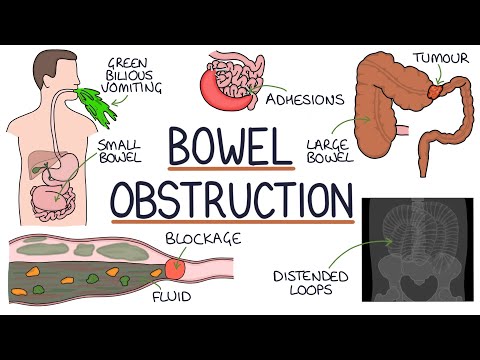
Bowel obstruction might sound like a complex medical term, but it’s something many people may experience in their lives. Imagine your intestines as a busy highway where food travels smoothly. When there’s an obstruction, it’s like a traffic jam that prevents the normal flow of traffic. This can lead to various problems, affecting overall health and well-being.
Understanding bowel obstruction means recognizing its causes, symptoms, and effects on the body. Why does this happen? It could be due to scar tissue, tumors, or even certain medications. Knowing what to look for can make all the difference in seeking timely help.
The effects of bowel obstruction can range from mild discomfort to severe complications. Without proper treatment, it can lead to serious health issues such as infection or tissue death. That’s why early detection is key; being aware of your body signals is important.
However, it’s crucial to approach information about bowel obstruction with care. There are many sources out there—some reliable and some not so much. Always consult with various specialists and explore different media for accurate insights. Misinformation can lead to confusion or panic; informed decisions require clarity. Let’s dive deeper into this topic together!
The information provided in this article is intended solely for general informational and educational purposes. It does not constitute medical advice, diagnosis or professional treatment, and should not be considered a substitute for consultation with a qualified doctor or other licensed healthcare professional. Any health-related decisions should be made in consultation with accredited medical professionals.
While efforts have been made to ensure the information is accurate and up to date, no guarantees are given—either express or implied—regarding its accuracy, completeness, currency or suitability. Use of this information is at your own discretion.
It is strongly recommended to consult official sources such as the NHS (National Health Service) or other recognised medical institutions before acting on any information contained on this website or article. Under no circumstances should professional medical advice be ignored or delayed due to content read here.
This content is of a general and informational nature only. It is not intended to replace individualised guidance from a healthcare professional or to establish any doctor-patient relationship. The publication of this information does not imply any professional responsibility, guarantee or obligation on the part of the author or this site.
Unraveling the Impact of Blocked Bowels on Your Health and Well-Being
Bowel obstruction can significantly impact your health and well-being. It occurs when something blocks the intestines, preventing food, fluid, and gas from moving through. This blockage can be partial or complete.
Understanding how bowel obstruction affects the body is crucial. When the intestine is blocked, it causes pressure to build up. This pressure leads to discomfort and pain that many describe as crampy or sharp.
Signs of a Blocked Bowel may include:
These symptoms may seem mild at first but can worsen over time. Ignoring them often leads to more serious issues.
The consequences of untreated bowel obstruction can be severe. It can result in tissue death in the intestines due to lack of blood flow. This can lead to infections that might spread throughout the body, a condition known as sepsis.
There are various reasons for bowel obstruction. Adhesions from previous surgeries are common culprits, but tumors and inflammatory diseases like Crohn’s disease also play a role.
It’s important to seek medical attention if you experience symptoms of a blocked bowel. Early intervention often prevents complications.
Sometimes people believe that dietary changes alone can fix this issue. While eating habits are essential for gut health, they won’t resolve an active blockage once it occurs.
Maintaining good bowel habits is always a smart move for overall health. Eating fiber-rich foods, staying hydrated, and exercising regularly help keep digestion running smoothly.
Remember, prevention includes being aware of your body’s signals and not ignoring persistent digestive issues. Your health matters! Educating yourself about conditions like bowel obstructions empowers you to make informed choices about your well-being.
Unlocking the Secrets to Understanding Bowel Obstruction and Its Management
Bowel obstruction is a condition where the intestines are blocked. This blockage can stop the normal flow of food, fluids, and gas. Understanding this condition can help you make informed health decisions.
There are two main types of bowel obstructions: mechanical and functional. Mechanical obstruction happens when something physically blocks the intestine, like tumors or scar tissue. Functional obstruction occurs when the muscles in the intestines don’t work properly.
Symptoms of bowel obstruction can vary. Common signs include:
It’s important to pay attention to these symptoms as they may require medical attention.
Diagnosis usually involves imaging tests, such as X-rays or CT scans. These tests help doctors see where the blockage is and what may be causing it.
Management of bowel obstruction depends on its cause and severity. In some cases, non-invasive treatments are enough. For example:
In more serious cases, surgery may be necessary. This is often done when there is a risk of damage to the intestine tissue.
Remember, early detection plays a crucial role in management outcomes. If you experience severe abdominal pain and other symptoms mentioned earlier, seeking medical help promptly is vital.
Lifestyle factors can also impact bowel health. Staying hydrated and eating a balanced diet rich in fiber helps keep your digestive system running smoothly.
Myths surrounding bowel health are common. Many believe that certain foods can “cleanse” or “detox” the intestines effectively on their own, but that’s not accurate for everyone.
Understanding bowel obstructions helps demystify this complex issue. By recognizing symptoms early and being aware of your body’s needs, you can take an active role in your health journey.
Always consult with healthcare professionals for personalized advice tailored to your specific situation and needs.
Understanding the Signs and Solutions for Bowel Obstruction Discomfort
Understanding bowel obstruction can greatly enhance your ability to recognize its signs and seek effective solutions. A bowel obstruction happens when something blocks the passage of food, liquid, or gas in the intestines. This blockage can be partial or complete, leading to uncomfortable symptoms.
Common signs of bowel obstruction include:
When you experience these symptoms, it’s crucial not to ignore them. Think of your intestines as a long tube carrying important cargo. If that tube gets blocked, pressure builds up and the cargo can’t move through.
The causes of bowel obstruction vary widely. They can stem from:
If you suspect a bowel obstruction, seeking medical help is vital. Often, healthcare professionals will perform tests such as imaging studies to confirm their diagnosis.
Treatment for bowel obstruction may involve different approaches based on its severity and cause. Sometimes patients need to avoid eating and drinking temporarily while doctors work on clearing the blockage. This is like giving your system a little break.
In other cases, medical interventions could include nasogastric tubes to relieve pressure by removing excess fluid or air. There are also surgical options to repair blockages if necessary.
Prevention plays an essential role too. Staying hydrated and maintaining a balanced diet rich in fiber helps keep your bowels functioning well.
Overall, understanding the signs of bowel obstruction allows you to respond quickly and receive appropriate treatment when needed. Always prioritize open communication with healthcare providers about your symptoms for best outcomes.
Bowel obstruction is a medical condition that occurs when there is a blockage in the intestines, preventing the normal passage of food, fluids, and gas. Understanding this condition is crucial because it can lead to serious health consequences if not addressed promptly.
First, it’s important to recognize the types of bowel obstruction. They can be classified as either mechanical or functional. Mechanical obstructions are due to physical blockages like tumors or adhesions, while functional obstructions involve the muscles of the intestine not working properly.
Symptoms often include abdominal pain, bloating, and constipation. In severe cases, you might also experience vomiting and inability to pass gas or stool. These signs should never be ignored; they require immediate medical attention.
When left untreated, bowel obstruction can lead to complications such as bowel perforation or necrosis (tissue death), which are life-threatening conditions. This emphasizes the need for awareness and understanding of risk factors such as previous abdominal surgeries or certain diseases like Crohn’s disease.
Prevention strategies may include maintaining a high-fiber diet, staying hydrated, and being mindful of any persistent gastrointestinal symptoms. Awareness can empower individuals to seek timely help before complications arise.
Engaging with healthcare professionals about digestive health is essential. Always remember that our bodies communicate through symptoms; listening carefully can help you make informed health decisions. Addressing misconceptions about bowel issues encourages open conversations which ultimately contribute to better health outcomes.