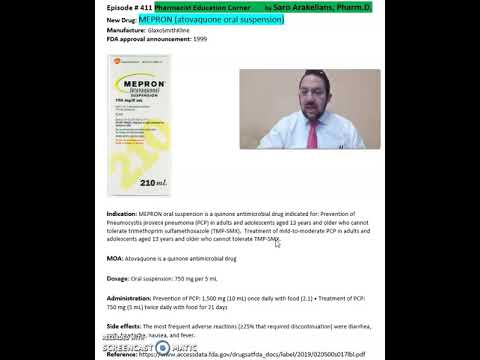
Atovaquone oral is a medication often used to treat and prevent certain infections, particularly those caused by parasites. Think of it as a specialized tool in the medical toolbox that targets specific invaders your body might face. It’s primarily known for its role in combating pneumonia caused by Pneumocystis jirovecii, especially in individuals with weakened immune systems.
Its effectiveness lies in its ability to hamper the growth of these pesky organisms. However, like any good tool, it comes with instructions and some important considerations. Understanding how Atovaquone works can empower you to make informed decisions about your health.
Uses: Atovaquone is commonly utilized for treating or preventing pneumocystis pneumonia (PCP). It can also help against other parasitic infections.
Side Effects: While many people tolerate Atovaquone well, some may experience side effects like nausea, diarrhea, or headache. Serious side effects are rarer but can occur.
Interactions: Atovaquone may interact with various medications. It’s crucial to inform your healthcare provider about all drugs you are taking to avoid complications.
It’s vital to remember that while Atovaquone can be effective, it’s not a one-size-fits-all solution. Always consult healthcare professionals when considering this medication and inform yourself through various reliable sources. Misinformation can lead to misunderstandings about treatment options and risks. Being proactive about your health by seeking knowledge from multiple specialists and trusted media ensures you make the best choices for your well-being.
The information provided in this article is intended solely for general informational and educational purposes. It does not constitute medical advice, diagnosis or professional treatment, and should not be considered a substitute for consultation with a qualified doctor or other licensed healthcare professional. Any health-related decisions should be made in consultation with accredited medical professionals.
While efforts have been made to ensure the information is accurate and up to date, no guarantees are given—either express or implied—regarding its accuracy, completeness, currency or suitability. Use of this information is at your own discretion.
It is strongly recommended to consult official sources such as the NHS (National Health Service) or other recognised medical institutions before acting on any information contained on this website or article. Under no circumstances should professional medical advice be ignored or delayed due to content read here.
This content is of a general and informational nature only. It is not intended to replace individualised guidance from a healthcare professional or to establish any doctor-patient relationship. The publication of this information does not imply any professional responsibility, guarantee or obligation on the part of the author or this site.
Understanding Potential Drug Interactions with Atovaquone
Atovaquone is a medication primarily used to treat certain types of infections, particularly those caused by parasites. It’s often prescribed for conditions like pneumonia caused by a specific type of fungus and malaria.
Like many medications, atovaquone can interact with other drugs. These interactions may change how effectively either medication works or increase the risk of side effects. Understanding these interactions is vital for safe use.
Potential Drug Interactions:
It’s important to talk about all the medications you are taking with your healthcare provider. This includes over-the-counter drugs, supplements, and herbal products.
Why Do Interactions Matter?
Think of your body like a well-tuned orchestra. Each instrument (or medication) has its role to play. If one instrument plays too loudly or clashing notes, it can disrupt the whole performance (your health).
Some interactions might not cause immediate noticeable problems but can lead to complications over time. Always be cautious—just because you feel fine doesn’t mean everything is working harmoniously.
Signs of Possible Interaction:
Watch for any unusual symptoms after starting or changing your medication regimen.
If you experience these or any unexpected symptoms, reach out to a healthcare professional promptly.
In conclusion, understanding potential drug interactions with atovaquone is essential for anyone taking this medicine. Always ensure you’re informed about what you’re putting into your body and keep an open communication line with your health team. Making informed choices leads to better health outcomes!
Uncovering the Unexpected: Navigating the Potential Risks of Atovaquone
Atovaquone is a medication primarily used to treat certain infections caused by parasites, such as Pneumocystis pneumonia. While it can be effective, it’s important to understand the potential risks associated with its use.
One key point to consider is how Atovaquone works. It interferes with the energy production of parasites, much like cutting off their power supply. This can help eliminate the infection but may also lead to side effects for some individuals.
Common side effects include nausea, headache, and diarrhea. While these symptoms are often mild, they can be uncomfortable and might require attention.
Some people experience more serious reactions. Although rare, liver problems can occur. Signs may include jaundice (yellowing of the skin or eyes) or unusual fatigue. If you notice any of these symptoms while taking Atovaquone, seeking medical advice is essential.
There are also drug interactions to keep in mind. Certain medications can affect how Atovaquone works in your body. For example, antacids containing aluminum or magnesium may reduce its effectiveness if taken around the same time.
Additionally, atovaquone may not be suitable for everyone. Individuals with certain health conditions or those who are pregnant or breastfeeding should discuss their options with a healthcare provider.
It’s helpful to stay informed about your medications and ask questions when needed. Understanding potential risks empowers you to make better decisions about your health.
Always remember that information on medications should complement discussions with healthcare professionals rather than replace them. Your unique health situation deserves personalized guidance tailored specifically for you.
Key points about Atovaquone:
Being educated helps you navigate your treatment options effectively and responsibly!
Exploring the Impact of Atovaquone on Kidney Health
Atovaquone is a medication primarily used to treat certain types of infections, particularly those caused by parasites like Pneumocystis pneumonia and some malaria strains. While it is effective for these purposes, understanding its impact on kidney health is crucial for anyone taking it.
The kidneys play a vital role in filtering waste from the blood and managing fluid levels in the body. Any medication can potentially affect their function, including atovaquone. It’s important to consider how this drug interacts with kidney health.
Some studies have indicated that atovaquone might have less impact on kidney function compared to other medications. However, individual responses can vary widely. People with pre-existing kidney issues may experience different effects than those with healthy kidneys.
When taking atovaquone,
. Regular blood tests can help assess how well the kidneys are working while on this medication. This is especially important if you already have conditions that affect your kidneys or if you are taking other drugs that could interact badly.
Symptoms of potential kidney issues can include changes in urine output, swelling in the legs or ankles, and fatigue. If any of these symptoms arise while using atovaquone, it’s essential to consult a health professional.
There are also myths surrounding medications like atovaquone. For instance, some people believe all medications will severely damage the kidneys regardless of their formulation or dosage. In reality, many factors influence this risk.
It’s also worth noting that dietary habits and hydration levels play a role in maintaining kidney health when on any medication. Drinking enough fluids helps support kidney function and flush out potential toxins.
In summary, atovaquone can be an effective treatment option but should be monitored carefully regarding its impact on kidney health. Stay informed about your own risks and communicate openly with healthcare providers about any concerns or side effects you experience while using this medication.
Atovaquone is an important medication primarily used to treat certain types of pneumonia caused by a parasite called Pneumocystis jirovecii, as well as for malaria. Understanding its uses and potential side effects is crucial for safe administration.
Uses: Atovaquone is effective in treating infections in immunocompromised individuals, particularly those with HIV/AIDS. It works by inhibiting the parasites’ ability to produce energy, ultimately leading to their death. This targeted action makes it valuable in treating both acute and chronic infections.
Side Effects: Like any medication, atovaquone can cause side effects. Common issues may include headache, nausea, vomiting, and diarrhea. These are generally mild but can be bothersome. More serious side effects are rare but can occur, highlighting the importance of monitoring during treatment.
Interactions: Atovaquone can interact with other drugs. For instance, medications that affect liver enzymes may alter how atovaquone works in your body. It’s essential for patients to inform healthcare providers about all medications they are taking to avoid complications.
In summary, while atovaquone offers significant benefits for specific infections, its use must be managed carefully due to potential side effects and interactions. Empowering patients with knowledge about their medications enhances safety and encourages adherence to treatment plans.