
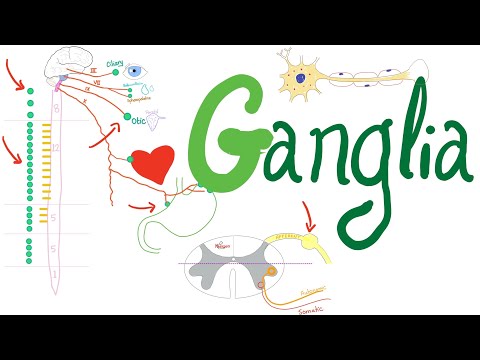
Ganglia are fascinating clusters of nerve cells that play a vital role in how our body communicates. Think of them as the relay stations of our nervous system, helping to transmit signals between the brain and different parts of the body. They help control a wide range of functions, from movement to sensation and even autonomic processes like heart rate.
Understanding ganglia can deepen your knowledge about how your body operates. These structures can be found in various forms, including sensory ganglia, which collect information from our senses, and autonomic ganglia, which manage involuntary functions. Each type has a specific job that is crucial for our overall health and functioning.
However, it’s important to approach information about ganglia with caution. While they are essential components of our nervous system, misconceptions can arise from unreliable sources. Always seek information from qualified specialists or reputable media to ensure you have an accurate understanding. Staying informed will empower you to make responsible health decisions regarding your nervous system and overall wellbeing.
The information provided in this article is intended solely for general informational and educational purposes. It does not constitute medical advice, diagnosis or professional treatment, and should not be considered a substitute for consultation with a qualified doctor or other licensed healthcare professional. Any health-related decisions should be made in consultation with accredited medical professionals.
While efforts have been made to ensure the information is accurate and up to date, no guarantees are given—either express or implied—regarding its accuracy, completeness, currency or suitability. Use of this information is at your own discretion.
It is strongly recommended to consult official sources such as the NHS (National Health Service) or other recognised medical institutions before acting on any information contained on this website or article. Under no circumstances should professional medical advice be ignored or delayed due to content read here.
This content is of a general and informational nature only. It is not intended to replace individualised guidance from a healthcare professional or to establish any doctor-patient relationship. The publication of this information does not imply any professional responsibility, guarantee or obligation on the part of the author or this site.
Unraveling the Complex Functions Behind Our Brain’s Wiring
Our brains are complex and fascinating organs. One key element in their function is something called ganglia. Understanding these structures can give us a clearer picture of how our brain wires itself.
Ganglia are clusters of nerve cell bodies. They play a vital role in processing information within the nervous system. Think of them like traffic lights at an intersection, directing signals to ensure everything runs smoothly.
There are different types of ganglia in the body. Some are linked to the sensory input we receive from our environment, like touch or temperature. Others help regulate movements, emotions, and even certain reflexes.
The connections between neurons in the ganglia help form neural pathways. It’s similar to building roads; the more frequently traveled a path is, the stronger it becomes.
Ganglia also play a part in habit formation and learning. When we repeat an action, these pathways get reinforced. Over time, they become automatic responses—like riding a bike or typing on a keyboard without looking.
Maintaining brain health is essential for keeping these functions working well. A balanced diet rich in nutrients supports brain structure and function. Activities that challenge your brain—like puzzles or learning new skills—can help keep those pathways flexible and strong.
It’s important to remember that not all changes in brain function are negative or harmful. Some might just indicate aging processes or adaptations based on our experiences.
Myths often surround brain health; one common belief is that you can’t grow new neurons after childhood. In fact, neurogenesis—the process of forming new neurons—can happen throughout life, especially with activities that stimulate learning.
In conclusion, understanding ganglia gives us insight into how our brains wire themselves for various tasks and functions. By caring for our brain through healthy habits and mental challenges, we support this incredible complexity that shapes who we are every day.
Unveiling the Hidden Functions of Nerve Clusters in the Body
Nerve clusters, known as ganglia, play vital roles in our body. These clusters are groups of nerve cell bodies found outside the brain and spinal cord. They act as relay points for information traveling through our nervous system.
Ganglia can be divided into two main types: sensory and autonomic. Sensory ganglia process information from our senses, like touch or pain. Autonomic ganglia manage involuntary functions, such as heart rate and digestion.
Think of sensory ganglia like a team of receptionists. They receive signals from the body, such as sensations from the skin, and send them to the brain for interpretation.
Meanwhile, autonomic ganglia work more like a traffic control center. They ensure that vital functions run smoothly without us having to think about them. This includes regulating heartbeats or digestive processes even when we’re asleep.
Ganglia also contribute to reflex actions. For example, if you touch something hot, sensory nerves signal your spinal cord directly through these ganglia. This prompts an immediate reaction to pull away before you feel pain—almost like an automatic response.
Maintaining healthy nerve function is crucial for overall well-being. Lifestyle choices can play a role here:
An interesting myth is that all nerve cells regenerate easily after injury. While some neuronal repair is possible in certain areas, many parts of the nervous system do not regenerate well at all.
If you’re experiencing persistent pain or unusual symptoms related to nerve function, it’s essential to seek advice from healthcare professionals who can guide you adequately.
Understanding ganglia’s functions helps us appreciate their role in our daily lives and underscores how interconnected our bodily systems truly are.
Exploring the Hidden Nerves That Control Movement and Sensation
Understanding how our body moves and senses the world involves a complex network of nerves and structures. One key player in this system is the ganglia. They are clusters of nerve cell bodies found throughout the body.
Ganglia act like relay stations. They help transmit signals between different parts of your nervous system. This is crucial for both movement and sensation. Think of them as traffic lights that direct information where it needs to go.
The nervous system has two main parts: the central nervous system (CNS) and the peripheral nervous system (PNS). The CNS includes the brain and spinal cord, while the PNS connects everything else. Ganglia are mostly part of the PNS.
There are two types of ganglia: sensory ganglia and autonomic ganglia. Sensory ganglia carry information from your senses to your CNS. Autonomic ganglia control functions like heart rate, digestion, and breathing without you having to think about them.
Energy flows through neurons, which communicate with each other at synapses. When a signal reaches a ganglion, it either passes through or changes direction depending on what’s needed at that moment. This coordination helps us respond quickly to our environment.
For example, when you touch something hot, sensory nerves send a signal to your spinal cord which processes it quickly through synapses in nearby ganglia. Your body immediately reacts by pulling away from the heat before you’re even consciously aware of it!
It’s important to care for your nervous system overall to support these functions. Regular exercise improves neural health by enhancing blood flow and promoting new neuron growth.
It’s also good to keep learning about how your body works! There are many myths about nerves that can lead to misunderstandings.
For instance, some believe that all nerve damage is permanent; that’s not necessarily true! The ability for nerves to heal depends on various factors including age and overall health.
By understanding more about ganglia and their role in movement and sensation, you empower yourself to make informed decisions about your health. Awareness leads to better choices in lifestyle habits that nurture this vital aspect of our biology!
Ganglia are small clusters of nerve cell bodies located throughout the nervous system, playing a critical role in transmitting signals between different parts of the body. They function as relay stations, processing and integrating information before sending it to other neurons. This makes them essential for everything from movement to sensation.
Understanding ganglia’s function helps us appreciate how the nervous system operates. For instance, if you think of the nervous system as a vast highway network, ganglia serve as traffic lights that manage the flow of information. When signals travel from one area of the body to another, ganglia ensure that these signals are appropriately directed.
Care for ganglia is more about maintaining overall nervous system health rather than targeting these structures directly. This includes practices like regular physical activity, balanced nutrition rich in omega-3 fatty acids, and managing stress.
Additionally, awareness of conditions affecting ganglia—such as neuropathies or changes associated with aging—can prompt early intervention and lifestyle adjustments that support nerve health.
In summary, while often overlooked, ganglia play a vital role in our body’s communication network. By taking an active interest in our nervous system health and understanding its complexities, we can make informed decisions to enhance our well-being.


