
The information provided in this article is intended solely for general informational and educational purposes. It does not constitute medical advice, diagnosis or professional treatment, and should not be considered a substitute for consultation with a qualified doctor or other licensed healthcare professional. Any health-related decisions should be made in consultation with accredited medical professionals.
While efforts have been made to ensure the information is accurate and up to date, no guarantees are given—either express or implied—regarding its accuracy, completeness, currency or suitability. Use of this information is at your own discretion.
It is strongly recommended to consult official sources such as the NHS (National Health Service) or other recognised medical institutions before acting on any information contained on this website or article. Under no circumstances should professional medical advice be ignored or delayed due to content read here.
This content is of a general and informational nature only. It is not intended to replace individualised guidance from a healthcare professional or to establish any doctor-patient relationship. The publication of this information does not imply any professional responsibility, guarantee or obligation on the part of the author or this site.
Have you ever felt an unsettling surge of sour liquid in your mouth and wondered, “What on earth is happening to me?” You’re not alone. Many people experience something called water brash, especially those grappling with GERD, or gastroesophageal reflux disease. It’s a common symptom but often not well understood.
Water brash occurs when your body produces an excess of saliva due to irritation in the esophagus from stomach acid. Imagine your body is sending out a distress signal, trying to flush away what doesn’t belong. It’s uncomfortable and can leave you feeling anxious about your health.
This article dives into what water brash really means, why it happens, and how it connects to GERD. Understanding this symptom can help you make sense of what’s going on in your body. Plus, it empowers you to have informed conversations with healthcare professionals about managing your symptoms.
Remember, while this information is helpful for understanding water brash better, it doesn’t replace medical advice. It’s crucial to talk with a healthcare provider if you’re experiencing persistent symptoms.
Understanding the Unpleasant Symptoms of GERD and How to Manage Them
Understanding GERD and Water Brash
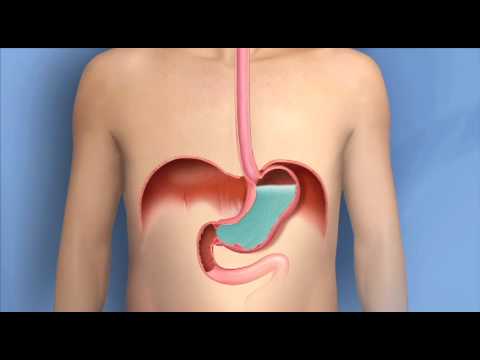
Gastroesophageal reflux disease, commonly known as GERD, happens when stomach acid flows back into the esophagus. This can cause various uncomfortable symptoms. One such symptom is water brash.
What is Water Brash?
Water brash is a term used to describe an increase in saliva production that often accompanies acid reflux. Picture it like this: your body’s way of trying to wash away the painful acidity that rises up from your stomach. It’s almost like your mouth is gearing up to fight off a fire.
Why Does It Happen?
When the esophagus gets irritated by stomach acid, the salivary glands kick into action. They produce more saliva in an attempt to neutralize the acid and protect the throat and mouth. Sometimes, this excess saliva can feel overwhelming or unpleasant.
Other Common Symptoms of GERD
- Heartburn: A burning sensation in the chest.
- Dysphagia: Difficulty swallowing.
- Coughing: A persistent cough, especially at night.
- Sour taste: A bitter or sour taste in your mouth.
Managing GERD Symptoms
You might be wondering how to manage these pesky symptoms, right? Lifestyle changes can help a lot! Simple things like altering what you eat or drink often make a difference. For instance, cutting back on spicy foods, caffeine, and alcohol may reduce flare-ups.
Dietary Considerations
Avoiding heavy meals close to bedtime can also ease symptoms. Think of it this way: if you have a big feast right before lying down, it’s more likely for stuff to come back up! Instead, try smaller portions throughout the day.
When Should You Seek Help?
If water brash or other GERD symptoms become frequent or severe enough to disrupt your daily life, it’s worth speaking with someone who knows their stuff about health issues—you know what I mean? Persistent discomfort may need further evaluation or treatment options.
The Bottom Line
While water brash isn’t fun to deal with, understanding what causes it can help you feel more in control. Remember that everyone’s body reacts differently, and finding relief may take some time and experimentation. Keep listening to your body!
Quick Relief Techniques for Managing Water Brash Discomfort
Understanding Water Brash
Water brash might sound like a fancy term, but it’s actually a pretty common symptom for people experiencing gastroesophageal reflux disease, or GERD. Essentially, it’s when your body produces an excess amount of saliva in response to stomach acid coming up into the esophagus.
You might be wondering why that happens. Imagine your throat getting irritated by the acid—your body reacts by creating more saliva to wash it away. So, while you might feel the discomfort in your chest or throat, it’s a natural response from your body.
Quick Relief Techniques
Here are some practical techniques that many find helpful when dealing with water brash discomfort.
- Sit Up Straight: Sometimes, just adjusting your posture can make a big difference. Sitting or standing up straight allows gravity to help keep stomach contents where they belong.
- Chew Gum: It might sound odd, but chewing sugar-free gum can stimulate saliva production and help wash down any irritating acids.
- Drink Water: Sipping on small amounts of water helps dilute the acid and can provide quick relief. Just be careful not to gulp too much at once!
- Avoid Triggers: Pay attention to what you eat and drink. Foods like spicy dishes or citrus fruits could worsen symptoms for some people.
Lifestyle Adjustments
If you find yourself dealing with water brash often, consider making some lifestyle changes. Eating smaller meals throughout the day instead of large ones can lessen the strain on your digestive system.
Also, try to avoid lying down right after eating. Giving yourself at least two to three hours between meals and bedtime can reduce nighttime symptoms significantly.
Mental Relaxation Techniques
This might sound surprising but stress can affect digestion too! Engaging in deep breathing exercises or light meditation could help ease symptoms related to anxiety and stress.”
Coping with Symptoms
If you notice that these techniques aren’t enough, or if discomfort persists frequently, consulting with a healthcare provider is really important. They can help figure out an effective plan tailored just for you.
Final Thoughts
The discomfort from water brash isn’t something anyone wants to deal with. Remember though that you’re not alone; many people experience this symptom as part of their GERD condition. Keeping track of what triggers it and trying out different relief techniques may lead you towards finding what works best for you!
Understanding the Causes and Effects of an Uncomfortable Condition
Understanding Water Brash: A Common GERD Symptom Explained
Water brash, sounds kinda strange, right? It’s a term describing an excess of saliva that happens because of gastroesophageal reflux disease (GERD). You may have heard of GERD as a condition where stomach acid frequently flows back into the esophagus—the tube connecting your mouth and stomach.
So, why does this happen? When acid from your stomach irritates the lining of the esophagus, your body tries to protect itself. One way it does this is by producing more saliva. Saliva acts like a natural buffer, helping to neutralize that pesky acid. It’s like when you spill something on your clothes; you grab a napkin to clean it up.
You might notice water brash occurring particularly after meals or when lying down. Imagine eating a big meal and then trying to relax on the couch—your body could respond with this surge of saliva! Sometimes it can feel uncomfortable or even embarrassing.
Common Causes
- Poor diet choices: Spicy foods, coffee, and alcohol can trigger GERD symptoms.
- Overeating: Eating large portions can put extra pressure on your stomach.
- Not enough sleep: Lying down flat when you sleep can encourage acid to creep up.
- Obesity: Excess weight around the abdomen can exert pressure on your stomach.
The Effects of Water Brash
If you’re experiencing water brash regularlly, it’s not just annoying; it can affect daily life. Some people find they avoid certain foods or activities just to keep episodes at bay. It can also lead to bad breath, which nobody wants!
Additionally, if left unchecked over time, chronic exposure to stomach acid could lead to more serious conditions such as esophagitis or Barrett’s esophagus—which is basically changes in cells lining the esophagus that may increase cancer risk.
Managing Water Brash
- Aim for smaller meals: Try eating smaller portions throughout the day rather than three big meals.
- Sit up after eating: Staying upright for at least two hours post-meal might help reduce symptoms.
- If possible elevate your head while sleeping: Using extra pillows may assist in preventing acid reflux while you snooze!
If you’re noticing persistent water brash along with other troubling symptoms like chest pain or difficulty swallowing—those warrant tending too. Consulting with someone who understands these issues is always wise because personal health should be taken seriously!
Your body communicates what’s happening inside through symptoms like water brash. Taking note and making some lifestyle adjustments could really help manage discomfort effectively without jumping straight to medications right away! Remember though every person is unique; solutions might vary from one person to another.
Understanding Water Brash: A Common GERD Symptom Explained
Water brash is an often-overlooked symptom associated with gastroesophageal reflux disease (GERD). It’s essentially a sudden increase in saliva that can occur after experiencing acid reflux. The body produces this extra saliva as a protective response to help neutralize stomach acid that backs up into the esophagus.
This symptom might catch people off guard, leading to confusion about its significance. Sometimes it feels like you have a sour taste in your mouth, or just an abnormal sensation in your throat. While water brash itself isn’t harmful, it signals that there’s underlying irritation in the lining of the esophagus.
Think of it this way: when your body senses danger—a burning feeling from acid—it tries to fight back by producing more saliva. This reaction makes sense biologically but can be really uncomfortable and bothersome for those experiencing it regularly.
The key to managing water brash involves addressing the root cause: GERD. Common strategies include making lifestyle changes, like adjusting diet and sleeping positions, and considering medications if necessary. It’s important to talk with a healthcare provider if you’re frequently noticing water brash or other GERD symptoms.
In summary, while annoying, recognizing water brash as part of GERD can help individuals understand their bodies better and take proactive steps toward management. If you’re unsure about anything—like treatment options—don’t hesitate to reach out for professional advice.

