
The information provided in this article is intended solely for general informational and educational purposes. It does not constitute medical advice, diagnosis or professional treatment, and should not be considered a substitute for consultation with a qualified doctor or other licensed healthcare professional. Any health-related decisions should be made in consultation with accredited medical professionals.
While efforts have been made to ensure the information is accurate and up to date, no guarantees are given—either express or implied—regarding its accuracy, completeness, currency or suitability. Use of this information is at your own discretion.
It is strongly recommended to consult official sources such as the NHS (National Health Service) or other recognised medical institutions before acting on any information contained on this website or article. Under no circumstances should professional medical advice be ignored or delayed due to content read here.
This content is of a general and informational nature only. It is not intended to replace individualised guidance from a healthcare professional or to establish any doctor-patient relationship. The publication of this information does not imply any professional responsibility, guarantee or obligation on the part of the author or this site.
Ever feel confused about fats? One moment you’re told they’re bad, and the next, they’re celebrated in health circles. It’s like a rollercoaster ride that leaves you dizzy, right?
The truth is, not all fats are created equal. Some fats are actually really good for us! They can support heart health and even help with weight management. Sounds interesting? Absolutely.
This article will break down the concept of healthy fats. We’ll explore eight high-fat foods that not only taste great but also offer wonderful benefits for your body.
Think of it as getting to know some delicious allies on your wellness journey. The cool part is, by choosing the right fats, you can make a positive impact on your overall health.
Just a quick heads-up: the information here won’t replace professional medical advice. It’s always best to chat with a healthcare professional before making changes to your diet or lifestyle.
So let’s dive in and uncover the truth about healthy fats together!
Unlocking the Secrets of Nutritious Fats for a Healthier You
Fats often get a bad rap, right? People tend to think all fats are unhealthy. But that’s actually not true! There are healthy fats that play an important role in our bodies. So, let’s break it down.
What Are Healthy Fats?
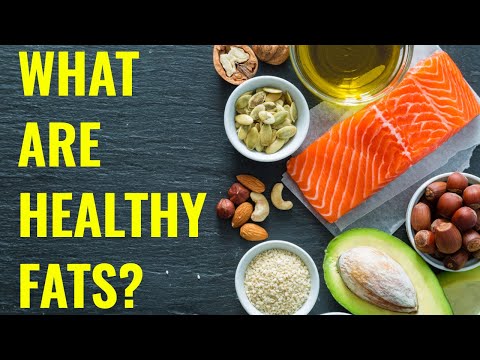
Healthy fats are typically unsaturated fats, which come from plants and fish. They help reduce bad cholesterol levels and can lower the risk of heart disease. Think avocados and olive oil, for example.
The Two Types of Fats
- Saturated Fats: Mostly found in animal products like butter and cheese. It’s best to consume them in moderation.
- Unsaturated Fats: This group includes monounsaturated and polyunsaturated fats. They’re found in foods like nuts, seeds, and fatty fish.
Why Do We Need Fat?
Your body needs fat to absorb some important vitamins: A, D, E, and K. These vitamins are fat-soluble meaning they need fat for absorption. Plus, fats provide energy—think of them as your body’s backup battery.
High-Fat Foods That Are Good for You
- Avocados: Loaded with healthy monounsaturated fat which is great for your heart.
- Nuts: Almonds or walnuts have omega-3 fatty acids—these can be really beneficial for brain health.
- Olive Oil: Known as a staple in the Mediterranean diet; it contains antioxidants.
- Salmons: Rich in omega-3s which are good for inflammation reduction.
- Coconut Oil: Offers medium-chain triglycerides (MCTs) that can provide quick energy.
- Dark Chocolate: Contains healthy fats too; just watch the sugar content!
- Soybeans: Great source of polyunsaturated fats including omega-6 fatty acids.
- Açaí Berries: Not just trendy but also a source of healthy lipids!
Myths About Fats
You may have heard that eating fat makes you gain weight or that it’s overall bad for you. While it’s true that consuming too many calories from any source can lead to weight gain, moderate consumption of healthy fats can actually support a balanced diet!
If you’re looking to change your diet, incorporating these nutritious fats might help maintain health without compromising on flavor or satisfaction—plus they keep you feeling full longer! Always remember: balance is key. Instead of cutting out all fatty foods, aim to replace unhealthy options with healthier ones when possible!
Discover Delicious Options That Boost Flavor and Nutrition
Understanding Healthy Fats
Hey there! So, you’re curious about healthy fats and how they boost flavor and nutrition, right? Let’s break it down. Fats often get a bad rap, but not all fats are created equal. Some can actually be really good for you!
What are Healthy Fats?
Healthy fats are typically unsaturated fats. They come from plants and fish. These types of fats can help improve cholesterol levels and support heart health. Think of them as the friendly kind of fat!
Why Include Healthy Fats?
If you’re trying to eat better, adding healthy fats can make meals tastier and more satisfying. Plus, they help your body absorb certain vitamins—like A, D, E, and K—making them important for overall health.
High-Fat Foods to Consider
- Avocados: Creamy and rich in monounsaturated fat; avocados add a luscious texture to salads or sandwiches.
- Nuts: Almonds or walnuts are great snacks; they’re packed with nutrients and beneficial oils.
- Olive Oil: Used in cooking or drizzling over dishes. It’s heart-healthy and enhances flavor.
- Coconut Oil: This one brings a unique taste to baking or frying; it has medium-chain triglycerides that some find energizing.
- Sardines: Loaded with omega-3 fatty acids; these tiny fish pack a powerful punch of nutrition.
- Dark Chocolate: Yes, you read that right! A little dark chocolate offers healthy fat alongside antioxidants.
- Cheese: In moderation, cheese can provide calcium along with tasty richness to meals.
- The Nut Butters: Peanut butter or almond butter can be wonderful on toast or in smoothies; just watch out for added sugars!
A Little Goes a Long Way
The key is moderation. Too much fat—even the healthy kind—can lead to excess calorie intake. Honestly, just a small amount can make meals feel indulgent without going overboard.
Culinary Ideas
You might wonder how to fit these into your diet. Try tossing some avocado in your morning smoothie for creaminess. Or drizzle olive oil on roasted veggies before serving! Nuts can add crunch to salads too—the options are endless!
Myths About Fats
A common myth is that all fats lead to weight gain or health problems. While it’s true that saturated fats should be limited—as they may raise cholesterol—it’s also important not to shun healthy options completely. Life’s about balance!
Your Personal Approach
If you’ve been hesitant about including fatty foods in your meals, maybe it’s time for a change! Reflect on how these delicious options could enhance both flavor and nutrition for you personally.
The journey towards healthier eating is unique for everyone—so explore what works best for you! With knowledge comes power over food choices that could enrich your lifestyle without sacrificing taste.
Discover Delicious Options That Fuel Your Body and Taste Amazing
Understanding Healthy Fats
You might be surprised to learn that not all fats are created equal. Some fats are actually good for you, while others can be harmful if eaten in excess. Healthy fats provide energy, support cell growth, and even help your body absorb certain vitamins. So, what’s the deal with healthy fats?
Healthy fats mainly fall into two categories: monounsaturated and polyunsaturated fats. Monounsaturated fats can help reduce bad cholesterol levels, which may lower your risk of heart disease. Think of foods like olive oil, avocados, and nuts.
Polyunsaturated fats include omega-3 and omega-6 fatty acids. Omega-3s are often found in fish like salmon and walnuts, while omega-6s are present in vegetable oils like sunflower oil. These essential fatty acids play a crucial role in brain function and may even help reduce inflammation.
Eight Delicious High-Fat Foods
- Avocados: Creamy and rich in flavor, avocados are packed with monounsaturated fats. They make a great addition to salads or on toast.
- Nuts: Almonds, walnuts, or pecans offer healthy fat along with protein and fiber. A small handful makes for a satisfying snack.
- Olive Oil: Considered one of the best cooking oils due to its high amount of monounsaturated fat. Use it in dressings or for sautéing veggies.
- Coconut Oil: Though it’s high in saturated fat, some studies suggest it may have health benefits when used sparingly.
- Fatty Fish: Salmon is known for its omega-3 fatty acids which are vital for heart health; grilled or baked, it’s delicious!
- Dark Chocolate: Yes! This sweet treat contains healthy fats that can benefit your heart when consumed in moderation.
- Semi-Hard Cheeses: Varieties like Gouda or cheddar provide calcium along with healthy fat; a bit goes a long way!
- Soybeans: Whether is edamame or tofu; these foods contain polyunsaturated fat that can help boost your overall nutrition.
The Importance of Balance
The thing is moderation is key when it comes to incorporating these foods into your diet. While they have great nutritional benefits, consuming too many calories can lead to weight gain over time. So enjoy them without overdoing it!
You might worry about saturated fat from meat products too—some studies link it to an increased risk of heart disease but the conversation around this subject continues evolving as new findings emerge.
Cultural Influences on Eating Habits
Your personal taste plays such an important role too! Different cultures celebrate different kinds of food that may emphasize various types of fats—like Mediterranean diets rich with olive oil or traditional Asian dishes including fish.
You know what? Incorporating flavorful high-fat options into your meals doesn’t only benefit your body; it also keeps things interesting at the dinner table! Mixing flavors from different cuisines could lead you to discover new favorites you never thought you’d enjoy!
A Word on Nutrition Labels
Reflection on Healthy Fats Explained: 8 High-Fat Foods for Wellness
Understanding healthy fats is crucial in promoting overall wellness. These fats, often labeled as “good,” can actually contribute to heart health and brain function.
First off, let’s clarify that not all fats are created equal. You know it’s like saying all sugars are bad—there’s a distinction between natural and processed sources. Healthy fats typically come from whole food sources.
For instance, foods like avocados, nuts, and olive oil are rich in monounsaturated fats. These can help lower bad cholesterol levels and reduce the risk of heart disease. A real-life example? Think about how adding a handful of walnuts to your oatmeal not only boosts flavor but also adds beneficial nutrients.
Then, we have omega-3 fatty acids found in fatty fish like salmon and flaxseeds. These nutrients play a vital role in brain health, making them essential for cognitive function.
The article emphasizes balance too. While incorporating these high-fat foods into one’s diet is beneficial, moderation is key. Even healthy fats can contribute excess calories if consumed in large amounts.
In summary, embracing healthy fats is about making informed choices that support your well-being without tipping into excess. Adopting a wider perspective on dietary fat can transform our approach to nutrition while fostering healthier lifestyles.

