Cholesterol often gets a bad rap, but understanding it can help you make better food choices. Think of cholesterol like traffic on a busy street: some is essential for the flow of life, while too much can lead to jams and blockages. Exploring what foods influence your cholesterol levels can empower you to enjoy delicious meals while keeping your heart healthy.
When it comes to high cholesterol foods, not all are created equal. Some items should be savored in moderation, while others can be embraced with joy. Balancing your intake can help promote good health without sacrificing flavor or satisfaction.
However, it’s important to proceed with caution. Not all sources of information are reliable, and what works for one person may not work for another. Always seek advice from various specialists and consult trustworthy media to decode the complexities of cholesterol in your diet. Your health deserves a well-rounded approach!
The information provided in this article is intended solely for general informational and educational purposes. It does not constitute medical advice, diagnosis or professional treatment, and should not be considered a substitute for consultation with a qualified doctor or other licensed healthcare professional. Any health-related decisions should be made in consultation with accredited medical professionals.
While efforts have been made to ensure the information is accurate and up to date, no guarantees are given—either express or implied—regarding its accuracy, completeness, currency or suitability. Use of this information is at your own discretion.
It is strongly recommended to consult official sources such as the NHS (National Health Service) or other recognised medical institutions before acting on any information contained on this website or article. Under no circumstances should professional medical advice be ignored or delayed due to content read here.
This content is of a general and informational nature only. It is not intended to replace individualised guidance from a healthcare professional or to establish any doctor-patient relationship. The publication of this information does not imply any professional responsibility, guarantee or obligation on the part of the author or this site.
Make Smart Choices for a Heart-Healthy Diet
Eating a heart-healthy diet is vital for maintaining good cholesterol levels. Our heart health is closely tied to what we put on our plates. Making smart choices can help us feel better and live longer.
When we talk about cholesterol, it’s important to know there are two types: LDL (bad) and HDL (good). High levels of LDL cholesterol can lead to heart disease. So, let’s explore which foods to enjoy and which to skip.
Foods to Enjoy:
Foods to Skip:
Remember that balance is key when planning meals. A heart-healthy diet doesn’t mean restrictions or deprivation; it’s about making wiser choices.
It’s crucial to listen to your body. Everybody is different—what works for one person might not work for another. Keeping track of how different foods affect you personally is a wise approach.
Educating ourselves about food choices empowers us. Knowledge helps us make informed decisions for long-term wellness.
Before making significant dietary changes or if you have specific concerns about cholesterol levels, it’s always best to consult a healthcare provider. Every step toward healthier eating counts!
Delicious Choices That Keep Your Heart in Mind
Eating for heart health doesn’t have to be boring. In fact, there are many delicious foods that can help manage cholesterol levels while still satisfying your taste buds. Let’s explore some heart-friendly choices together.
First, it’s important to understand the difference between good and bad cholesterol. Low-density lipoprotein (LDL) is often referred to as “bad” cholesterol because it can build up in arteries. On the other hand, high-density lipoprotein (HDL) is called “good” cholesterol since it helps remove LDL from the bloodstream.
To manage cholesterol effectively, focus on what you eat. Some foods can actually help improve your heart health.
Now, let’s talk about foods you might want to limit or skip:
Making small changes in your diet is a step toward better heart health. Instead of frying food, try baking or grilling instead.
It’s also a good idea to read nutrition labels carefully. Look for foods low in saturated fat and added sugars.
Remember that enjoying meals with family or friends makes a big difference too! Eating mindfully can enhance satisfaction without overeating.
In conclusion, make delicious choices while keeping your heart in mind by selecting nutrient-rich options and being aware of what’s best to avoid. With time and effort, you’ll find a balance that works for you!
Quick and Easy Ways to Lower Your Cholesterol Levels
High cholesterol can be a concern for many. It’s important to know ways to manage it. Here are some quick and easy tips to help lower your cholesterol levels.
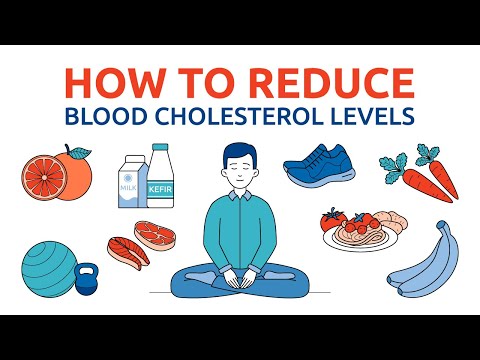
First, think about what you eat. Foods high in saturated fats, like fatty cuts of meat and full-fat dairy, can raise cholesterol. Instead, try lean meats, fish, and low-fat dairy options.
Next up are trans fats. These are often found in processed foods like pastries, cookies, and fried items. Check labels and avoid anything that says “partially hydrogenated oils.”
Adding more fruits and vegetables is vital too. They are full of fiber which helps lower cholesterol levels. Aim for a variety of colors on your plate!
Don’t forget whole grains! Foods like oats, barley, and whole-wheat bread help reduce bad cholesterol. Swap out white bread for whole grains for a simple upgrade.
Regular physical activity is also key. Even a brisk walk for 30 minutes most days can make a difference. Think of it as helping your heart get stronger.
Another tip is to maintain a healthy weight. Losing just a small amount of weight can help lower cholesterol levels significantly.
Also consider adding healthy fats to your diet. Things like avocados, nuts, seeds, and olive oil can be beneficial when used instead of unhealthy fats.
Stay hydrated too! Drinking enough water supports overall health and helps the body function well.
Finally, talk with your healthcare professional about any changes you want to make in your diet or lifestyle. They can provide guidance based on individual needs.
In summary:
Remember that small changes can lead to big improvements over time! Educate yourself about what you eat and make choices that support heart health without feeling overwhelmed.
Understanding high cholesterol foods is crucial for maintaining heart health. Cholesterol itself isn’t inherently bad; our bodies need it to function. However, too much of certain types can lead to serious health issues.
When we talk about “foods to skip,” we often refer to those high in saturated and trans fats. These fats can raise your LDL cholesterol, the “bad” type that clogs arteries. Common culprits include fried foods, processed snacks, and certain baked goods.
On the flip side, there are many foods you can enjoy that support healthy cholesterol levels. Foods rich in omega-3 fatty acids like salmon and walnuts are excellent choices. Similarly, fiber-rich foods such as oats, beans, and fruits help lower LDL levels.
Maintaining balance is key. Enjoying a variety of whole foods while being mindful of unhealthy options allows for a sustainable approach to eating. It’s important to remember that individual responses to different foods can vary—listening to your body and consulting with a professional when needed is always wise.
Ultimately, making informed decisions about what you eat leads to better overall health—and being aware of how some foods affect cholesterol can empower you on your wellness journey.