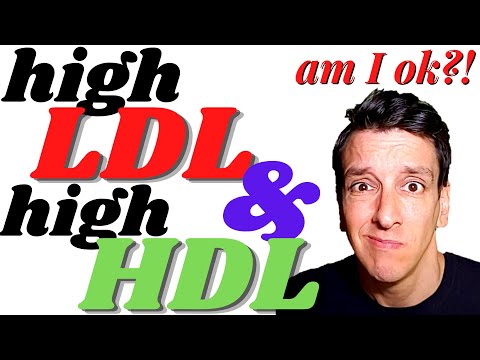
Cholesterol is often painted as a villain in the world of health, but there’s more to the story. Many of us have heard that high levels of “good” cholesterol, known as HDL (high-density lipoprotein), can protect our hearts. This idea feels reassuring, doesn’t it? However, emerging research suggests that having too much good cholesterol might not always be beneficial and could even signal hidden health risks.
Imagine HDL as a helpful garbage truck that cleans up excess bad cholesterol from your bloodstream. We generally think more trucks are better for the neighborhood. But what if those trucks are overloaded or malfunctioning? That’s where things get complicated. Just like in any system, balance is key.
It’s essential to realize that while HDL usually helps reduce heart disease risk, new studies indicate that extremely high levels might correlate with other health issues. Factors such as genetics and lifestyle can influence these dynamics significantly.
Before making any health decisions based solely on your cholesterol numbers, it’s crucial to seek a well-rounded perspective. Talk to healthcare professionals across various specialties and take time to explore reliable sources of information. Remember, informed choices come from understanding the full picture rather than focusing on individual numbers alone!
The information provided in this article is intended solely for general informational and educational purposes. It does not constitute medical advice, diagnosis or professional treatment, and should not be considered a substitute for consultation with a qualified doctor or other licensed healthcare professional. Any health-related decisions should be made in consultation with accredited medical professionals.
While efforts have been made to ensure the information is accurate and up to date, no guarantees are given—either express or implied—regarding its accuracy, completeness, currency or suitability. Use of this information is at your own discretion.
It is strongly recommended to consult official sources such as the NHS (National Health Service) or other recognised medical institutions before acting on any information contained on this website or article. Under no circumstances should professional medical advice be ignored or delayed due to content read here.
This content is of a general and informational nature only. It is not intended to replace individualised guidance from a healthcare professional or to establish any doctor-patient relationship. The publication of this information does not imply any professional responsibility, guarantee or obligation on the part of the author or this site.
Understanding the Impact of High HDL Cholesterol on Your Health
Cholesterol can often feel like a puzzle. We hear about it frequently, but many of us aren’t clear on its role in our health. Most people know about LDL cholesterol—the so-called “bad” cholesterol—but HDL cholesterol is often tagged as the “good” kind.
HDL stands for High-Density Lipoprotein. It helps remove other types of cholesterol from your bloodstream. Higher HDL levels are generally seen as a sign of good cardiovascular health. But can too much of a good thing actually be a problem?
Recent studies suggest there may be risks associated with very high levels of HDL cholesterol. While low HDL is linked to heart disease, high levels could also indicate underlying health issues or risk factors.
Imagine cholesterol as a delivery truck on the roads of your bloodstream. If too many trucks (high HDL) are on the road, and they’re not picking up trash (removing bad cholesterol) efficiently, they can create traffic jams leading to congestion.
A significant point to note is that everyone’s body responds differently to cholesterol levels based on genetics and lifestyle factors. So what’s deemed “high” for one person might not apply to another.
Regular testing and monitoring are key if you’re concerned about your cholesterol levels—both good and bad. Talk with healthcare providers about your specific situation for tailored advice.
In summary, while having high HDL is generally seen as positive, it’s essential to look at it within the larger picture of overall health. Balance is vital here; it’s like maintaining a healthy diet that’s neither too rich nor too lean.
Stay informed and curious! Understanding these nuances helps you make better decisions for your health and well-being every day.
Navigating Health Choices When Cholesterol Levels Rise
When it comes to cholesterol, many people focus on the numbers, especially the “bad” LDL cholesterol. But it’s important not to overlook “good” HDL cholesterol, which can also present unexpected challenges.
High levels of HDL cholesterol have traditionally been seen as a positive. It helps remove LDL cholesterol from your arteries. However, recent studies suggest that very high levels of HDL may indicate hidden risks.
Understanding Cholesterol Types
But how high is too high for HDL? Some research suggests that levels above 60 mg/dL may be associated with certain health issues in some individuals. This has stirred up a bit of confusion in health circles.
The Hidden Risks
- Very high HDL might not always protect against heart disease.
- In specific populations, excessive HDL could be linked to inflammation or other conditions.
- Factors like genetics can influence how your body processes these lipids.
If you find your HDL levels are higher than recommended, it’s a good idea to discuss this with someone who understands the nuances of lipid management.
Lifestyle Choices Matter
Adjusting lifestyle choices can impact your overall health and well-being:
Remember that everyone’s body is different. What works for one person might not work for another.
The Bottom Line
Monitoring your cholesterol levels is important for understanding your overall heart health. It’s not just about having “good” or “bad” numbers but rather understanding what those numbers mean in context.
Stay informed and curious about your health choices. Engage in discussions about any concerns with trusted individuals who can provide guidance tailored to your unique situation. Avoid jumping to conclusions based on numbers alone—context matters!
Understanding the Surprising Effects of Elevated HDL Levels on Your Health
When we think about cholesterol, we often hear about “good” and “bad” types. High-density lipoprotein (HDL) is known as the good cholesterol. Many believe that higher HDL levels are always beneficial, but recent findings show this may not be the whole picture.
Elevated HDL levels can be surprising. While low HDL is linked with heart disease, too much HDL might also pose risks. Research indicates that very high levels of HDL can be associated with certain health issues.
One of the main concerns is related to inflammation. High HDL levels could actually indicate an underlying problem rather than good health. For example, if your body is experiencing chronic inflammation, it may raise HDL as a response.
Another area of concern involves cardiovascular health. Some studies suggest that high HDL does not consistently correlate with a lower risk of heart disease. This challenges the traditional view around cholesterol management.
In essence, while having some level of elevated HDL can feel reassuring, it’s important to look at the full health picture. Relying solely on one number might mislead us about our actual health status.
It’s crucial to keep in mind that balance is key in everything related to health. Focus on maintaining a healthy lifestyle through a balanced diet and regular physical activity rather than obsessing over specific numbers from tests.
In summary, while high HDL has traditionally been considered good, elevated levels bring complexities worth understanding. A well-rounded approach focusing on overall wellness yields better insights into our heart and metabolic health rather than fixating on one aspect alone.
If you have questions or concerns about your cholesterol levels or what they mean for your health, it’s wise to seek guidance from a healthcare provider. This way, you can get personalized advice that’s appropriate for your individual situation.
The relationship between cholesterol and heart health is often misunderstood. When we talk about cholesterol, we typically refer to two main types: LDL (low-density lipoprotein) and HDL (high-density lipoprotein). LDL is often labeled as “bad” cholesterol because high levels can lead to plaque buildup in arteries, increasing the risk of heart disease. Conversely, HDL is considered “good” cholesterol, as it helps transport cholesterol away from the arteries and back to the liver for excretion.
However, recent discussions have emerged questioning whether high levels of HDL cholesterol truly equate to better heart health. It’s essential to recognize that while higher HDL levels are generally associated with a lower risk of cardiovascular disease, this isn’t the whole picture. Factors such as size and functionality of HDL particles play a crucial role.
Here are some key points to consider:
This complexity highlights that “good” or “bad” labels can oversimplify our understanding of health risks. It emphasizes the need for personalized assessments rather than relying only on general guidelines.
In conclusion, while maintaining healthy HDL levels is essential, it’s imperative not to overlook broader lifestyle choices and other risk factors for cardiovascular health. Always consult with healthcare professionals when evaluating your individual health needs.