The information provided in this article is intended solely for general informational and educational purposes. It does not constitute medical advice, diagnosis or professional treatment, and should not be considered a substitute for consultation with a qualified doctor or other licensed healthcare professional. Any health-related decisions should be made in consultation with accredited medical professionals.
While efforts have been made to ensure the information is accurate and up to date, no guarantees are given—either express or implied—regarding its accuracy, completeness, currency or suitability. Use of this information is at your own discretion.
It is strongly recommended to consult official sources such as the NHS (National Health Service) or other recognised medical institutions before acting on any information contained on this website or article. Under no circumstances should professional medical advice be ignored or delayed due to content read here.
This content is of a general and informational nature only. It is not intended to replace individualised guidance from a healthcare professional or to establish any doctor-patient relationship. The publication of this information does not imply any professional responsibility, guarantee or obligation on the part of the author or this site.
Have you ever felt that nagging pain in your back that just won’t go away? You know, the kind that makes lifting a grocery bag feel like a weightlifting competition? Many people experience this, and it might just be related to something called the latissimus dorsi. Sounds fancy, right?
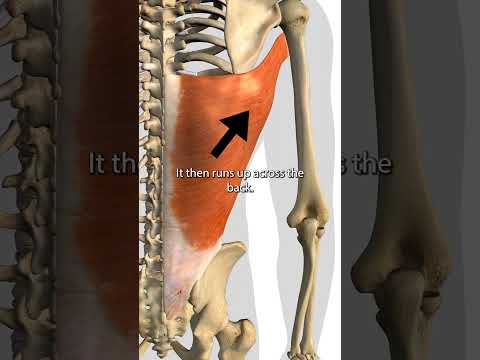
The thing is, this muscle runs from your lower back all the way to your upper arms. It plays a big role in how you move and function daily. So when it’s unhappy, you can really feel it.
This article digs into what causes latissimus dorsi pain and offers some care tips that you might find helpful. Whether it’s from workout strain or everyday activities, understanding this pain can help you get back to doing what you love.
But remember, everyone is different. This isn’t medical advice—it’s just some friendly information. For health decisions or persistent concerns, always consult a healthcare professional. Taking care of yourself should be your top priority!
Relieve Discomfort and Restore Mobility with Simple Techniques
Understanding Latissimus Dorsi Pain
Latissimus dorsi pain can be a real hassle, you know? The latissimus dorsi is a large muscle in your back, stretching from your mid-back to your lower back. It helps with things like lifting your arms and supporting your posture. When it’s tight or strained, it can lead to discomfort and limit movement.
Common Causes of Latissimus Dorsi Pain
There are a few reasons you might feel pain in this area. First off, overuse during activities like lifting weights or playing sports is pretty common. If you’re doing repetitive motions, this muscle can become fatigued.
Poor posture also plays a role. Slouching when sitting or standing puts extra stress on the lat muscles. This discomfort can build up over time if you’re not paying attention.
An injury from sudden movements, like twisting awkwardly during exercise or even just everyday activities, could also be the culprits. It’s amazing how a small misstep can lead to ongoing issues.
Simple Techniques for Relief
If you’re dealing with lat pain, there are some simple techniques that might help relieve discomfort. Stretching is key! Gentle stretches targeting the lats can create more flexibility and decrease tension.
- Try reaching both arms above your head and leaning to one side—hold for 15 seconds then switch sides.
- Lying on your back and pulling one knee toward your opposite shoulder is another good stretch; it opens up the back nicely!
You may also want to strengthen the area gradually with low-impact exercises like swimming or rowing which utilize those muscles without putting too much strain on them.
Caring for Your Muscles
Rest is essential too. Giving your body time to recover if you’ve been pushing yourself too hard helps prevent further injury. Applying heat or cold packs can also provide relief; heat relaxes tight muscles while cold helps reduce inflammation.
If you’re feeling really stuck or unsure about certain techniques, consulting with someone who knows about physical therapy could be beneficial; they often have unique insights tailored specifically for you.
A Word of Caution
It’s important to listen to your body while trying these techniques. If something doesn’t feel right, stop immediately! Every situation is unique so pay attention to what works best for you personally.
If pain persists, reaching out for professional advice makes sense—it’s always good practice when in doubt! Remember that caring for yourself not only aids recovery but also helps maintain overall mobility moving forward.
Uncovering the Hidden Triggers Behind Latissimus Dorsi Discomfort
Understanding Latissimus Dorsi Discomfort
The latissimus dorsi, or “lats,” is a large muscle that runs from your lower back up to your upper arms. It’s involved in many movements, like reaching or pulling. When we talk about discomfort in this area, it’s important to understand what causes it.
Common Causes of Latissimus Dorsi Pain
There are numerous reasons why someone might feel pain in their lats. Overuse is one big one. If you’ve been hitting the gym too hard or doing repetitive motions, you might strain this muscle. Think about how you feel after a long day of lifting boxes or even just working on your computer.
Injuries can also play a major role. A sudden pull or tear can lead to sharp pain that often makes it hard to move your arm freely. It’s kinda like when you stretch a rubber band too far and it snaps—suddenly things just don’t work as they should.
Another thing to consider is posture. You know how slouching over a desk can lead to back pain? Well, poor posture can also affect the lats leading to discomfort over time.
Less Obvious Triggers
Sometimes, the factors behind lat discomfort aren’t so clear cut. For instance, stress could be contributing indirectly. When you’re tense, you might unconsciously tighten certain muscles including your lats.
Nerve issues can be sneaky triggers too! Conditions like herniated discs may cause pain that radiates into the lat region without any direct damage to the muscle itself.
Caring for Your Lats
If you’re dealing with latissimus dorsi discomfort, there are some strategies that might help you find relief without needing formal treatment right away. Stretching can be really beneficial; simple stretches targeting those muscles help release tension.
Strengthening exercises are also an option but do them carefully! Light resistance training can boost muscle resilience and lessen the chances of injury down the line.
- Avoid heavy lifting when you’re experiencing pain—listen to your body!
- Pacing yourself during physical activities is key for preventing strain.
- Consider warm-up routines before engaging in intense workouts; it prepares your muscles for action!
The Bottom Line
If discomfort persists despite these efforts, then it’s smart to reach out for professional advice. Sometimes getting another person’s perspective helps clarify what’s really going on inside our bodies.
It’s always good practice though—whether with lats or other areas—to pay attention and treat them with care!
Understanding Recovery Time for Latissimus Dorsi Pain and What to Expect
Understanding Recovery Time for Latissimus Dorsi Pain
Hey there! If you’ve been dealing with latissimus dorsi pain, you’re probably wondering about the recovery timeline. First off, let’s break down what this muscle does. The latissimus dorsi is that large muscle in your back that helps you lift your arms and pull things towards you. When it gets sore or injured, it can be quite uncomfortable.
How Long Does It Take to Recover?
The recovery time really depends on the cause of your pain. If it’s a simple strain from overuse, like after a tough workout, you might feel better in a few days to a week. But if it’s more severe, like a tear or injury from an accident, it could take several weeks to even months.
This is similar to when you sprain an ankle; sometimes it’s just a matter of resting and icing it for quick relief. Other times, you might need physical therapy for full recovery.
Factors That Influence Recovery
- Severity of Injury: Minor strains heal faster than major tears.
- Your Age: Younger individuals often bounce back quicker than older adults.
- Your Overall Health: Good health means better healing capabilities.
- Treatment Plan: Proper care can speed things up substantially.
What Can You Expect During Recovery?
If you’re on the mend, don’t be surprised by some ups and downs. There may be good days where you feel almost normal and tougher days where pain flares up again. Keeping track of your symptoms can be helpful.
You might also have to modify activities during this time — think of how you’d adjust if nursing a sore knee by avoiding jogging for instance. Light stretching and gentle movement can help maintain mobility but don’t push yourself too hard!
The Role of Rehabilitation
Sometimes working with physical therapists during recovery is really beneficial. They can teach exercises tailored specifically for strengthening the latissimus dorsi without straining it further; kind of like having a personal coach guiding you through your comeback.
Pain Management Strategies
- Icing: Applying ice packs can help reduce swelling and soothe discomfort.
- Pain Relief Medications: Over-the-counter options can provide temporary relief but consult someone before using them regularly.
- Gentle Stretching & Strengthening: Once advised by a professional, gentle stretches will keep things loose as they heal up.
An Important Note About Expectations
No two people recover at exactly the same rate — it’s important to listen to your body and not rush back into high-intensity activities too soon! Allowing ample time for healing does wonders in preventing future injuries; much like allowing an art project to dry thoroughly before adding more detail!
If you’re concerned about your progress or experiencing significant pain that doesn’t improve over time consider seeking guidance from health professionals who understand these specific issues directly related to muscles and injuries.” Remember patience is key here!
Understanding Latissimus Dorsi Pain: Causes and Care Tips
The latissimus dorsi is a large muscle in the back that helps with various movements, like pulling or lifting. When this muscle gets strained or injured, it can cause significant pain, limiting your daily activities. There are several reasons why someone might experience pain in this area.
Common causes include overuse from repetitive activities, sudden heavy lifting, or even poor posture. Athletes and people with physically demanding jobs are often more susceptible to latissimus dorsi injuries. But even someone who’s mostly sedentary can experience tension here due to lifestyle factors.
Treatment often starts with rest and ice to reduce inflammation. Gradually introducing stretching and strengthening exercises can help too. Physical therapy may provide tailored guidance to avoid future issues.
Besides physical care, considering ergonomic practices in daily life is crucial. Simple adjustments—like ensuring your workstation is set up properly—can significantly lessen strain on this muscle.
If the pain persists or worsens despite home care, consulting a healthcare professional becomes important for further evaluation. It’s essential to listen to your body; after all, prevention plays a huge role in managing muscle health.