The information provided in this article is intended solely for general informational and educational purposes. It does not constitute medical advice, diagnosis or professional treatment, and should not be considered a substitute for consultation with a qualified doctor or other licensed healthcare professional. Any health-related decisions should be made in consultation with accredited medical professionals.
While efforts have been made to ensure the information is accurate and up to date, no guarantees are given—either express or implied—regarding its accuracy, completeness, currency or suitability. Use of this information is at your own discretion.
It is strongly recommended to consult official sources such as the NHS (National Health Service) or other recognised medical institutions before acting on any information contained on this website or article. Under no circumstances should professional medical advice be ignored or delayed due to content read here.
This content is of a general and informational nature only. It is not intended to replace individualised guidance from a healthcare professional or to establish any doctor-patient relationship. The publication of this information does not imply any professional responsibility, guarantee or obligation on the part of the author or this site.
Have you ever tried to reach for something overhead and felt a sharp pain in your shoulder? You’re not alone. Many people experience discomfort in their shoulders, and one common culprit is rotator cuff tendinitis.
This condition occurs when the tendons in the shoulder become irritated or inflamed. It can make simple tasks, like lifting your arm or even sleeping comfortably, a challenge. Frustrating, right?
In this article, we’ll dive into the symptoms of rotator cuff tendinitis and discuss practical care options that can help relieve pain and improve mobility. Understanding this condition is important since it can affect anyone, whether you’re an athlete or simply enjoy everyday activities.
You might feel overwhelmed with information out there, but don’t worry—we’ll keep things simple and relatable. Remember, what you’ll read here doesn’t replace medical advice; it’s always smart to consult a healthcare professional for personalized care.
So let’s break it down together and learn more about how to manage shoulder discomfort effectively.
Strengthen Your Shoulders and Alleviate Pain with Simple Movements
Understanding Rotator Cuff Tendinitis
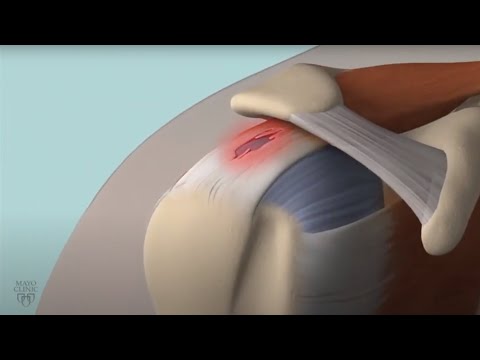
Rotator cuff tendinitis is a common shoulder issue. It happens when the tendons in the shoulder, which connect muscles to bones, get irritated or inflamed. You know, this can be really annoying because it often leads to pain and limited movement.
What Are The Symptoms?
People with rotator cuff tendinitis usually feel pain in the outer part of their shoulder. Sometimes it might hurt more when you raise your arm or reach overhead. You might also notice some weakness in your arm. Honestly, it might feel like there’s a nagging ache that just won’t go away.
Why Do We Get It?
The thing is, rotator cuff tendinitis often occurs due to overuse. If you’re doing repetitive activities, like throwing a ball or lifting heavy objects repeatedly, your shoulder can just wear down over time. Aging is another factor; as we get older, tissues wear out and do not heal as quickly.
Simple Movements to Strengthen Shoulders
You may wonder how to help relieve that discomfort without too much hassle. Simple movements can assist in strengthening those important muscles around your shoulder joint.
Stretching
Gentle stretching exercises can improve flexibility and reduce pain. For instance, try holding your arm across your body and pulling it gently with the other arm. Hold this stretch for 15-30 seconds several times each day.
Strengthening Exercises
- Pendulum Swing: Lean forward slightly and let your arm hang down. Gently swing it back and forth like a pendulum for a minute or so.
- Crossover Arm Stretch: This one involves reaching across yourself with one arm while holding onto your elbow with the other hand—hold this for at least 20 seconds.
- Shrugs: Simply lift your shoulders up towards your ears then let them drop back down ten times.
The Importance of Posture
Your posture plays a role too! If you’re slouching or hunching over a desk all day, that puts extra pressure on your shoulders. Being aware of how you sit and stand can really make a difference in how you feel overall!
Taking Care of Yourself
This might sound basic but rest is key when dealing with shoulder pain from rotator cuff issues! Allow some time for recovery if you’ve been feeling discomfort after intense activity. Ice packs can help soothe inflammation too—just remember to wrap them in cloth before applying!
If you ever feel unsure about which movements are best for you or if exercises worsen the pain, it’s wise to seek advice from someone knowledgeable about physical health—even though I’m not offering medical recommendations here!
Cautions and When To Seek Help
If you’re experiencing severe pain that doesn’t improve or if daily activities become difficult due to this discomfort, talking to someone who understands these issues is important.
Listen to what your body says—sometimes it’s better not pushing through that nagging ache.
Understanding Healing and Rebuilding Strength After Injury
So, you’ve hurt your shoulder and you’re dealing with rotator cuff tendinitis. That can be pretty frustrating. Let’s break down what that means, how it feels, and some ways to help yourself heal.
What is Rotator Cuff Tendinitis?
The rotator cuff is a group of muscles and tendons in your shoulder. They help you lift your arm and keep the shoulder stable. When these tendons get irritated or inflamed, that’s what we call rotator cuff tendinitis.
You might notice pain when lifting your arm or reaching behind you. It can feel achy or sharp, depending on how bad the inflammation is. And honestly, it can disrupt everyday activities like getting dressed or sleeping comfortably.
Understanding Healing
Healing is a process. Think of it like fixing a crack in the wall; it takes time and care to make sure it doesn’t come back. When you injure your rotator cuff, the body starts sending extra blood flow to that area for repairs.
This can lead to swelling—like when you sprain an ankle—and often some bruising or soreness follows. Resting the shoulder is crucial during this phase because using it too much could delay healing.
Rebuilding Strength
Once the initial pain eases up, it’s time to start rebuilding strength. Gentle exercises are key here; they help regain flexibility without straining those tender areas again.
- Pendulum swings: Let your arm hang down and gently swing it in small circles.
- Coding stretches: Slowly stretch your arms across your chest.
- Isometric exercises: Squeeze a towel between both hands without moving your arms—this helps strengthen muscles without heavy lifting.
The thing is, everyone heals at their pace, so listen to what your body tells you. If something hurts more than usual while doing an exercise, it’s okay to stop or modify it even more!
The Role of Physical Therapy
If you’re struggling on your own, that’s where physical therapy can come into play. A therapist will work with you to create a personalized plan focusing on recovery—helping ensure that you don’t rush back into activities before you’re ready.
Your Mindset Matters
Coping with an injury isn’t just physical; it’s mental too! Staying positive can foster motivation throughout healing process.. Connecting with others who are going through similar experiences also offers encouragement during clingy days when progress feels slow.
Caring for Yourself During Recovery
Nourishing yourself plays an important role as well! Eating well-balanced meals provides necessary nutrients for rebuilding tissues. Staying hydrated helps too! Think about drinking water regularly throughout day.
If heeling seems difficult sometimes remember: patience plus consistency often pays off over time,. No two recoveries look alike but by taking thoughtful steps forward you’ll likelihood find yourself feeling stronger once again!
Understanding Where Rotator Cuff Tendinitis Strikes: A Guide to Pain Locations
Understanding Rotator Cuff Tendinitis: Pain Locations
Rotator cuff tendinitis can be a real pain—literally. It commonly affects the shoulder, making everyday activities challenging. But where exactly does it hurt? Let’s break it down.
What is the Rotator Cuff?
The rotator cuff is a group of four muscles and their tendons that help lift and rotate your arm. Think of it as a support system for your shoulder joint. So when we talk about tendinitis, we’re talking about inflammation in these important structures.
Main Pain Areas
- Shoulder Front: Many people feel pain at the front of the shoulder. It might feel like a deep ache or sharp pain, especially when reaching overhead.
- Side of the Shoulder: You might notice discomfort on the side too. This can happen when you’re lifting something or even just raising your arm.
- Pain Down the Arm: Sometimes, pain radiates down towards your upper arm, almost like a shooting sensation. This is often due to nerve involvement.
- Night Pain: A lot of folks experience increased pain at night, especially if they sleep on that side. It can really disrupt sleep!
Catching Symptoms Early
If you notice persistent pain or limited range of motion in these areas, it’s worth keeping tabs on how often it happens. Early recognition can make all the difference in managing symptoms effectively.
When to Seek Help
If you have constant pain that doesn’t get better with rest or home care—like ice or over-the-counter meds—it might be time to reach out for professional advice. Sometimes physical therapy or other supportive treatments can really help get you back on track.
The Role of Activity
Your daily routines matter! Activities, especially ones involving repetitive overhead motions—like swimming or painting—can flare up symptoms quite easily. So take note if certain movements trigger discomfort.
A Summary To Remember
Pain from rotator cuff tendinitis usually hits in specific spots: front and side of the shoulder and sometimes down your arm too. Staying aware of your body helps manage those pesky symptoms early on, giving you a better chance at reducing discomfort as soon as possible.
Rotator cuff tendinitis can be a frustrating condition for many, particularly those who engage in repetitive overhead activities. The rotator cuff, which is a group of muscles and tendons that stabilize the shoulder, plays a crucial role in arm movement. When these tendons become irritated or inflamed, it leads to pain and reduced mobility.
Symptoms often include discomfort when lifting the arm, especially overhead. Some people describe pain that radiates down the arm or worsens at night. You know, it can be quite limiting for daily tasks like reaching for something on a shelf or even sleeping comfortably.
Caring for rotator cuff tendinitis usually involves a combination of rest, ice application to reduce inflammation, and physical therapy to strengthen surrounding muscles. In some cases, anti-inflammatory medications might also help ease the pain.
Honestly, understanding your body’s signals is vital. Early intervention can lead to better outcomes and potentially avoid more severe conditions like tears in the tendons. So if you recognize these symptoms in yourself or someone else, consulting with a healthcare professional can provide tailored advice and treatment options.
This reflection highlights how common issues like rotator cuff tendinitis deserve attention not just for physical health but also for maintaining an active lifestyle.