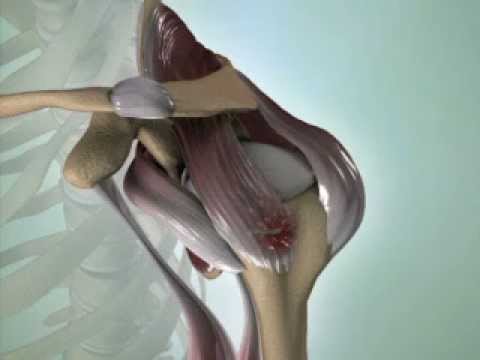
Rotator cuff pain can feel like a pesky reminder of how much we rely on our shoulders. Whether it’s lifting groceries or reaching for the top shelf, our shoulder joints play a crucial role in daily activities. But when pain strikes, it can become overwhelming and frustrating. Understanding this common condition is the first step toward relief and recovery.
The rotator cuff is a group of muscles and tendons that keep your shoulder stable and allow for a wide range of motion. When something goes wrong—like an injury or inflammation—pain can arise, affecting both movement and quality of life. It’s essential to recognize the symptoms, learn about potential causes, and explore care options to get back on track.
However, it’s vital to remember that each shoulder is unique. What works for one person may not be suitable for another. Engaging with various specialists—from physical therapists to orthopedic doctors—and consulting multiple sources of information can provide you with a comprehensive view of your situation. This approach ensures you make informed decisions about your health based on well-rounded insights rather than relying solely on one perspective.
Curiosity is your ally in this journey! Let’s delve deeper together into the world of rotator cuff pain so you can better understand your body and reclaim your shoulder’s strength and mobility.
The information provided in this article is intended solely for general informational and educational purposes. It does not constitute medical advice, diagnosis or professional treatment, and should not be considered a substitute for consultation with a qualified doctor or other licensed healthcare professional. Any health-related decisions should be made in consultation with accredited medical professionals.
While efforts have been made to ensure the information is accurate and up to date, no guarantees are given—either express or implied—regarding its accuracy, completeness, currency or suitability. Use of this information is at your own discretion.
It is strongly recommended to consult official sources such as the NHS (National Health Service) or other recognised medical institutions before acting on any information contained on this website or article. Under no circumstances should professional medical advice be ignored or delayed due to content read here.
This content is of a general and informational nature only. It is not intended to replace individualised guidance from a healthcare professional or to establish any doctor-patient relationship. The publication of this information does not imply any professional responsibility, guarantee or obligation on the part of the author or this site.
Discover effective strategies to relieve discomfort and regain mobility.
Rotator cuff pain can be quite bothersome, affecting your daily life. It often comes from overuse or injury. Understanding how to alleviate this discomfort is important for regaining mobility.
Recognizing Symptoms:
Common symptoms include pain in the shoulder, weakness, stiffness, and difficulty lifting your arm. You might also have a clicking or popping sensation during movement. Listening to your body is crucial here.
Identifying Causes:
Causes of rotator cuff pain vary. They can include repetitive overhead activities, aging, or even an acute injury from a fall. Knowing the root cause helps in choosing the right approach for relief.
Rest and Ice:
One of the simplest strategies is to rest the affected shoulder. Giving it a break allows inflammation to decrease. Applying ice packs can further help by reducing swelling and numbing pain.
Gentle Stretching:
Once the pain eases, gentle stretching is beneficial. Think of it like a rubber band; when it’s too tight, it might snap if you force it. Stretching helps improve flexibility without causing strain.
Strengthening Exercises:
Strengthening exercises play an essential role after recovery begins. Light resistance band workouts can help rebuild strength in your rotator cuff muscles safely.
Good Posture:
Maintaining good posture throughout your day makes a difference too. Slouching puts extra stress on your shoulders and neck, leading to further discomfort over time.
Heat Therapy:
Using heat pads before stretching or exercises can be soothing as well. Heat increases blood flow and relaxes muscles that may be tense around the shoulder joint.
Avoid Repetitive Motions:
If possible, avoid activities that involve repeated overhead motions while you’re recovering. This gives your shoulder time to heal properly without added strain.
Consult with Others:
If you find these self-care strategies don’t bring relief within a reasonable time frame, consider discussing this with someone knowledgeable about health and wellness options tailored for you.
Remember that everyone’s journey differs when dealing with issues like rotator cuff pain. Stay patient and consistent with these strategies for improving comfort and restoring mobility over time!
Simple Steps to Relieve Pain and Restore Motion Without Leaving Your House
Rotator cuff pain can be quite a hassle. It can affect your daily activities and overall quality of life. Fortunately, there are some simple steps you can take at home to help relieve that discomfort and restore motion.
First, let’s understand what the rotator cuff is. Think of it as a group of muscles and tendons that hold your shoulder joint together. When these get injured or inflamed, it can lead to pain and limited movement.
Recognize the Symptoms: You might experience a dull ache in your shoulder, especially when reaching overhead. You might also feel stiffness or weakness in the arm.
Common Causes: Injuries from repetitive movements, poor posture, or even just aging can lead to rotator cuff issues. Sometimes sleeping in an awkward position can cause flare-ups too.
Here are some simple steps you can take at home:
Remember that when doing any exercise, listen to your body. If something hurts too much, stop immediately.
Pain Management: Over-the-counter pain relief medications can also be an option if needed but use them judiciously.
It’s important to maintain good posture throughout the day. Simple reminders like keeping your shoulders back while sitting or standing can make a difference over time.
Finally, consider incorporating relaxation techniques such as deep breathing or meditation into your routine. Stress reduction has been shown to assist in managing chronic pain effectively.
If you don’t see improvement after trying these methods or if symptoms worsen, it’s always wise to check in with a healthcare professional for further guidance tailored to your situation.
Taking charge of your health at home doesn’t have to be overwhelming. Start small, and remember: consistency is key!
Exploring the Body’s Remarkable Healing Powers
The human body has an incredible ability to heal itself. Understanding how this works can help us manage things like rotator cuff pain more effectively.
Rotator cuff injuries are common, especially in people who perform repetitive overhead movements. Symptoms can include pain, weakness, and limited range of motion. It’s like having a flat tire; you can still drive, but it’s not smooth at all.
This pain often comes from various causes. They might include overuse, injury, or age-related wear and tear. Think of it as a rubber band that stretches too much—it eventually frays or breaks.
The body’s healing process is quite remarkable. When you get injured, your body immediately starts to repair the damage. This includes sending in special cells to clean up any debris and help form new tissue.
There are several ways to support this natural healing. Here are some key points:
Be mindful that healing takes time. Just like growing a plant requires patience, so does repairing your body.
Sometimes, people may look for quick fixes or miracle solutions to ease their discomfort. However, it’s essential to recognize that there are no shortcuts in healing processes.
While understanding these concepts is vital, always consult with knowledgeable individuals regarding health decisions that involve injuries or prolonged pain.
In summary, your body has amazing capabilities to mend itself if given proper care and attention. By focusing on supportive practices and listening to what your body needs, you’re setting up a path for recovery from rotator cuff pain—and beyond!
Relieving rotator cuff pain can be a significant challenge, reflecting both the complexity of shoulder anatomy and the multifactorial causes of discomfort. The rotator cuff consists of muscles and tendons that stabilize the shoulder joint, so when there is pain, it can affect mobility and quality of life.
Understanding Symptoms
Rotator cuff pain often manifests as a dull ache in the shoulder, particularly during arm movements. Activities like reaching overhead or even simple tasks such as lifting items can become painful. Recognizing these symptoms early is crucial for effective management.
Identifying Causes
The causes of rotator cuff pain vary widely. They may include overuse injuries from repetitive activities, acute tears from trauma, or degenerative changes due to aging. Lifestyle factors, such as poor posture or lack of conditioning, can also contribute to the problem.
Implementing Care Strategies
Care strategies involve both conservative and more advanced interventions. Resting the shoulder is essential initially to allow healing. Physical therapy may be beneficial for strengthening surrounding muscles and improving flexibility. In some cases, corticosteroid injections might be considered for inflammation reduction.
Encouraging Informed Decisions
It’s vital to approach treatment holistically and consult with healthcare professionals for personalized care options. Engaging in preventive measures—like proper body mechanics during activities—can also mitigate future issues.
In summary, addressing rotator cuff pain requires a comprehensive understanding of its symptoms and causes while fostering an informed approach toward care choices. Empowerment through knowledge enables individuals to take proactive steps towards recovery and prevention.