
The information provided in this article is intended solely for general informational and educational purposes. It does not constitute medical advice, diagnosis or professional treatment, and should not be considered a substitute for consultation with a qualified doctor or other licensed healthcare professional. Any health-related decisions should be made in consultation with accredited medical professionals.
While efforts have been made to ensure the information is accurate and up to date, no guarantees are given—either express or implied—regarding its accuracy, completeness, currency or suitability. Use of this information is at your own discretion.
It is strongly recommended to consult official sources such as the NHS (National Health Service) or other recognised medical institutions before acting on any information contained on this website or article. Under no circumstances should professional medical advice be ignored or delayed due to content read here.
This content is of a general and informational nature only. It is not intended to replace individualised guidance from a healthcare professional or to establish any doctor-patient relationship. The publication of this information does not imply any professional responsibility, guarantee or obligation on the part of the author or this site.
Have you ever felt a nagging pain at the back of your heel that just won’t go away? If so, you’re not alone. Achilles tendonitis is a common issue for athletes and everyday movers alike. It can really put a damper on your activities and affect your quality of life.
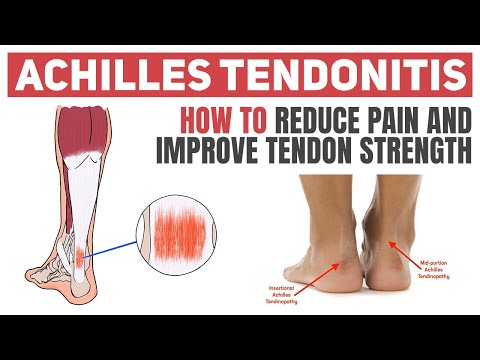
The Achilles tendon connects your calf muscles to your heel bone. When it gets inflamed, due to overuse or injury, it can result in discomfort or stiffness. This isn’t just an athlete’s dilemma; many people experience it from running, jumping, or even walking too much.
This article will walk you through effective exercises that can help relieve pain and promote healing. We’ll cover stretches, strengthening moves, and simple techniques that you can incorporate into your routine. The cool thing is, you don’t need to be a fitness guru to do these! They’re designed for everyone.
That said, this content doesn’t replace medical advice—important health decisions shouldn’t be made based solely on what you read here. Always consult with a healthcare professional before starting any new exercise program.
Uncover the Moves That Could Worsen Your Pain and Set You Back
Understanding Achilles Tendonitis
Achilles tendonitis is an overuse injury that causes pain and swelling in the tendon connecting your calf muscles to your heel. Think of it like a rubber band that gets stretched too much; it can lose its elasticity and become painful. This injury often occurs in runners or anyone who does a lot of physical activity.
What Moves Could Worsen Your Pain?
Certain activities can exacerbate Achilles tendonitis, making recovery slower. High-impact exercises, like jumping or sprinting, can put extra strain on the tendon.
If you’re doing activities without proper warm-up, it’s like trying to run a car engine without oil. Your body needs time to get ready! Skipping stretches or rushing into workouts may lead to more pain.
Improper Footwear
Wearing shoes that don’t provide enough support is another big culprit. Imagine wearing flip-flops during a marathon—it just doesn’t work! Proper footwear helps absorb shock and supports your arches.
Pushing Through Pain
Many people think they should push through discomfort. While it’s good to challenge yourself, ignoring pain signals can lead to worse injuries down the line. If something hurts, stop!
Helpful Practices for Relief
Instead of high-impact moves, consider low-impact exercises like swimming or cycling. These activities keep you active without putting too much pressure on your heels.
Incorporating stretching exercises for your calf muscles helps maintain flexibility. Gentle stretching can prevent stiffness and improve blood flow.
The Importance of Rest
Your body needs rest to heal—that’s just how recovery works! Balancing activity with periods of rest is essential for healing any injury.
Avoiding Setbacks
- Be cautious when returning to running or jumping.
- Add cross-training options into your routine.
- Listen to your body: if something feels off, take a break!
- Avoid sudden increases in intensity when exercising; gradual changes are key.
You want progress but being smart about how you work out is super important too! Often it’s not about working harder but working smarter when dealing with injuries like Achilles tendonitis.
If you’re feeling uncertain about what movements might help—or worsen—your pain, speaking with someone knowledgeable might be beneficial for tailored advice just right for you.
Effective Strategies to Relieve Pain and Restore Mobility
Understanding Achilles Tendonitis
Achilles tendonitis is a common injury that happens when the Achilles tendon, which connects your calf muscles to your heel bone, gets irritated or inflamed. It’s often the result of overuse, like when you suddenly increase your running distance or intensity. Pain may start as a dull ache and can get worse during activity.
Identifying Symptoms
If you’ve got Achilles tendonitis, you might notice tenderness along the tendon or just above your heel. Sometimes there’s stiffness in the morning that eases up with movement. It’s important to listen to your body; ignoring pain often leads to more serious issues.
Effective Exercises for Relief
When it comes to relieving pain and restoring mobility, exercise plays a key role. But not just any exercise—we’re talking about specific ones tailored for Achilles tendonitis.
Calf Stretching
A simple stretch can do wonders. Stand facing a wall with one foot in front of the other. Keep your back heel down and bend your front knee while leaning into the wall. Hold for 15-30 seconds and switch sides. This helps lengthen those tight muscles around the tendon.
Eccentric Heel Drops
This sounds fancy, but it’s really just about strengthening! Stand on a step with just the ball of your foot hanging off. Lift up onto both toes, then slowly lower one heel down below step level. Repeat this ten times on each leg—just remember to go slow!
Ankle Mobility Exercises
You can improve flexibility by rolling your ankle in circles or moving it back and forth while sitting down. Imagine you’re drawing letters with your toes—this keeps things interesting! Regular movement helps keep everything loose.
Pacing Yourself Matters
It’s easy to feel eager when starting these exercises, but pacing is important too! Gradually increase intensity instead of diving head-first into tough workouts right away. Remember: small steps lead to long-term gains.
Listen To Your Body
If something doesn’t feel right during an exercise or if pain increases rather than decreases, stop and reassess what you’re doing—or consult someone knowledgeable about physical activities.
- If rest is needed after certain activities, don’t be hard on yourself; it’s part of healing!
- Using ice for inflammation post-exercise can help calm things down if you experience swelling.
- Ditch high-impact sports temporarily while recovering; swimming or cycling could be good alternatives.
The Role of Footwear
Your shoes play a big part in preventing further irritation too. Ensure they provide proper support without being too tight or worn out—the balance matters here!
Wrapping Up Thoughts
Tackling Achilles tendonitis takes time—being patient goes hand-in-hand with sticking to these exercises as part of recovery strategy. Keep communication open with trainers if you’re unsure about specific moves or routines—and happy healing!
Energize Your Recovery While Protecting Your Feet
Achilles tendonitis can be a real pain—literally. This condition affects the Achilles tendon, which connects the calf muscles to the heel bone. You know, that big tendon at the back of your ankle? If you’re dealing with soreness or stiffness there, it can really slow you down.
Recovering from Achilles tendonitis requires a balanced approach. Exercise plays a crucial role, but it’s all about doing the right ones. So let’s dive into some effective exercises while keeping your feet happy!
Why Focus on Exercises?
Exercises are important because they help strengthen surrounding muscles and improve blood flow. Think about it: stronger tendons and muscles mean less strain on that already-weary Achilles tendon.
Calf Raises
Calf raises are simple yet effective. Stand up straight and slowly lift your heels off the ground until you’re on your toes. Hold for a few seconds, then lower back down. Start with just a few sets and see how you feel. You want to challenge yourself without pushing too hard.
Eccentric Heel Drops
This exercise is particularly great for easing tendon pain. Stand on the edge of a step with your heels hanging off slightly. Raise up on your toes, then slowly lower your heels below step level—do this gently! It helps strengthen the tendon in a safe way.
The Importance of Stretching
Stretching is another key component for recovery. Gently stretching the calf muscles and Achilles can help alleviate tightness and promote flexibility.
- Calf Stretch: Lean against a wall with one foot in front of the other. Keep the back leg straight while bending the front knee slightly—hold it there!
- Achilles Stretch: Sit down with one leg extended out in front and grab onto that foot with both hands, pulling gently towards yourself.
Listen to Your Body
This might sound obvious, but it’s super important: pay attention to how your body feels during these exercises! If something hurts or feels wrong during an exercise—it’s okay to stop or modify what you’re doing.
Consider Footwear Choices
Your shoes play an essential part in how your feet handle stress during recovery. Look for supportive footwear that provides cushioning and arch support; this makes life much easier during activities like walking or light jogging.
Cross-Training Options
If you’re looking for low-impact options while healing, think swimming or cycling! These activities are gentle on those achy tendons but still offer cardio benefits.
The Road Ahead
The journey of recovery may take time; remember patience is vital! Stay consistent with stretching and strength-building exercises while also taking breaks when needed to let those tired feet recover properly.
You have what it takes to energize y our recovery while caring for those precious feet; focus on exercising wisely and listen close ly to what they tell you! Take small steps every day—you’ll get there!
Effective Exercises for Relieving Achilles Tendonitis Pain
Achilles tendonitis can be a real pain, literally! This condition occurs when the Achilles tendon, which connects the calf muscles to the heel bone, becomes inflamed. You know that sharp, nagging pain at the back of your heel? Yeah, that’s it. It’s often caused by overuse or repetitive stress from activities like running or jumping.
The good news is that certain exercises can help alleviate this discomfort. Eccentric exercises are particularly effective. These involve lengthening the muscle while it’s under tension and have been shown to promote healing in the Achilles tendon.
Calf Raises
This exercise is super simple but powerful. Stand on a step with your heels hanging off the edge. Slowly raise your heels, then lower them down below the step level. This way, you work both up and down movements.
Stretching
Gently stretching your calf muscles can also be helpful. Lean against a wall with one foot behind the other and bend your front knee while keeping the back leg straight. You’ll feel a nice stretch in your calf; hold it for 15-30 seconds.
Toe Taps
Sitting on a chair, tap your toes on the ground while keeping your heels lifted—this helps strengthen those tendons without putting too much strain on them.
It’s essential to listen to your body during these exercises. If something hurts too much, ease back or stop completely—pain is there for a reason! And remember to check in with a healthcare professional if you’re unsure about anything.
A balance between rest and proper exercise is key. Making adjustments to your activities can also prevent further damage; think about low-impact options like swimming or cycling while you recover.
This journey might take some time, but with consistent effort and care, relief from Achilles tendonitis is definitely possible!