The information provided in this article is intended solely for general informational and educational purposes. It does not constitute medical advice, diagnosis or professional treatment, and should not be considered a substitute for consultation with a qualified doctor or other licensed healthcare professional. Any health-related decisions should be made in consultation with accredited medical professionals.
While efforts have been made to ensure the information is accurate and up to date, no guarantees are given—either express or implied—regarding its accuracy, completeness, currency or suitability. Use of this information is at your own discretion.
It is strongly recommended to consult official sources such as the NHS (National Health Service) or other recognised medical institutions before acting on any information contained on this website or article. Under no circumstances should professional medical advice be ignored or delayed due to content read here.
This content is of a general and informational nature only. It is not intended to replace individualised guidance from a healthcare professional or to establish any doctor-patient relationship. The publication of this information does not imply any professional responsibility, guarantee or obligation on the part of the author or this site.
Have you ever wondered what it feels like to suddenly lose the ability to push off your foot while running? That’s often how an Achilles tendon rupture can be first noticed. It’s a surprising injury, especially for athletes or active individuals. This tendon is critical for walking, running, and jumping. So when something goes wrong, it can really impact your life.
But don’t panic! Understanding this condition is the first step toward recovery. We’ll dive into how Achilles tendon ruptures happen, the tests that help diagnose them, and the best care options available. You’ll learn about both non-surgical and surgical treatments—along with what rehabilitation looks like afterwards.
This information matters because knowing what to expect can ease anxiety if you’re facing this issue or even just worried about it happening to you. Remember, though: this content doesn’t replace professional medical advice. Always consult with a healthcare provider before making any health decisions.
You deserve accurate insights about your body—and we’re here to help guide you through understanding this common yet complex injury.
Stay Alert: Key Indicators Your Achilles Tendon Might Be on the Brink of Rupture
Understanding Your Achilles Tendon
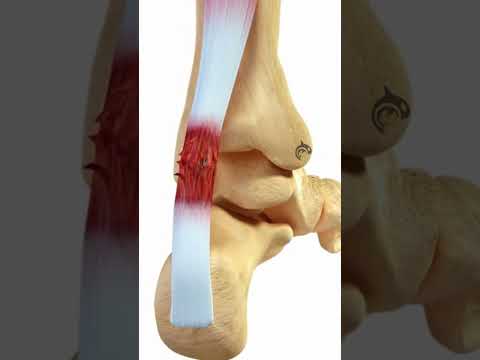
The Achilles tendon connects your calf muscles to your heel bone. It’s vital for walking, running, and jumping. When it’s healthy, you hardly notice it. Trouble arises when it gets hurt or ruptures, which is a serious injury.
What Can Happen?
A rupture means the tendon is torn completely. This can be extremely painful and often happens suddenly during activities that put strain on it, like sprinting or jumping.
Common signs of an achilles tendon rupture include:
- A sudden sharp pain in the back of your ankle or calf.
- An audible popping sound at the moment of injury.
- Swelling around the heel.
- Difficulty walking or standing on your tiptoes.
Key Indicators to Watch For
It’s essential to stay alert for warning signs. Sometimes, you might feel discomfort before a complete rupture occurs. These earlier symptoms can include:
- Persistent pain in the back of the leg that doesn’t go away easily.
- Tightness or stiffness in calf muscles.
- Swelling that seems unusual after physical activity.
Pain Levels Matter
If you find yourself wincing while doing basic movements like climbing stairs or running, take note. Increasing pain could signal trouble ahead with your tendon.
The Role of Testing
If there’s a strong suspicion of a rupture or damage, doctors may perform specific tests. One common test is the Thompson test; they gently squeeze your calf to see if your foot moves downwards. If it doesn’t respond correctly, that might mean something’s wrong with the tendon itself.
Caring for Your Tendon
Taking care of your Achilles tendon is crucial if you’re active in high-impact sports or activities. Warm up properly before exertion and consider incorporating flexibility exercises into your routine to help prevent injuries.
Ice therapy can also be helpful after intense workouts—apply ice wrapped in a cloth for 15-20 minutes to reduce swelling.
Mistakes to Avoid
A common misconception is that resting alone will heal a ruptured tendon. While rest helps, seeking medical advice promptly remains essential so appropriate care can start right away—otherwise complications can develop!
Final Thoughts
Your Achilles tendon plays an important role in mobility and performance.
Stay aware of any changes—if anything feels off, don’t brush it aside! Early detection makes huge difference in outcomes; paying attention pays off!
Unlocking the Secrets of the Thompson Test: A Deep Dive into Its Impact and Insights
Understanding the Thompson Test
The Thompson test is a simple, but effective way to check for an Achilles tendon rupture. The Achilles tendon is a strong band of tissue that connects your calf muscles to your heel bone. When it tears, it can cause intense pain and difficulty walking. So, knowing how the Thompson test works can help you understand its role in diagnosis.
What is the Thompson Test?
Basically, during the Thompson test, a healthcare professional squeezes your calf muscle while you’re lying face down. If your foot moves in response—like pointing your toes—then your Achilles tendon is likely intact. If there’s no movement of the foot, that could be a sign of a rupture.
Why It’s Important
The significance of the Thompson test lies in its simplicity and speed. It doesn’t require fancy equipment or advanced imaging technology like MRIs or ultrasounds, which can be time-consuming and expensive. Plus, it gives instant feedback on whether further tests are needed.
Laying Down the Basics: What Happens Next?
If a rupture is suspected from the Thompson test results, healthcare providers often use additional imaging tests to confirm their findings. Common methods include MRI or ultrasound scans that provide more detailed images of soft tissues like tendons.
Real-Life Example
Imagine someone who plays soccer and suddenly feels a snap at their ankle while sprinting. They may experience sharp pain right away and have trouble standing on their toes afterwards. In this case, after an initial examination including the Thompson test, medical professionals might decide to conduct an MRI to evaluate the extent of any injury.
A Little History
The Thompson test has been around for quite some time now—first introduced back in 1962! Over decades, its reliability has stood up against more modern techniques as well.
The Limitations
No medical test is perfect; that’s just reality! While the Thompson test is useful for detecting ruptures in many cases, false negatives can occur—meaning it might show no issue even if there actually is one. So follow-up assessments are crucial.
Caring After Diagnosis
If an Achilles tendon rupture gets confirmed via tests including potentially the Thompson test, treatment options vary depending low on severity and patient’s age or activity level. Some people may need surgery while others could opt for physical therapy first—it’s always best to discuss with health care providers about what fits best for you personally.
Misinformation Around Achilles Injuries
Sometimes misconceptions arise regarding these injuries; like thinking rest will fix everything instantly! While rest is part of recovery it’s usually not enough alone—but combining therapies could make healing smoother.
Final Thoughts
The Thompson test serves as an important first step when assessing Achilles tendon issues. It aids in determining whether further investigation into treatment options should take place afterwards yet shouldn’t solely dictate how injuries are treated overall! Always consult with healthcare professionals when facing such troubling symptoms—because no one’s health story will look exactly alike!
A Step-by-Step Guide to Healing and Recovery
Understanding Achilles Tendon Rupture
The Achilles tendon connects your calf muscles to your heel bone. It’s super important for walking, running, and jumping. Sometimes, this tendon can rupture, which means it tears completely or partially. Ouch, right? This usually happens during sports or sudden movements that put a lot of stress on it.
Signs and Symptoms
If you have an Achilles tendon rupture, you might feel a sharp pain in the back of your ankle. Some people say it feels like someone kicked them in that area. You might also notice swelling or bruising around the ankle. If you’re having trouble standing on your toes or feel weakness while moving your foot, it could be a sign.
Tests and Diagnosis
Your doctor will likely start with a physical examination to check for tenderness and swelling. They may ask you to perform specific movements to see how well your tendon is functioning. Sometimes they use tests like the Thompson test; this involves squeezing the calf muscle while observing if the foot moves—if there’s no movement, it may indicate a rupture.
In certain cases, imaging tests like an ultrasound or MRI can help see how severe the damage is and confirm if there’s a complete tear.
Initial Care
If you suspect a rupture, it’s important to take it easy! Resting is crucial in these first moments after injury. Applying ice can help reduce some swelling but make sure not to place ice directly on the skin; wrap it in cloth instead. Elevating your foot above heart level also helps manage swelling.
Treatment Options
Treatment usually depends on your age, activity level, and how severe the injury is. Non-surgical options could involve wearing a brace or boot that keeps your foot in place while it heals—think of it as a cast for soft tissue! Physical therapy might also be recommended later on.
Surgical options involve stitching up the torn tendon when it’s severely ruptured—this allows for better strength recovery but comes with its own risks like infection.
Rehabilitation Phase
Once you’ve seen any surgical intervention (if needed) or started healing from non-surgical methods, rehab becomes key! You’ll typically go through various exercises designed by a physiotherapist aimed at improving flexibility and strength without straining the injured area too much.
- Phase 1: Passive range-of-motion exercises.
- Phase 2: Strengthening exercises using light resistance.
- Phase 3: Gradual return to sport-specific activities under supervision.
- Phase 4: Full return to sports when fully cleared by professionals!
Pain Management
Pain management might include over-the-counter meds like ibuprofen or acetaminophen—but keep in mind: medications aren’t always for everyone nor are they one-size-fits-all!
The Long Road Ahead
Your healing journey can take time—often months—and that’s completely normal! It’s crucial not only focus on physical healing but also emotional support as recovery can sometimes be frustrating.
Surround yourself with encouraging friends; they can really help lift your spirits during tough days!
Sneaky Myths About Recovery
- A common myth is thinking once you feel good again — you’re all healed up! It’s vital to follow doctor’s advice even after pain decreases.
- You may hear about “miracle cures” online; remember that every body heals differently so what works for someone else may not apply!
The journey from injury backto full strength matters—a positive mindset plays an important role along with patience!
Achilles tendon rupture, honestly, it’s more common than you might think. Athletes and active individuals often face this injury. The Achilles tendon connects the calf muscles to the heel bone and absorbs a lot of stress during movement.
When someone ruptures their Achilles tendon, they might hear a popping sound and feel immediate pain in the back of their ankle. The swelling can be noticeable, and walking becomes quite difficult.
Tests and Diagnosis
The diagnosis usually starts with a physical exam. A doctor will check for tenderness at the site of the injury and look for swelling or bruising. They may also perform special tests like the Thompson test, where squeezing the calf muscle checks if there’s movement in the foot.
Caring for a Rupture
Treatment can vary based on severity and activity levels of the individual. Some may need surgery to reattach the tendon, while others might opt for non-surgical methods involving braces or casts.
Rehabilitation is crucial after treatment. Strengthening exercises help restore functionality and prevent future injuries.
Conclusion
Coping with an Achilles tendon rupture means understanding both immediate care and long-term recovery strategies. With appropriate interventions, most people can return to their normal activities.