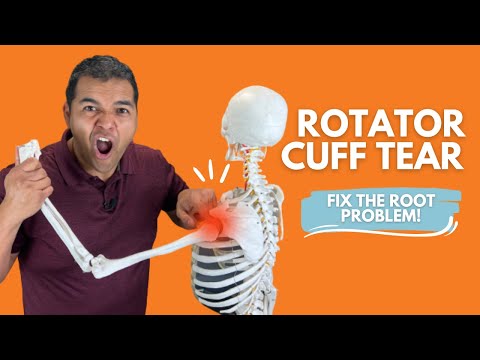
Understanding rotator cuff tears can seem daunting at first, but it’s a topic worth exploring. Your shoulder is an intricate joint, and the rotator cuff plays a crucial role in its stability and movement. Imagine your rotator cuff as a group of strong ropes holding a flag—your arm—firmly in place while allowing it to wave freely.
A tear in this area can lead to pain and restricted motion, affecting everyday activities from reaching for the top shelf to playing sports you love. Learning about this injury can help you recognize symptoms early on and make informed decisions about treatment options.
However, be cautious! There’s a lot of information out there, and not all of it is accurate or reliable. It’s essential to consult various specialists—like orthopedic doctors or physical therapists—and gather information from trustworthy sources. Each person’s body is different, and what works for one might not work for another. Stay curious but vigilant as you navigate your understanding of rotator cuff tears!
The information provided in this article is intended solely for general informational and educational purposes. It does not constitute medical advice, diagnosis or professional treatment, and should not be considered a substitute for consultation with a qualified doctor or other licensed healthcare professional. Any health-related decisions should be made in consultation with accredited medical professionals.
While efforts have been made to ensure the information is accurate and up to date, no guarantees are given—either express or implied—regarding its accuracy, completeness, currency or suitability. Use of this information is at your own discretion.
It is strongly recommended to consult official sources such as the NHS (National Health Service) or other recognised medical institutions before acting on any information contained on this website or article. Under no circumstances should professional medical advice be ignored or delayed due to content read here.
This content is of a general and informational nature only. It is not intended to replace individualised guidance from a healthcare professional or to establish any doctor-patient relationship. The publication of this information does not imply any professional responsibility, guarantee or obligation on the part of the author or this site.
Signs to Watch For When Your Shoulder Pain Takes a Turn
Shoulder pain can be frustrating and confusing. Knowing when to pay more attention to it is crucial for your long-term health.
Rotator cuff tears are common, especially among active individuals. This condition occurs when the tendons that help lift the arm become damaged or torn.
It’s essential to watch for signs that indicate your shoulder pain may be getting worse. Here are some key points:
Consider keeping an eye on how long you’ve had the pain. If it lasts more than a few weeks without improvement, it’s worth discussing with someone who understands shoulder health.
Sometimes, people ignore subtle symptoms hoping they’ll go away. It’s similar to ignoring a small leak in your roof – over time, it can lead to bigger problems.
Furthermore, if you’ve had prior injuries or surgeries on your shoulder, any new changes should be assessed carefully. Past injuries often complicate current symptoms.
Remember, you know your body best. If something feels off, don’t hesitate to seek advice from someone knowledgeable in this area.
Staying informed about these warning signs allows you to make better decisions regarding your health and well-being. Always trust in communication with professionals when things don’t feel right; they can provide guidance tailored just for you!
Unlocking Quick Relief for Your Shoulder Pain
Shoulder pain can be a real bother. It’s important to understand what’s going on inside your shoulder, especially if it could involve something like a rotator cuff tear.
The rotator cuff is a group of muscles and tendons that stabilize your shoulder joint. Think of it as a support system. If something goes wrong, like a tear, it can lead to pain and limited movement.
When you have shoulder pain, it’s crucial to figure out the cause. Sometimes it’s from overuse or an injury. Other times it might just be from wear and tear over the years.
For quick relief, here are some common approaches that may help:
Gentle stretching can also help maintain flexibility in the shoulder while healing. However, be careful not to push too hard.
Over-the-counter pain relievers like ibuprofen or acetaminophen can often provide temporary relief as well. Just remember to follow the directions on the label.
It’s worth noting that not all shoulder pain is due to rotator cuff tears. Conditions like frozen shoulder or bursitis might mimic similar symptoms but require different approaches.
If pain persists despite these methods or worsens over time, it’s wise to consult with someone who can assess your situation in detail. They might recommend imaging tests like MRIs for a clearer picture of what’s happening with your shoulder.
In conclusion, while there are several ways to manage quick relief for shoulder pain associated with rotator cuff issues, understanding your body and listening to its signals is key. Make informed decisions about how you approach healing—it’s about finding what works best for you!
Understanding the Impact of a Common Shoulder Injury on Your Daily Life
Rotator cuff tears are common shoulder injuries that can significantly affect daily life. The rotator cuff is a group of muscles and tendons that stabilize the shoulder joint. When it gets torn, even simple tasks can become challenging.
Imagine trying to lift your arm to reach for a glass or comb your hair. With a rotator cuff tear, these movements may cause pain or discomfort. You might notice weakness too, making it hard to perform activities you once did easily.
Here’s how this injury can impact you:
Not all tears are the same. Some may be partial, while others can be complete. Your recovery journey will vary based on the severity of the tear and your overall health.
One common myth is that surgery is always necessary for a rotator cuff tear. In many cases, nonsurgical treatments like physical therapy and rest may help alleviate symptoms. Strengthening exercises might also improve function over time.
It’s also worth noting that age plays a role. As we get older, tendons lose elasticity and become more prone to injury. Preventive measures like regular stretching and strengthening exercises can help protect against tears.
If you suspect you have a rotator cuff tear, consider consulting a healthcare provider for guidance tailored to you. Understanding how this injury affects daily life empowers you to make informed decisions about treatment options and lifestyle adjustments.
Recognizing the signs early allows for better management and recovery strategies. Remember, every body responds differently so listening to yours is key as you navigate through an injury like this one.
Understanding rotator cuff tears is essential for anyone looking to maintain shoulder health or seeking treatment. The rotator cuff consists of a group of muscles and tendons that stabilize the shoulder joint. Think of it as a sturdy support system, much like the guy ropes on a tent.
When these muscles or tendons get torn, often due to injury or overuse, it can lead to pain, weakness, and reduced mobility in the shoulder. Understanding the signs, such as persistent pain or difficulty lifting your arm, is crucial.
It’s also important to recognize that not all tears require surgery. Many can be managed with physical therapy and lifestyle adjustments. This points to the key principle that health is individual; what works for one person may not work for another.
Moreover, it’s easy to misunderstand that all shoulder pain indicates a rotator cuff issue. Other conditions can mimic these symptoms. Therefore, accurate diagnosis by a professional is vital.
In conclusion, educating ourselves on rotator cuff tears helps us make informed choices about our health care options. It encourages proactive management of our physical wellbeing while promoting an understanding of when to seek help. Awareness fosters resilience and proactive engagement in our own health journeys.