The information provided in this article is intended solely for general informational and educational purposes. It does not constitute medical advice, diagnosis or professional treatment, and should not be considered a substitute for consultation with a qualified doctor or other licensed healthcare professional. Any health-related decisions should be made in consultation with accredited medical professionals.
While efforts have been made to ensure the information is accurate and up to date, no guarantees are given—either express or implied—regarding its accuracy, completeness, currency or suitability. Use of this information is at your own discretion.
It is strongly recommended to consult official sources such as the NHS (National Health Service) or other recognised medical institutions before acting on any information contained on this website or article. Under no circumstances should professional medical advice be ignored or delayed due to content read here.
This content is of a general and informational nature only. It is not intended to replace individualised guidance from a healthcare professional or to establish any doctor-patient relationship. The publication of this information does not imply any professional responsibility, guarantee or obligation on the part of the author or this site.
Understanding Stable Angina: Symptoms, Causes, and Care
Have you ever felt chest tightness when you were exerting yourself? It’s not uncommon, and many folks experience something called stable angina. It can be a bit alarming but understanding it is key.
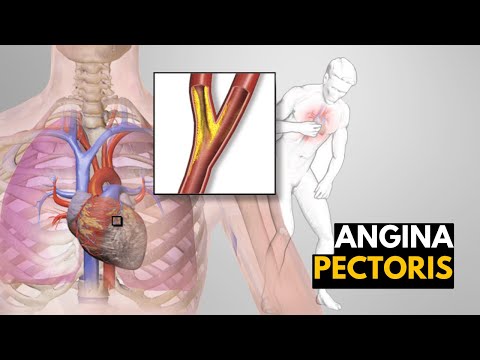
Stable angina occurs when your heart isn’t getting enough blood flow, often due to narrowed arteries. Think of it like a water pipe: if there’s a blockage, water can’t flow smoothly. This article will dive into the symptoms, causes, and ways to manage stable angina effectively.
Knowing what stable angina is can really help demystify those moments of discomfort. After all, feeling informed is empowering. It’s critical to recognize that the symptoms may vary for everyone.
That said, this article isn’t a replacement for professional medical advice. Making health decisions should involve consulting a healthcare professional who understands your unique situation. Let’s explore this topic together so you feel more at ease with your health!
Finding Relief and Managing Symptoms for a Healthier Heart
Understanding Stable Angina
Stable angina is like a warning bell for your heart. It happens when your heart doesn’t get enough blood and oxygen, usually during physical activity or stress. You might feel pressure or pain in your chest, sometimes along with discomfort in your arms, back, neck, or jaw. It’s important to recognize these signs so you can take action.
What Causes Stable Angina?
The main cause is usually narrowed arteries from a condition called atherosclerosis. Think of it like a highway with traffic jams; the arteries become less flexible and can’t carry blood smoothly. High cholesterol and high blood pressure can also contribute to this narrowing.
- Smoking
- Lack of exercise
- Poor diet
- Diabetes
If you have these risk factors, it’s smart to discuss heart health with a healthcare provider. They can help you figure out what changes might be beneficial.
Symptoms to Watch Out For
Stable angina typically follows a pattern. You might notice it when you’re active but it usually goes away with rest or medication like nitroglycerin. So if the pain lasts longer than usual or feels different than before, pay attention! This could signal something more serious.
Managing Stable Angina Symptoms
The key word here is management. Start by talking about lifestyle modifications like improving your diet and quitting smoking if that’s an issue for you. A diet rich in fruits, vegetables, whole grains, and lean proteins can make a difference over time.
You should aim for regular exercise—at least 150 minutes of moderate activity each week is often recommended—but always consult someone who knows about your health first to see what’s right for you.
The Role of Medication
If lifestyle changes aren’t enough, medications might be prescribed to help manage symptoms or prevent angina episodes. Common options include beta-blockers and statins—they work differently but all aim at improving blood flow and heart function.
A Final Note on Stress Management
You know stress plays a big role in our overall well-being too! Techniques such as deep breathing exercises, yoga, or even talking things out with someone can be beneficial in reducing stress levels that may trigger angina symptoms.
Finding relief from stable angina isn’t just about treating symptoms but also about taking proactive steps towards caring for your heart health over the long run!
Understanding the Warning Signs and Risks of Heart Distress
Understanding the Warning Signs of Heart Distress
Heart distress can be a serious matter, and knowing what to look for is really important. Sometimes, symptoms can sneak up on you, so it’s good to stay informed.
What is Stable Angina?
Stable angina is like a warning light in your car. It tells you that something isn’t quite right with blood flow to the heart. You might feel chest pain or discomfort, especially during activities like exercising or feeling stressed.
This pain usually goes away with rest or medication. The key here is that it’s predictable. It tends to occur after exertion and doesn’t last long.
Recognizing Symptoms
So, how do you know if you’re experiencing stable angina? Well, it’s often described as a squeezing sensation in the chest. You might also feel pressure or heaviness—not too dissimilar from having an elephant sit on your chest!
- Pain that radiates to your arms, neck, jaw, or back.
- Sweating.
- Nausea or lightheadedness.
The Causes
The root cause of stable angina usually has to do with narrowed arteries due to plaque buildup—like gunk clogging up pipes in your home. Plaque is made up of fat and other substances present in the blood.
Risk Factors
Certain factors can increase the likelihood of developing stable angina. Things like smoking, high cholesterol levels, obesity, and a sedentary lifestyle play a big role. Think about it: just like maintaining your car helps it run longer, taking care of your heart keeps it healthy!
Caring for Your Heart
You can take steps to manage symptoms and reduce risk factors. Regular exercise helps maintain healthy blood pressure and cholesterol levels. Eating heart-healthy foods—fruits, veggies, lean proteins—makes a difference too.
When to Seek Help
If you begin experiencing episodes more frequently or if they last longer than usual—stop! It’s better to check in with someone knowledgeable rather than wait for things to get worse.
The Bottom Line
Paying attention to warning signs like stable angina can save lives. Remember that listening to your body is essential! If something feels off—don’t ignore it.
Understanding the Key Differences Between Two Types of Chest Pain
Understanding Key Differences Between Two Types of Chest Pain
Chest pain can be pretty scary, right? But knowing what’s going on can help ease your mind. Two common types of chest pain are stable angina and unstable angina. They may sound similar, but they have distinct characteristics.
What is Stable Angina?
Stable angina is like a warning sign. It typically happens during physical activity or emotional stress. Imagine climbing stairs or getting into a heated conversation; that’s when you might feel it.
The pain often feels like pressure or tightness in the chest. You might also experience discomfort in your arms, neck, jaw, or back. But here’s the thing: it usually goes away with rest or medication, like nitroglycerin.
What Causes Stable Angina?
The root cause often links back to coronary artery disease. This condition occurs when the arteries that supply blood to the heart become narrowed due to fatty deposits called plaques.
If your heart isn’t getting enough oxygen-rich blood during exertion, you’ll experience stable angina. It’s a sign that your heart is struggling a bit but usually not an emergency.
Understanding Unstable Angina
Now let’s talk about unstable angina – this one demands more attention. Unlike stable angina, this type can occur at rest, without any obvious triggers.
The pain might be more intense and last longer than stable angina episodes—sometimes even 30 minutes or more. People describe it as sharp or crushing and say it doesn’t go away with rest.
Why Is Unstable Angina More Serious?
This type suggests that there may be something serious happening in your heart, like an impending heart attack. Your arteries could be narrowing rapidly or even completely blocked!
If you’re experiencing symptoms of unstable angina, it’s crucial to get help right away!
How Can You Manage Stable Angina?
- Lifestyle Changes: Eating healthy and quitting smoking can really make a difference.
- Meds: Doctors might prescribe medications to improve blood flow and decrease the workload on the heart.
- Avoid Triggers: Knowing what activities trigger your symptoms helps in managing them better.
The Takeaway
Your body sends signals for a reason; understanding those signals is important! If you’re ever unsure about chest pain you’re experiencing, it’s always smart to talk with a healthcare professional who can provide personalized advice based on your situation. Remember: knowledge can empower you to take care of yourself effectively!
Understanding Stable Angina: Symptoms, Causes, and Care
Stable angina is a common heart condition that affects many people. It’s important to recognize its symptoms, understand its causes, and know how to manage it effectively.
So, what exactly is stable angina? Basically, it’s chest pain or discomfort that happens when the heart muscle doesn’t get enough blood flow. This usually occurs during physical activity or stress and goes away with rest. It’s like your heart asking for a break when it works too hard.
Symptoms
The hallmark symptom of stable angina is chest pain or pressure. This can feel like a squeezing sensation in the middle of the chest. Some people describe it as heaviness or even indigestion. The pain can also radiate to the shoulders, arms, neck, jaw, or back.
Causes
The main culprit behind stable angina is coronary artery disease (CAD). In simple terms, this means your heart’s arteries are narrowed due to plaque buildup—a mix of fat and cholesterol. Think of it like a garden hose that’s partially blocked; water can’t flow freely when there’s an obstruction.
You might wonder what makes someone prone to this condition. Risk factors include high blood pressure, high cholesterol levels, smoking, diabetes, and a family history of heart disease. Lifestyle plays a big role here: poor diet and lack of exercise can worsen these risks.
Care
Caring for stable angina involves both medical management and lifestyle changes. Medications such as nitrates help relieve chest pain by relaxing blood vessels—it’s like opening up the hose again for better flow.
Lifestyle modifications are equally crucial. Eating a balanced diet rich in fruits and vegetables can lower cholesterol levels while regular exercise strengthens your heart muscle over time. Quitting smoking? That’s non-negotiable; it has huge benefits for your cardiovascular health.
Regular check-ups with healthcare professionals also play an essential part in managing symptoms effectively—staying proactive makes all the difference.
This understanding of stable angina encompasses both its nature and the care approach needed to manage it successfully. It’s about listening to your body while working closely with healthcare providers to ensure you keep your heart healthy for years to come.