The information provided in this article is intended solely for general informational and educational purposes. It does not constitute medical advice, diagnosis or professional treatment, and should not be considered a substitute for consultation with a qualified doctor or other licensed healthcare professional. Any health-related decisions should be made in consultation with accredited medical professionals.
While efforts have been made to ensure the information is accurate and up to date, no guarantees are given—either express or implied—regarding its accuracy, completeness, currency or suitability. Use of this information is at your own discretion.
It is strongly recommended to consult official sources such as the NHS (National Health Service) or other recognised medical institutions before acting on any information contained on this website or article. Under no circumstances should professional medical advice be ignored or delayed due to content read here.
This content is of a general and informational nature only. It is not intended to replace individualised guidance from a healthcare professional or to establish any doctor-patient relationship. The publication of this information does not imply any professional responsibility, guarantee or obligation on the part of the author or this site.
Have you ever felt a sudden tightness in your chest or shortness of breath? It can be pretty alarming, right? Unstable angina is one of those conditions that may affect you or someone you care about. It’s not just a fancy medical term; it’s a warning sign that should never be ignored.
This article is here to break down what unstable angina really means. We’ll explore its key causes, the symptoms to watch for, and most importantly, effective treatments available. Understanding this condition is vital because knowledge empowers you to take action when it matters most.
A lot of people don’t realize that unstable angina can occur even without physical exertion. It’s unpredictable and can strike at rest—so being informed is crucial. Ignoring these signs could lead to more serious heart issues down the road.
Please remember, while this article offers valuable information, it does not replace medical advice. Always consult with a healthcare professional before making any health decisions. Your heart health deserves personalized attention!
Understanding the Triggers Behind Unpredictable Chest Pain
Chest pain can be really scary. It’s one of those things that gets your heart racing, right? But not all chest pain points to a heart attack. Sometimes, it can indicate unstable angina, which is a type of chest pain linked to reduced blood flow to the heart.
What is Unstable Angina?
Unstable angina refers to sudden chest pain that occurs even at rest or with very little exertion. Imagine your heart as a car—when it runs out of gas, it sputters and struggles. Similarly, if the heart doesn’t get enough blood, you feel discomfort or pain.
Common Triggers of Chest Pain
- Stress: Emotional stress or anxiety can cause your body to release hormones that influence your heart rate and blood pressure.
- Athletic activities: Exercise puts demands on the heart; if it’s not getting enough oxygen during this time, you might feel pain.
- Cigarette smoke: Smoking harms blood vessels and decreases their ability to deliver oxygen-rich blood effectively.
- Caffeine: For some people, caffeine can increase anxiety and trigger episodes of angina. It’s like adding fuel to a fire when you’re already stressed.
- Extreme temperatures: Cold weather or intense heat can put extra strain on your heart.
The Role of Plaque Buildup
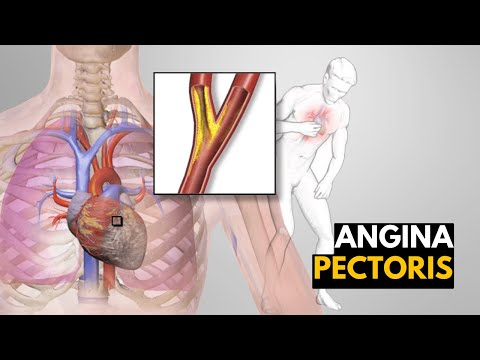
You know how sometimes highways get congested? Well, in our arteries, cholesterol can build up and create blockages too. This process is known as atherosclerosis. When pieces break off or rupture, they can lead to unstable angina triggers.
Treatment Options
Treating unstable angina often involves lifestyle changes along with medications. Think about it like maintaining that car we talked about earlier: regular oil changes (like proper diet), brake checks (monitoring symptoms), and sometimes new parts (medication) are necessary for smooth operation.
- Lifestyle changes: Quitting smoking or managing stress through yoga may help reduce episodes significantly.
- Medications: Doctors might prescribe blood thinners or statins—all aimed at improving blood flow and overall health.
A Final Note on Awareness
If you experience unpredictable chest pain, it’s crucial to seek medical help. While this chat offers some insights into potential causes and treatments for unstable angina, personalized advice from healthcare professionals is key for the best care possible. It’s much like having a dedicated mechanic for your car—every situation requires special attention!
Your well-being starts with understanding what’s going on inside you—and seeking guidance when necessary plays a big part in that journey!
Exploring the Most Effective Approaches to Manage Unstable Angina
Understanding Unstable Angina
Hey, so let’s talk about unstable angina. It’s a type of chest pain that happens when your heart isn’t getting enough blood. Unlike stable angina, which is usually predictable and occurs during physical activity, unstable angina can strike without warning.
You might feel pressure or pain in your chest, and it may last longer than typical angina episodes. Sometimes people describe it as a squeezing sensation or a feeling of heaviness. It’s definitely not something to take lightly.
Key Causes
So what causes unstable angina? Well, it’s mostly linked to coronary artery disease (CAD). Basically, CAD means that the arteries supplying blood to your heart are narrowed or blocked—often due to plaque buildup from cholesterol.
The thing is, this narrowing can change suddenly. For instance, if a plaque ruptures, it can create a blood clot that completely blocks the artery. This is what really leads to those unexpected episodes of pain.
Risk Factors
- High blood pressure: This puts extra strain on your arteries.
- Smoking: It harms your blood vessels and decreases oxygen in your body.
- High cholesterol: This contributes to plaque buildup in arteries.
- Diabetes: It can damage blood vessels over time.
- Lack of exercise: Being inactive isn’t great for heart health.
Treatment Approaches
Tackling unstable angina often requires a mix of lifestyle changes and medical treatments. Let’s break them down a bit.
Lifestyle Modifications
Straight up, changing habits can make a huge difference. Eating healthier foods—think fruits, veggies, whole grains—helps lower cholesterol levels and manage weight. Exercise is also key; it strengthens the heart and improves circulation.
Don’t forget about stress management! High stress can trigger symptoms. Techniques like yoga or meditation might help you cope better with daily pressures.
Medications
- Aspirin:This helps thin the blood and prevent clots from forming;
- Nitroglycerin:This relieves chest pain by relaxing blood vessels;
- Beta-blockers:They lower heart rate and reduce workload on the heart;
- Statins:Your doctor might prescribe these for lowering cholesterol;
Surgical Options
If medications aren’t cutting it, doctors might suggest more invasive options like angioplasty or surgery. Angioplasty involves inserting a tiny balloon into the artery to open it up while placing stents to keep it open. Bypass surgery creates new pathways for blood flow if there are significant blockages in major arteries.
A Team Approach
You know what? Managing unstable angina doesn’t happen overnight—it’s often a team effort between you and healthcare professionals. Keeping regular appointments lets you stay informed about your condition and potential adjustments needed in treatment plans.
If Symptoms Arise?
If you experience sudden chest pain or discomfort that feels different from usual patterns—like lasting longer than 20 minutes—you should reach out for medical assistance right away.
Coping Mechanisms
If you’re dealing with this condition—a support system can be invaluable too. Sharing experiences with family or joining support groups may help ease anxiety related to managing symptoms.
The bottom line? Unstable angina needs attention and care but many paths are available for managing this condition effectively! Just remember: Regular communication with doctors is crucial as you navigate health choices!
Understanding the Key Variations and Their Implications for Heart Health
Understanding Unstable Angina
Unstable angina is a type of chest pain that is more severe and unpredictable than stable angina. It can happen suddenly, often while you’re resting or doing little. You might feel tightness or pressure in your chest, which can be alarming.
So, what makes it “unstable”? Well, the key thing to know is that it signals your heart isn’t getting enough blood flow. This lack of oxygenated blood can be due to various factors like blockages in your arteries or even inflammation.
Causes of Unstable Angina
- Atherosclerosis: Over time, fatty deposits can build up in the arteries, which narrows them.
- Certain Factors: Stress, extreme temperatures, and heavy physical activity can trigger episodes.
- Blood Clots: Sometimes a clot can form on those narrowed arteries and interrupt blood flow completely.
- Coronary Artery Spasm: A temporary tightening of the muscles around the artery may also restrict blood flow.
Treatments for Unstable Angina
If you experience unstable angina, it’s important to seek medical help right away. Treatments usually aim at improving blood flow and relieving symptoms. Here’s what could happen:
- Meds: Doctors often prescribe medications like aspirin to thin your blood and beta-blockers to decrease heart workload.
- Angioplasty: In some cases, a procedure called angioplasty may be performed; it’s where doctors use a small balloon to widen the artery.
- Surgery: Bypass surgery might be necessary if there are multiple blockages that can’t be treated with medication alone.
The Implications for Heart Health
This unstable condition isn’t just about occasional chest pain; it’s a warning signal. Ignoring these symptoms could lead to serious problems like heart attack or other cardiovascular diseases later on.
The thing is lifestyle choices play a huge role here—things like smoking cessation, healthy eating habits, and regular exercise can make all the difference over time. It’s like tuning up an old car: regular maintenance keeps things running smoothly!
A Real-Life Example
If you’re someone who experiences stress regularly—like dealing with job pressures—you might find yourself at higher risk for unstable angina compared to someone with less stress in their life. Cognitive therapies or relaxation techniques might help manage stress effectively; they add up over time!
Your Takeaway
The signs of unstable angina shouldn’t be taken lightly—it’s crucial to listen to your body and consult healthcare professionals when needed. So remember: being proactive about heart health includes understanding these variations!
Understanding Unstable Angina: Key Causes and Effective Treatments
Unstable angina is a serious condition that signals your heart isn’t getting enough blood. It’s often a warning sign of an upcoming heart attack. When someone experiences it, they might feel chest pain or discomfort, which can happen at rest or with minimal exertion. This sudden change from their usual pattern of angina is critical.
So, what’s behind unstable angina? Well, plaque buildup in the arteries is a primary cause. You can think of arteries like pipes; when they get clogged with fatty deposits (plaques), blood flow decreases. Stressful situations or physical activity might further narrow these pathways, triggering symptoms.
Risk factors play a big role too. High cholesterol levels, smoking, diabetes, and high blood pressure are major culprits that contribute to this condition. Lifestyle choices have a large impact here; things like diet and exercise can really help mitigate risks.
Treatment for unstable angina focuses on improving blood flow and preventing future heart issues. Doctors often recommend medications such as antiplatelets—like aspirin—to prevent clots from forming, or statins to lower cholesterol levels.
In some cases, procedures such as angioplasty may be needed to open up narrowed arteries and restore better blood flow. Lifestyle changes are also key: healthier eating habits, regular physical activity and quitting smoking can greatly reduce risks associated with unstable angina.
This reflects the importance of understanding your own body’s signals; recognizing symptoms early can save lives. By maintaining regular check-ups and communicating openly with healthcare providers, individuals can take significant steps toward managing heart health effectively.