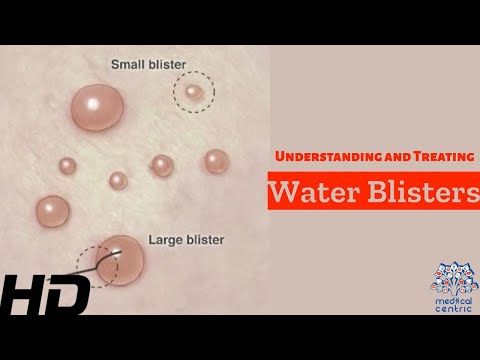
Blisters are those small, fluid-filled bubbles that can appear on your skin. They often seem to pop up out of nowhere and can be quite bothersome. But what causes them? And how can you treat them effectively? Understanding blisters is crucial for maintaining healthy skin and avoiding complications.
Blisters can form due to various reasons, such as friction from shoes, burns, or even certain medical conditions. Imagine your skin as a protective barrier; when it’s compromised—like getting too much friction or heat—it responds by creating a blister to protect the underlying layer. That’s your body’s natural defense mechanism kicking in!
When it comes to treatment, the good news is many blisters heal on their own with proper care. You might find relief with simple methods like keeping the area clean and covered, but it’s essential to know when to seek help.
However, it’s vital not to overlook serious symptoms! If you notice signs of infection—like increased redness, warmth, or pus—or if blisters are recurring without clear cause, consult a healthcare professional. Relying on accurate information is key; explore resources from various specialists and trusted media to understand the best care for your situation. Remember, knowledge empowers us to make informed health decisions!
The information provided in this article is intended solely for general informational and educational purposes. It does not constitute medical advice, diagnosis or professional treatment, and should not be considered a substitute for consultation with a qualified doctor or other licensed healthcare professional. Any health-related decisions should be made in consultation with accredited medical professionals.
While efforts have been made to ensure the information is accurate and up to date, no guarantees are given—either express or implied—regarding its accuracy, completeness, currency or suitability. Use of this information is at your own discretion.
It is strongly recommended to consult official sources such as the NHS (National Health Service) or other recognised medical institutions before acting on any information contained on this website or article. Under no circumstances should professional medical advice be ignored or delayed due to content read here.
This content is of a general and informational nature only. It is not intended to replace individualised guidance from a healthcare professional or to establish any doctor-patient relationship. The publication of this information does not imply any professional responsibility, guarantee or obligation on the part of the author or this site.
Simple Strategies for Fast Relief and Healing
Blisters can be a nuisance. They often occur when your skin experiences friction or irritation, like from new shoes or excessive rubbing during sports. Understanding the causes helps you prevent and treat them effectively.
When a blister forms, it acts as a protective bubble. It contains fluid to cushion the area and promote healing. However, it can be uncomfortable and sometimes painful.
Here are some simple strategies for fast relief and healing:
If you decide to pop a blister, do so carefully. Use a sterilized needle to make a small hole at the edge. This allows fluid to drain while keeping the skin intact over the area for protection.
Always remember that blisters are often self-limiting. They usually heal within a week or two without intervention. However, monitor them closely.
Should signs of infection occur—like increased redness, warmth, or pus—it’s wise to seek professional advice. Such symptoms shouldn’t be ignored.
Preventing blisters is also possible through simple practices:
Lastly, understanding how blisters work encourages better care choices. When you know what causes them, you’re better equipped to avoid them in the future.
In summary, treating blisters is mostly about gentle care and prevention strategies. By being mindful of how you treat your skin, you’ll find quicker relief and promote healing more effectively..
Uncovering the Hidden Triggers Behind Painful Blistering Conditions
Blistering conditions can be quite painful and puzzling. These skin issues can appear suddenly and often leave individuals searching for answers. Understanding what causes these blisters is the first step in managing them effectively.
Blisters are fluid-filled sacs that develop on the skin. They can arise from various triggers, some of which might surprise you.
Recognizing these triggers is essential for both prevention and treatment. For example, if friction is an issue, wearing comfortable shoes and socks may help avoid future blisters.
In treating blisters, it’s important not to pop them unless directed by a healthcare provider. Popping a blister can introduce bacteria and lead to infection.
Instead, keep the area clean and covered with a sterile bandage. This promotes healing while protecting it from further irritation.
Many people also wonder about home remedies for soothing blister pain. Simple options include applying cold packs or using aloe vera gel for relief.
It’s crucial to monitor any blister that shows signs of infection—like increased redness, swelling, or pus. If this occurs, seeking medical advice is necessary.
Lastly, we often hear myths surrounding blisters—like believing they will always heal quickly on their own without care. While many do heal well with proper attention, some may require more focused treatment based on their cause.
Understanding these hidden triggers behind painful blistering conditions allows individuals to be more informed about their skin health. Being equipped with knowledge helps in making responsible decisions regarding care and prevention strategies tailored uniquely for each situation.
Exploring the Various Forms and Causes of Skin Blisters
Skin blisters can be a common nuisance, but understanding their forms and causes can help manage them better. Blisters are small pockets of fluid that form under the skin. They often arise as a protective response to damage or friction.
There are several types of blisters. Each has its own cause:
Most blisters are not serious and generally heal on their own in time. However, it’s essential to care for them properly.
Keeping the area clean is vital. If a blister pops, it’s best to keep it covered with a sterile bandage to avoid infection. Watch for redness or pus which might indicate an issue.
Avoid popping blisters unless absolutely necessary since this can introduce bacteria into the open skin. Treating the underlying cause—like changing shoes if friction is the culprit—is also important.
If you notice frequent or unusual blistering without an apparent cause, considering a chat with someone who understands these things might be beneficial.
Overall, understanding why and how blisters form helps in making informed decisions about treatment and care. Staying aware of your body’s signals can guide you toward better health choices moving forward!
Understanding the causes and treatments of blisters is essential for both prevention and management. Blisters are fluid-filled sacs that form on the skin, often as a response to friction, heat, or irritation. This reaction serves a protective purpose, allowing healing beneath the surface.
Common causes of blisters include:
When it comes to treating blisters effectively, it’s vital to consider both comfort and healing. First, try to keep the blister intact; this protects the underlying tissue from infection. If a blister does burst naturally, gently clean the area and cover it with a sterile bandage.
Effective treatment strategies involve:
Prevention is equally important. Wearing well-fitting shoes and moisture-wicking socks can significantly reduce friction-related blisters. Staying aware of potential irritants in our environment can also help avoid allergic reactions that lead to blister formation.
Educating oneself on these aspects can empower individuals to make informed decisions about care and prevention. Remember that if blisters cause significant pain or do not heal properly, consulting with a healthcare professional is always advisable.