The information provided in this article is intended solely for general informational and educational purposes. It does not constitute medical advice, diagnosis or professional treatment, and should not be considered a substitute for consultation with a qualified doctor or other licensed healthcare professional. Any health-related decisions should be made in consultation with accredited medical professionals.
While efforts have been made to ensure the information is accurate and up to date, no guarantees are given—either express or implied—regarding its accuracy, completeness, currency or suitability. Use of this information is at your own discretion.
It is strongly recommended to consult official sources such as the NHS (National Health Service) or other recognised medical institutions before acting on any information contained on this website or article. Under no circumstances should professional medical advice be ignored or delayed due to content read here.
This content is of a general and informational nature only. It is not intended to replace individualised guidance from a healthcare professional or to establish any doctor-patient relationship. The publication of this information does not imply any professional responsibility, guarantee or obligation on the part of the author or this site.
Have you ever felt a sudden, sharp pain in your upper abdomen, and wondered what on earth is going on? You’re not alone. Many people experience gallbladder pain, and it can be pretty alarming. The gallbladder might be a small organ, but it plays an important role in digestion by storing bile. When things go awry, the discomfort can sneak up on you and disrupt your day.
This article dives into the common causes of gallbladder pain and discusses effective treatments that might help. Understanding these triggers can really make a difference. Sometimes it’s as simple as dietary choices or other times it could be something more serious requiring professional care.
Your health matters, right? But remember, this content is intended to inform you—it doesn’t substitute for medical advice. Always consult with a healthcare professional before making any decisions about your health. Taking charge of your well-being starts with knowledge! Let’s uncover what gallbladder pain really means and how you can address it.
Instant Relief Techniques to Tame Gallbladder Pain on the Spot
Gallbladder pain can be really uncomfortable. It often feels like a sharp cramp in the upper right part of your belly. Sometimes, it might even spread to your back or shoulder. So, what causes this? The gallbladder, a small organ beneath your liver, stores bile which helps in digesting fats. When something goes wrong—like the formation of gallstones—it can trigger pain.
Now, let’s talk about some instant relief techniques that folks use when they feel this type of pain creeping up.
Heat Application
A simple yet effective method is using heat. Maybe you have a heating pad at home? Placing it on your abdomen can help relax the muscles and ease discomfort. It’s like giving your body a warm hug, you know?
Positioning
Breathe and Relax
Ginger Tea
Stay Hydrated
Foods to Avoid
A Quick Walk
When To Seek Help
The thing is, managing gallbladder pain often involves understanding what triggers it and finding what works best for you personally. Each experience is different; so listen closely to what your body tells you!
Quick Solutions to Ease Your Discomfort Instantly
Understanding Gallbladder Pain
Gallbladder pain can be really uncomfortable, and figuring out what’s causing it is the first step. The gallbladder is a small pouch that stores bile, a fluid that helps digest fats. When things go wrong here, it can lead to some serious discomfort.
Common Causes of Gallbladder Pain
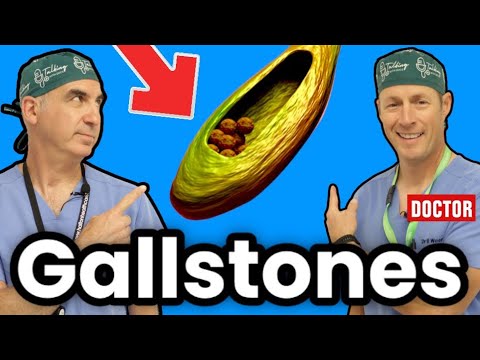
One major cause of gallbladder pain is gallstones. These are hardened deposits formed from bile components. Imagine tiny rocks blocking a path—when they block the ducts, pain can occur.
Another possibility is inflammation, known as cholecystitis. This can happen if a gallstone gets stuck and makes the gallbladder swell. You may also experience pain due to blockages or infections.
Recognizing Symptoms
The pain often appears in the upper right abdomen and may radiate towards your shoulder or back. You might feel a sharp ache or dull pressure after eating fatty foods. Sometimes nausea and vomiting tag along too.
If these symptoms sound familiar, it’s worth paying attention to them.
Finding Relief
You might be wondering how to ease this discomfort immediately. Sometimes applying heat on the affected area can help relax those muscles and ease the pain. A warm pack works well here.
Staying hydrated is also important—water helps keep things moving through your digestive system. Herbal teas like peppermint or ginger may provide some comfort too; they’re known for their soothing properties.
Lifestyle Changes Matter
Your diet plays an important role in managing gallbladder health. Eating smaller meals rich in fiber while reducing processed foods might help keep symptoms at bay over time.
Look, cutting down on greasy foods can sometimes make a big difference too! Think about what you eat frequently; even small adjustments can add up!
When to Seek Help
If the pain persists or worsens, it’s crucial to reach out for professional help. There could be underlying issues needing attention, so keeping track of your symptoms is key here.
Your Takeaway
Easing discomfort from gallbladder issues involves understanding what’s causing it and making some thoughtful changes in your life habits.
Listen to your body; if something feels off, don’t hesitate to discuss with someone who can guide you properly on this journey toward feeling better!
Identifying the Warning Signs of Gallbladder Problems
The gallbladder is a small pouch that sits under your liver. It plays a role in digesting fats by storing bile, a digestive fluid. Sometimes, however, it can develop problems, leading to pain and discomfort. Recognizing early warning signs is crucial.
Common Symptoms
Gallbladder issues can manifest in various ways. One of the most common signs is pain in the upper right abdomen. This pain may come and go, or it can be constant. Typically, it intensifies after meals—especially if they are high in fat.
Another symptom to watch for is nausea or vomiting, particularly after eating fatty foods. Some people experience bloating or indigestion as well. These symptoms can sometimes be mistaken for other digestive issues.
What About Gallstones?
Gallstones are solid particles that form in the gallbladder and are a frequent contributor to gallbladder problems. They can block bile ducts, causing intense pain known as biliary colic.
If you suddenly feel severe pain that lasts longer than 30 minutes, especially if accompanied by sweating or chills, it’s wise to seek medical attention.
Additional Signs
- Jaundice: If your skin or eyes turn yellowish, it might indicate bile duct blockage.
- Darker Urine: Noticeably dark urine can signal gallbladder issues too.
- Pale Stools: If your stools lose color and become grayish or clay-like, that could point towards a problem with bile flow.
Chronic Issues
If you’re repeatedly experiencing these symptoms over time, you might have chronic cholecystitis—an inflammation of the gallbladder usually due to repeated episodes of gallstones blocking bile flow.
Treatment Options
Treatment depends on the severity of your condition. In mild cases, dietary changes might help manage symptoms—like cutting back on high-fat foods. However, surgery is often recommended for more serious conditions involving gallstones or chronic inflammation.
The Importance of Diagnosis
If you suspect you have gallbladder problems based on these warning signs, consult with a healthcare professional for proper diagnosis and treatment options tailored to your specific situation.
You know? Sometimes just talking about symptoms helps clarify what’s going on inside our bodies—even if it’s just a little discomfort!
Gallbladder pain can be quite distressing, and understanding its causes and treatments is essential for those affected. The gallbladder is a small organ that holds bile, which helps digest fats. Sometimes, issues arise, leading to pain that can range from mild discomfort to severe episodes.
One major cause of gallbladder pain is gallstones. These are small, hard deposits that form in the gallbladder. They can block bile ducts, resulting in sharp or cramping pain, usually in the upper right abdomen. Another cause can be inflammation of the gallbladder itself, known as cholecystitis. This often occurs when a stone gets stuck.
Treatments vary depending on the severity of the condition. For minor cases, lifestyle changes like diet adjustments can help manage symptoms. Eating low-fat foods may reduce episodes of pain since fatty meals often trigger discomfort.
For more severe cases, medical interventions might be necessary. Procedures like laparoscopic cholecystectomy—where the gallbladder is surgically removed—are common and effective for chronic issues.
In managing gal bladder pain, it’s important for individuals to recognize their bodies’ signals and seek medical advice promptly if they experience persistent or severe discomfort. This proactive approach can lead to better outcomes and quality of life.