
The information provided in this article is intended solely for general informational and educational purposes. It does not constitute medical advice, diagnosis or professional treatment, and should not be considered a substitute for consultation with a qualified doctor or other licensed healthcare professional. Any health-related decisions should be made in consultation with accredited medical professionals.
While efforts have been made to ensure the information is accurate and up to date, no guarantees are given—either express or implied—regarding its accuracy, completeness, currency or suitability. Use of this information is at your own discretion.
It is strongly recommended to consult official sources such as the NHS (National Health Service) or other recognised medical institutions before acting on any information contained on this website or article. Under no circumstances should professional medical advice be ignored or delayed due to content read here.
This content is of a general and informational nature only. It is not intended to replace individualised guidance from a healthcare professional or to establish any doctor-patient relationship. The publication of this information does not imply any professional responsibility, guarantee or obligation on the part of the author or this site.
Have you ever felt a nagging pain in your upper abdomen and wondered what it could be? It’s not uncommon to feel anxious when facing tests like a gallbladder ultrasound. These appointments can feel overwhelming, but they don’t have to be.
A gallbladder ultrasound is a simple and quick way for doctors to take a closer look at your gallbladder and surrounding organs. It’s especially helpful if you’re experiencing symptoms like abdominal pain or discomfort. But what exactly happens during this appointment? What should you expect?
This article will walk you through the process step-by-step, so you know what’s coming. You’ll learn about the preparation, the actual procedure, and what the results might mean for you. Understanding this can really ease some of that anxiety.
It’s important to note that while we’ll provide valuable insights, this content doesn’t replace professional medical advice. Health decisions should always be made with guidance from your healthcare provider.
So let’s dive in and help you get ready for your ultrasound appointment!
Understanding the Key Differences in Gallbladder Health
The gallbladder is a small organ tucked under your liver. It stores bile, which helps in breaking down fats from your food. Let’s dive into what it means to have a healthy gallbladder and what to expect during your gallbladder ultrasound appointment.
What Can Affect Gallbladder Health?
One major issue is gallstones. These are hard deposits that form in the bile. Think of them like tiny pebbles that can cause pain or blockages. Not everyone with gallstones has symptoms, though; some people live without even knowing they have them.
Another concern is inflammation, known as cholecystitis. This can happen if a stone gets stuck and causes irritation or infection. Symptoms might include intense pain in the right upper part of your abdomen, especially after meals.
The Role of Ultrasound
An ultrasound is often the first step in diagnosing problems with the gallbladder. It’s a painless procedure that uses sound waves to create images of your insides. Sounds complicated? It’s actually quite simple and totally safe!
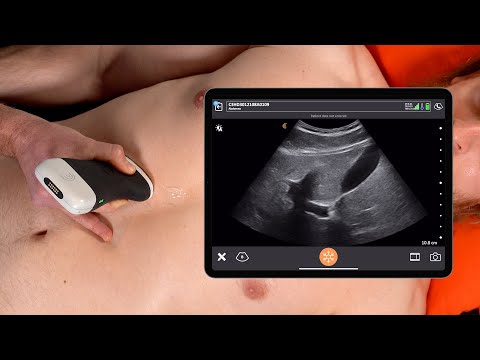
The technician will apply gel on your belly and use a small device called a transducer to capture images of your gallbladder and surrounding organs.
What Should You Expect During Your Appointment?
- Preparation: Sometimes you may be asked not to eat for several hours before the test so that bile can accumulate.
- Duration: The whole process usually takes around 30 minutes, depending on how many images are needed.
- Comfort: While it might feel a bit cold because of the gel, there’s no real discomfort involved.
- Your Role: It’s important to stay still during the imaging; even slight movements can affect the pictures taken.
Interpreting Results
A radiologist will look at the images afterward and report findings to your healthcare provider. They’ll check for stones or any signs of inflammation or abnormality. And hey, if you have questions about what those findings mean—ask away! Knowledge is power!
No Need for Worry
If you’re feeling anxious about this appointment, remember that ultrasounds are common diagnostic tools used every day for various health checks. Many people have them without any issues at all.
If an issue arises from your ultrasound results, that’s just one step in understanding what’s going on with your body; there are plenty options available moving forward.
Your gallbladder plays an important role in digestion but keeping track of its health doesn’t have to be stressful! Regular medical check-ups and being aware of symptoms can help keep things running smoothly.
Everything You Need to Know About Preparing for Your Gallbladder Ultrasound
Understanding the Gallbladder Ultrasound
A gallbladder ultrasound is a common imaging test used to check for problems in your gallbladder. It’s often ordered if you have symptoms like abdominal pain, nausea, or bloating. The process is pretty straightforward.
Before the Appointment
Usually, your healthcare provider will ask you to fast for about 6 to 8 hours before the ultrasound. This means no food or drink, except for water. Why? Well, fasting helps to get a clearer image of your gallbladder since it’ll be less likely to be full of food or bile.
What to Expect on the Day
When you arrive at the appointment, you’ll likely be asked some questions about your medical history and symptoms. It’s important to be honest here; it could help with the results.
The actual ultrasound involves lying down on a padded table. A technician will apply a gel on your abdomen which helps with sound wave transmission. Then, they’ll use a small device called a transducer to take images of your gallbladder.
The Procedure Itself
The transducer sends sound waves into your body and captures echoes that bounce back. Sounds kinda sci-fi, right? These echoes create pictures that can show if there are stones or inflammation in your gallbladder.
You might feel some pressure when the technician moves the transducer around. Some folks find it uncomfortable but not painful—just think of it as someone giving you a gentle push.
Duration and Aftermath
The entire process typically takes about 30 minutes. Once it’s done, you can get back to normal activities right away! No special recovery time is needed.
Results
Your healthcare provider will review the images and discuss them with you later. Sometimes they might find something unusual; other times everything looks normal. Just remember that it’s all part of understanding what’s going on inside your body.
Common Questions
- Can I bring someone along?
Yes! Many people feel more comfortable having support during appointments. - If I’m scared, is that normal?
Totally! It’s common to feel nervous before any medical procedure. - Should I stop taking my medicines?
Always check with your healthcare provider first before making any changes! - What happens if I can’t fast?
If for some reason fasting isn’t possible for you, let them know—it may affect how well they can see your gallbladder in the images.
This exam offers vital information without being invasive—no needles involved here! And while waiting’s never easy, try and stay calm; you’ve got this!
What You Need to Know About Caffeine and Your Upcoming Ultrasound
If you’re scheduled for a gallbladder ultrasound soon, you might be wondering about caffeine. Let’s break this down into simple parts.
What is an Ultrasound?
An ultrasound is a imaging technique that uses sound waves to create pictures of organs inside your body. It’s painless and safe. For the gallbladder, it helps doctors see if there are any issues like gallstones or inflammation.
Why Caffeine Matters
Caffeine is a stimulant found in coffee, tea, and some sodas. It can affect how your body reacts during the ultrasound. During this test, you want your organs to be still so that the images can be clear.
Effects of Caffeine on Your Gallbladder
Caffeine might prompt your gallbladder to contract more than normal. Look, if it contracts too much right before the test, it could complicate things. A full gallbladder shows up better than one that’s emptying quickly.
What Do You Need to Do?
- Avoid caffeinated drinks the day before your appointment.
- This includes coffee and energy drinks as well.
- If you usually drink a lot of caffeine, try reducing it gradually leading up to your ultrasound.
The Day of Your Ultrasound
The day of the appointment is important too. You’ll likely be asked to fast for several hours before the scan. This means no food or drink—except water! This helps get clearer images of your gallbladder.
A Few More Tips
If you’re a bit anxious about skipping caffeine, remember: it’s only for a short time! Think about how great that first cup will taste after your appointment. Honestly, many people manage just fine without their usual fix for a few hours.
Wrapping It Up
Caffeine can impact your ultrasound results more than you think. So sticking to non-caffeinated beverages ahead of time will help ensure everything goes smoothly during the test.
Your health care provider may have specific instructions based on your unique situation—be sure to listen carefully! They know what’s best for you and will guide you through every step of the process.
Understanding Your Gallbladder Ultrasound Appointment
Going for a gallbladder ultrasound can feel a bit nerve-wracking, right? But knowing what to expect can make the experience much smoother. An ultrasound is a common imaging test that helps doctors see inside your body without any invasive procedures.
Preparing for the Appointment
Before you head in, your doctor might ask you to fast for several hours. That means no food or drink. This is important because it helps to get clearer images of the gallbladder and surrounding organs. Think of it like cleaning a window before you take a picture; it just works better!
What Happens During the Test?
Once at the appointment, you’ll lie down on an examination table. The technician will apply a special gel on your abdomen, which helps transmit sound waves. They’ll then use a small device called a transducer to create images of your gallbladder.
You might be asked to change positions during the procedure or hold your breath briefly while they take pictures. It’s completely painless and usually only takes about 30 minutes!
After the Ultrasound
No downtime is necessary after an ultrasound, so you can return to your regular activities immediately. The technician won’t provide results on the spot; those are typically reviewed by a radiologist who will send them to your doctor.
Why Is This Important?
A gallbladder ultrasound can help identify issues like stones or inflammation. If you’re experiencing symptoms like pain in the upper right abdomen or nausea, this test can be really helpful in pinpointing what’s going on.
Your healthcare team is there to support you through this process. Remember, while the idea of an ultrasound may seem daunting at first, it’s simply another step towards understanding and improving your health.


