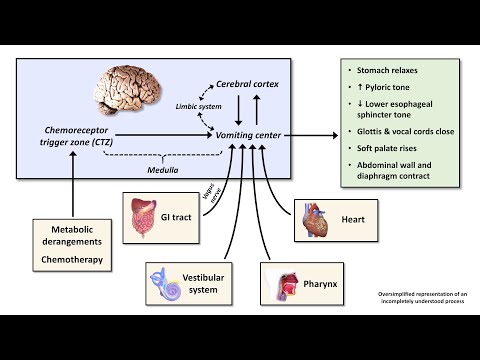
The information provided in this article is intended solely for general informational and educational purposes. It does not constitute medical advice, diagnosis or professional treatment, and should not be considered a substitute for consultation with a qualified doctor or other licensed healthcare professional. Any health-related decisions should be made in consultation with accredited medical professionals.
While efforts have been made to ensure the information is accurate and up to date, no guarantees are given—either express or implied—regarding its accuracy, completeness, currency or suitability. Use of this information is at your own discretion.
It is strongly recommended to consult official sources such as the NHS (National Health Service) or other recognised medical institutions before acting on any information contained on this website or article. Under no circumstances should professional medical advice be ignored or delayed due to content read here.
This content is of a general and informational nature only. It is not intended to replace individualised guidance from a healthcare professional or to establish any doctor-patient relationship. The publication of this information does not imply any professional responsibility, guarantee or obligation on the part of the author or this site.
Have you ever felt that awful churn in your stomach, the kind that makes you wish you could just disappear? It’s more common than you might think. Nausea and vomiting can hit out of nowhere, turning ordinary days into a real struggle. Honestly, it can feel like your body is at war with itself.
But here’s the thing: understanding what causes these feelings can help you find effective treatments to deal with them. Whether it’s from a stomach bug, anxiety, or even something as simple as motion sickness, knowing the reasons behind your discomfort is key.
This article will break down the various causes of nausea and vomiting. We’ll also discuss treatments that can help ease those unsettling symptoms. Think of it as a friend sharing insights after finding their way through a similar experience.
Remember though, this content isn’t a substitute for medical advice. It’s always essential to consult a healthcare professional when health concerns arise. You deserve personalized care! So let’s dive in and unpack this topic together.
Quick Relief Techniques for Nausea That Work Fast
Understanding Nausea
Nausea is that uneasy feeling in your stomach, often making you want to avoid food or even throw up. It can happen for many reasons—maybe you ate too much, are anxious, or even sick. It’s kind of like when you’re on a roller coaster and your stomach drops; it just feels off.
Common Causes of Nausea
- Food-related issues: Spoiled food, overeating, or eating something that doesn’t sit well.
- Motion sickness: Some people feel nausea while traveling in a car or boat.
- Anxiety and stress: Emotional distress can trigger that uneasy feeling.
- Medical conditions: Conditions like migraines or infections may also cause nausea.
A Quick Relief Techniques
If you find yourself feeling nauseous, there are some techniques you might want to try for relief. They don’t work the same for everyone but hey, sometimes it’s worth a shot!
Breathe Deeply
Your breath can actually help here. Try taking slow, deep breaths through your nose and out through your mouth. Imagine you’re blowing up a balloon slowly; it calms the body down.
Sip Ginger Tea or Lemon Water
You’ve probably heard about ginger being good for upset stomachs. Drinking ginger tea may help settle things down. Or try lemon water—some people find its fresh taste soothing.
Aromatherapy
Certain scents can ease nausea. Lavender and peppermint oils are popular choices. Just take a whiff from the bottle or put a drop on a tissue and breathe in deeply. Smells have power!
Meditate or Relax
When to Seek Help
If nausea sticks around way too long—or if it’s accompanied by severe pain—then reaching out for medical advice would be smart moving forward. Everyone’s body reacts differently, so listening to yours is key here!
Nausea’s pretty common but annoying at times too! Just remember these quick techniques should help make that queasy feeling a bit more manageable when it strikes you out of nowhere.
Uncovering the Unexpected Triggers Behind Nausea and Vomiting
Understanding Nausea and Vomiting
Nausea and vomiting are more common than we think. Most people experience them at some point, often due to things like food poisoning, motion sickness, or even stress. But what if the triggers aren’t so obvious? Sometimes, the underlying reasons can be surprisingly complex.
Common Triggers
When you feel nauseous, it may be due to a virus or bacteria in your system. Think about how we feel after eating something that doesn’t sit well; our bodies react to protect us. Another usual suspect is motion sickness — you know, that dizzy feeling when you ride in a car or on a boat.
Unexpected Causes
But here’s where it gets interesting. Sometimes nausea isn’t just about food or travel. For instance, hormonal changes during menstruation can trigger nausea for many women. It’s kind of like your body throwing a little tantrum.
On top of that, certain medications might also play a role. Painkillers or even chemotherapy drugs can cause these feelings as side effects. If you’ve ever had surgery, you’ll know anesthesia can leave you feeling queasy as well.
Mental and Emotional Factors
Believe it or not, our emotions can impact our stomachs too! Anxiety and stress are big culprits here. When we’re anxious, our bodies release hormones that might affect how we digest food — leading to feelings of nausea.
Lifestyle Influences
You might not think about it much, but dehydration can also lead to nausea. You know how sometimes we forget to drink water during busy days? That could leave your stomach feeling upset.
Poor diet choices play their part too; eating too much junk food or irregular mealtimes might upset your digestive system and cause discomfort. It’s like trying to run a car on low-quality fuel — eventually, it’s gonna sputter!
Treatments and Coping Strategies
If you’re dealing with nausea often, some strategies could help ease those feelings without jumping straight into medication. Ginger tea is popular for soothing an upset stomach; many people swear by its calming effects.
- Eating small meals throughout the day rather than three big ones might help keep the nausea at bay.
- Avoiding overly greasy or spicy foods could make your tummy happier.
- If stress triggers your nausea, finding ways to relax—like mindfulness or yoga—can be beneficial too.
When To Seek Help
If you’re experiencing frequent nausea and vomiting that doesn’t seem normal for you—or lasts more than a couple of days—it’s probably time for some professional advice. Keep in mind that underlying conditions could require attention beyond home remedies.
Nausea and vomiting are complicated symptoms with many potential causes. Understanding yours is key when looking for relief! Staying aware of what affects your body means you’re one step closer to feeling better again!
Exploring the Hidden Triggers Behind That Unsettling Feeling
Understanding Nausea and Vomiting
Nausea and vomiting can feel really unsettling. Often, it’s our body’s way of saying something is off. It might be from a stomach bug, overindulgence at a dinner party, or even anxiety. Let’s break down what might be going on.
What Causes Nausea?
There are various reasons why you might feel nauseous. Think about the last time you rode a roller coaster—your stomach probably flipped. That’s called motion sickness, which happens when your inner ear senses movement differently than your eyes do.
Sometimes, eating spoiled food can lead to nausea too. It triggers your body to reject what could make you sick. It’s like your digestive system sending out an SOS! Additionally, strong smells or sights can also contribute. Ever noticed how some people feel nauseous when they smell certain perfumes? That happens because our brains connect scents with memories.
Anxiety and Stress
Don’t underestimate the power of your mind! Stress or anxiety can manifest physically in many ways, including feeling nauseous. When you’re feeling anxious, your body goes into fight-or-flight mode which can upset your stomach.
When to Seek Help
If nausea comes with severe pain or lasts for several days, it may be time to consult someone who knows more about these things—like a healthcare professional. They can provide guidance based on specific symptoms and medical history.
Treatments for Nausea
Now let’s talk treatments. Ginger tea is a common home remedy that many find soothing for their tummies; ginger has shown some promise in easing nausea for some folks.
- Staying hydrated is essential; drinking clear fluids helps keep dehydration at bay.
- A little fresh air might do wonders—consider stepping outside for a few deep breaths if you’re feeling queasy.
- Pacing yourself with meals can help too; smaller portions often sit better in the stomach than large ones.
The Importance of Listening to Your Body
Your body knows itself best! If something doesn’t feel right after eating or during stressful situations, take note and adjust accordingly. Keeping a journal of foods and feelings could also help spot patterns that trigger that unsettling feeling.
The key thing is being aware of what works for you personally while respecting signals from your body—it has so much to say! Remember though, talking it through with someone who understands the complexities can clarify things even more!
Understanding nausea and vomiting can feel overwhelming at times, but breaking it down helps. Nausea is that uneasy feeling in your stomach, often leading to vomiting, which is the body’s way of expelling something it finds harmful.
Common causes include infections, motion sickness, certain medications, and even stress. It’s like when you eat something spoiled; your body reacts naturally to get rid of it. Sometimes though, nausea might not have an immediate cause or be linked to more serious issues like migraines or gastrointestinal disorders.
Treating these symptoms often involves a mix of lifestyle changes and medications. Ginger tea might help settle your stomach. For severe cases, doctors may prescribe anti-nausea medications that prevent those uncomfortable feelings from creeping up.
Recognizing individual triggers is key too. Some may find certain smells or foods make their nausea worse, while others might respond positively to relaxation techniques. Actually paying attention to what works for you can improve your quality of life significantly.
Awareness about mental health’s role cannot be overlooked either. Anxiety and depression can exacerbate nausea and vomiting symptoms. Understanding this connection helps in crafting a more holistic treatment approach—not just for the physical symptoms but also for emotional well-being.
Ultimately, while nausea and vomiting can stem from many causes and have varied treatments, taking a comprehensive view empowers individuals in managing their health better.