The information provided in this article is intended solely for general informational and educational purposes. It does not constitute medical advice, diagnosis or professional treatment, and should not be considered a substitute for consultation with a qualified doctor or other licensed healthcare professional. Any health-related decisions should be made in consultation with accredited medical professionals.
While efforts have been made to ensure the information is accurate and up to date, no guarantees are given—either express or implied—regarding its accuracy, completeness, currency or suitability. Use of this information is at your own discretion.
It is strongly recommended to consult official sources such as the NHS (National Health Service) or other recognised medical institutions before acting on any information contained on this website or article. Under no circumstances should professional medical advice be ignored or delayed due to content read here.
This content is of a general and informational nature only. It is not intended to replace individualised guidance from a healthcare professional or to establish any doctor-patient relationship. The publication of this information does not imply any professional responsibility, guarantee or obligation on the part of the author or this site.
Ever felt that twist in your stomach right before a big presentation? You’re not alone. Anxiety can mess with our bodies in ways we often don’t expect. One common and frustrating symptom is nausea, which can leave you feeling pretty awful.
Understanding anxiety nausea is crucial. It’s more than just butterflies in your stomach—it’s a physical reaction to stress and worry. Sometimes, it sneaks up on us during everyday situations, making life feel overwhelming.
This article will break down what causes anxiety nausea and explore effective ways to find relief. We’ll look at the science behind it, practical tips for managing those unsettling feelings, and how to take back control of your body.
Your health is important, so remember that this content isn’t a substitute for professional medical advice. Making health decisions should never hinge solely on what you read here; it’s always best to consult a healthcare professional for guidance tailored to your needs.
So, if anxiety nausea feels like an unwelcome companion in your life, keep reading! You might just discover some strategies that work for you.
Understanding the Connection Between Your Mind and Stomach
Hey, have you ever felt queasy right before a big presentation or exam? You’re definitely not alone. The connection between our mind and stomach is really fascinating and can explain why we sometimes feel nauseous when anxious.
The Gut-Brain Axis
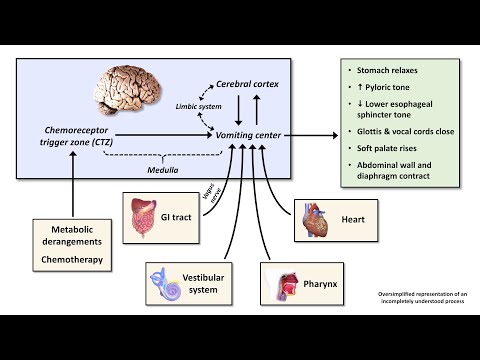
So, here’s the thing: scientists talk about something called the gut-brain axis. It’s like a communication highway between your brain and your gut. Think of it as a two-way street where both can send signals to each other.
When you’re stressed or anxious, your brain sends signals that can affect how your stomach works. This can lead to feelings of nausea or even an upset stomach.
Why Anxiety Causes Nausea
Anxiety can trigger a “fight or flight” response in our body. When you’re in danger—like encountering a lion (not likely, I know)—your body prepares to escape. That means diverting energy away from non-essential functions like digestion.
This is why you might experience nausea during stressful situations: your body is prioritizing survival over digestion! It’s literally trying to keep you alive.
Common Symptoms
- Nausea
- Stomach cramps
- Bloating
- Lack of appetite
Coping Strategies for Relief
You know, there are some strategies that people find helpful for dealing with anxiety-induced nausea. Here are a few:
- Breathe deeply: Slow, deep breaths can calm your mind and help settle your stomach.
- Stay hydrated: Sipping water may soothe an upset stomach.
- Mild snacks: Eating small amounts of bland foods like toast or crackers might help ease nausea.
The Role of Mindfulness and Relaxation Techniques
A lot of folks have found relief through mindfulness and other relaxation techniques. Practicing meditation or yoga helps some people become more aware of their thoughts and feelings without judgement.
If nausea becomes frequent or intense, it’s important to talk with someone who can help you out—like a healthcare professional. They can guide you on how best to handle symptoms and underlying anxiety issues.
Your Gut Matters!
The connection between your mind and stomach isn’t just about feeling bad during stress; it’s also about overall health. What we eat affects how we feel emotionally too! Keeping both aspects in harmony helps improve well-being along with alleviating those uncomfortable feelings in the pit of your stomach.’
Quick Strategies to Calm Your Mind and Find Peace
Understanding Anxiety Nausea
Anxiety nausea is that uncomfortable feeling you get in your stomach when you’re stressed or anxious. You know, it’s like when your brain is racing and your stomach does flips at the same time. This can happen in various situations—like before a big presentation or during tense moments.
At its core, anxiety triggers your body’s fight-or-flight response. This means, your brain sends signals to release hormones, causing physical changes. Sometimes it’s hard to manage these feelings and they manifest in ways you wouldn’t expect.
Causes of Anxiety Nausea
There are several reasons why someone might feel nauseous when anxious. One of the main causes is the way our body reacts to stress. When you’re stressed, blood gets redirected from the stomach to more vital organs for survival.
- Chemical Changes: Stress hormones like cortisol can upset your digestive system.
- Muscle Tension: Did you ever notice how tense your stomach feels when you’re worried? That tension can cause nausea.
- Mental Focus: Sometimes just thinking about feeling sick can make it worse—it becomes a cycle that’s tough to break!
Strategies for Calming Your Mind
The good news is there are many ways to ease anxiety-related nausea and find some peace of mind. Seriously! Here are some strategies that many people find helpful:
- Breathe Deeply: Slow breathing exercises can really help calm your nerves. Try inhaling through your nose for 4 seconds, holding for 4 seconds, then exhaling through your mouth for 6 seconds.
- Ground Yourself: Focus on what’s around you—what do you see, hear, and smell? This technique helps anchor you back into reality.
- Sipping Water: Sometimes drinking small amounts of water or herbal tea can settle an upset stomach.
- Aromatherapy: Scents like lavender or peppermint have soothing qualities that might help ease both nausea and anxiety.
A Few More Tips
You might also want to consider gentle movement like stretching or yoga. Well, not every pose suits everyone but some light movement could shift the energy in your body. Also, remember it’s okay to talk about how you’re feeling with someone who understands—sharing makes it less heavy!
If anxiety nausea becomes overwhelming or persistent, that’s something worth talking about with a professional—it’s always wise to seek support when needed! Remember that everyone experiences this differently and finding what works best for you may take time—and that’s perfectly okay!
Coping with Anxiety Nausea
Anxiety nausea certainly isn’t pleasant; it’s a reminder of how closely connected our mind and body really are. The key is learning simple strategies to cope better with those anxious moments while finding peace in daily life.
The more tools you have at hand—whether it be deep breathing or chatting with a friend—the better equipped you’ll feel during those intense times. Finding what helps calm *your* mind may be a journey worth embarking on!
Banish the Upset Stomach and Start Your Day with Confidence
An upset stomach can really ruin your day, right? You’re not alone in feeling this way, especially when anxiety is a factor. Let’s break it down in easy terms.
Understanding Anxiety Nausea
So, what’s this anxiety nausea everyone talks about? It’s that sick feeling in your stomach you might get when you’re nervous or stressed. It happens because of the connection between your brain and gut. Crazy, huh?
When you feel anxious, your brain sends signals to your gut that can cause discomfort. Imagine being on a roller coaster; the excitement can make you feel giddy but also a bit queasy.
Common Causes
Anxiety can come from various places—work stress, personal issues, or even big life changes. Sometimes, it sneaks up on you without warning. Stress isn’t just mental; it triggers physical reactions too.
- Fight or Flight Response: Your body gears up like it’s getting ready to run away from danger.
- Cortisol Levels: This stress hormone can mess with digestion and lead to feelings of nausea.
- Tension: Physical tension in your body can affect how your stomach feels.
Relief Strategies
You might be wondering what to do when those uneasy feelings hit. There are several strategies to help ease the situation.
- Deep Breathing: Take slow, deep breaths to calm both mind and body. Inhale through the nose for four counts, hold for four counts—and exhale slowly through your mouth.
- Stay Hydrated: Drink water throughout the day; dehydration can make nausea worse.
- Nourishing Yourself: Choose light meals—think crackers or toast—as heavy foods may contribute to more discomfort.
- Distract Yourself: Engage in an activity that requires focus—a good book or puzzle can shift attention from that upset feeling.
Avoiding Triggers
If certain situations make you anxious (like public speaking), recognize them ahead of time. That way, you can prepare strategies so they don’t sneak up on you unexpectedly. Think of it as packing an umbrella before rain hits!
The Importance of Support
You know what really helps? Talking about it! Sharing feelings with friends or family makes a huge difference sometimes. Just knowing someone understands takes a weight off your shoulders—and belly!
The Bottom Line
An upset stomach caused by anxiety is common and manageable with understanding and practice. Remember though: if symptoms persist or worsen, reaching out for professional advice is always smart. You’ve got this!
Understanding Anxiety Nausea: Causes and Effective Relief
Anxiety nausea is a real phenomenon that many people experience, often leaving them feeling uncomfortable and confused. It’s that uneasy, queasy feeling in your stomach when you’re stressed or anxious about something. So, what causes it? Well, when we face stress, our body enters a fight-or-flight mode. This activates the nervous system and can lead to physical symptoms like nausea.
Think of it this way: Imagine your body is like an overzealous alarm system. When a threat is perceived, it kicks into high gear and can cause all sorts of reactions—like racing heartbeats or butterflies in the stomach. That’s where anxiety nausea comes from.
Now, relief methods vary but understanding what works for you is key. Some find that breathing exercises help calm their minds and reduce physical discomfort. Others might rely on grounding techniques—like focusing on their surroundings—to ease the anxiety that leads to nausea.
Luckily, lifestyle changes can also be effective. Regular exercise releases endorphins which boost mood and help manage anxiety levels over time. Eating well can also play a part; sometimes being hungry only worsens feelings of nausea.
Honest conversations about health are important too. If anxiety nausea becomes persistent or disruptive, reaching out for support can make a real difference. Talking to friends or seeking professional advice should be seen as positive steps toward understanding your own mental health better.
In sum, recognizing how anxiety affects our physical state enables us to find more effective relief strategies while fostering greater awareness of our overall well-being.