The information provided in this article is intended solely for general informational and educational purposes. It does not constitute medical advice, diagnosis or professional treatment, and should not be considered a substitute for consultation with a qualified doctor or other licensed healthcare professional. Any health-related decisions should be made in consultation with accredited medical professionals.
While efforts have been made to ensure the information is accurate and up to date, no guarantees are given—either express or implied—regarding its accuracy, completeness, currency or suitability. Use of this information is at your own discretion.
It is strongly recommended to consult official sources such as the NHS (National Health Service) or other recognised medical institutions before acting on any information contained on this website or article. Under no circumstances should professional medical advice be ignored or delayed due to content read here.
This content is of a general and informational nature only. It is not intended to replace individualised guidance from a healthcare professional or to establish any doctor-patient relationship. The publication of this information does not imply any professional responsibility, guarantee or obligation on the part of the author or this site.
Understanding Vitamins and Supplements for Anxiety Relief
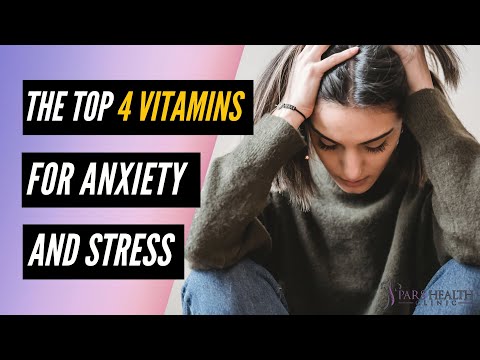
Have you ever felt that tightening in your chest when life gets overwhelming? You’re definitely not alone. Many folks experience anxiety, and it can really impact daily life. Sometimes, we look for relief in various places—like vitamins or supplements. You might have heard that certain nutrients can help ease anxiety symptoms.
But let’s be real: it’s confusing out there. There are so many options, and everyone seems to have an opinion on what works best. This article is designed to shed some light on how specific vitamins and supplements might play a role in managing anxiety.
We’ll dive into popular choices like magnesium, omega-3 fatty acids, and B vitamins, exploring what science says about their effectiveness. It’s important to understand that while these nutrients may benefit some individuals, they aren’t a magic fix.
This content doesn’t replace professional medical advice; always chat with a healthcare professional before making any health decisions based solely on what you read here. Let’s explore this together! Who knows? You might find something that resonates with you.
Unlock Your Calm: Discover the Top Supplements to Ease Stress and Anxiety
Understanding Vitamins and Supplements for Anxiety Relief
Feeling stressed or anxious is something we all experience at times. It’s like a cloud that just doesn’t seem to lift. And while there are many approaches to managing these feelings, some people turn to vitamins and supplements as part of their routine. But what do you need to know about them?
Vitamins That Might Help
Certain vitamins can play a role in supporting mental health. For instance, vitamin B complex is often linked to mood regulation. Think of it like fuel for your brain; without enough B vitamins, things can get a little shaky.
Vitamin D is another important player. It’s the sunshine vitamin! Low levels are connected to feelings of sadness or anxiety sometimes. Many people don’t get enough exposure to sunlight, especially in winter months.
Minerals Matter Too
Zinc and magnesium are minerals that many overlook. Zinc helps with neurotransmitter function—those are the chemical messengers in your brain, you know? Magnesium has a calming effect on the nervous system; it’s like the chill friend who keeps everyone relaxed during tense moments.
The Role of Omega-3 Fatty Acids
You might have heard about omega-3s before. These fatty acids found in fish oil are not just good for heart health; they might also help with mood stabilization. They seem to support brain function which can be helpful when dealing with stress.
Herbal Supplements to Consider
Some herbs have been used for centuries to reduce stress and anxiety. For example, ashwagandha is often cited as an adaptogen—a fancy word for substances that help your body manage stress better.
L-theanine, commonly found in green tea, doesn’t just taste good but may also promote relaxation without making you sleepy! It’s like getting a calm boost while enjoying your favorite cup.
A Word of Caution
It’s important to remember that not every supplement works for everyone—and that’s okay! What works wonders for one person could have no effect on another person at all.
If you’re considering trying new supplements, it’s always smart to chat with someone knowledgeable first—like a healthcare pro or a nutritionist—to make sure they fit into your plan safely.
The Bottom Line
Supplements can offer support when you’re feeling overwhelmed but don’t forget that they’re just one piece of the puzzle. Regular exercise, good sleep habits, and talking things over with friends can make a big difference too!
- B vitamins: Fuel brain function
- Vitamin D: Mood enhancer from sunlight
- Zinc & Magnesium: Calm nerves & balance neurotransmitters
- Omega-3s: Support brain health & mood stabilization
- Ashwagandha & L-theanine: Herbs promoting relaxation
Sometimes it’s all about finding what works best for you personally; exploring different options can be part of that journey towards feeling calm and grounded.
Unlocking Calm: How Vitamins Can Help Ease Anxiety and Panic Attacks
Understanding Vitamins and Supplements for Anxiety Relief
Anxiety and panic attacks can be pretty overwhelming. You’ve probably heard about how vitamins might help calm those nerves, right? But what’s the real deal? Let’s break it down simply.
What are vitamins?
Vitamins are organic compounds that our bodies need to function properly. They play key roles in many bodily processes, including mood regulation. If you think of your body as a car, vitamins are like the fuel that keeps everything running smoothly.
Which vitamins are linked to anxiety relief?
- Vitamin B complex: This group includes eight different B vitamins. Some studies suggest they may help reduce feelings of anxiety and improve mood.
- Vitamin D: Often called the “sunshine vitamin,” it’s not only good for bones but also linked to mood stability. Low levels have been associated with increased anxiety.
- Magnesium: Technically a mineral, magnesium is often mentioned alongside vitamins for its calming effects. It helps regulate neurotransmitters that send messages throughout the nervous system.
How do these vitamins work?
The body needs certain nutrients to produce neurotransmitters like serotonin and dopamine—these are chemicals that influence our mood. Without enough of these nutrients, you might feel more anxious or irritable.
A simple way to think about it is: if your body is missing important parts, it may struggle to fix itself emotionally or mentally, just like a broken machine without tools.
Can supplements replace other treatments?
Nope! Using supplements shouldn’t replace any professional treatment you’re receiving for anxiety or panic disorders. They can be supportive but they aren’t substitutes for therapy or medication when needed. It’s all about balance!
If you’re considering taking supplements, it’s wise to talk things over with a health care provider first—especially if you’re already on meds or have other health conditions.
A healthy lifestyle also matters
You know how they say “you are what you eat”? Well, incorporating a balanced diet can make a difference in overall mental well-being too! A mix of whole foods including fruits, vegetables, lean proteins and whole grains provides essential nutrients naturally.
Caveats about vitamins
- Your body doesn’t absorb supplements as well as nutrients from food. So while popping pills may seem easier sometimes; getting nutrients from a healthy diet generally works better.
- Taking too much of certain vitamins can actually lead to problems rather than helping—like toxicity! Always stay within recommended levels if you’re supplementing.
Taking steps forward
If anxiety has become part of your daily life, evaluating your vitamin intake might be one piece of the puzzle—but there’s no magic answer here. Look at this journey holistically: consider stress management techniques like mindfulness practices and exercise alongside nutritional support!
The journey isn’t linear; some days will feel better than others—and that’s okay! Find what works best for your mind and body through exploration—and remember that support is vital along the way!
Discover the Natural Boost for Your Mind and Mood
Understanding Vitamins and Supplements for Anxiety Relief
Anxiety can feel overwhelming, right? It affects many people. Some look to vitamins and supplements as potential helpers for their mind and mood. Let’s break this down.
Vitamins: The Basics
Vitamins are essential nutrients your body needs to function properly. They’re like little helpers in the body. For example, Vitamin B complex is often talked about in relation to mood. These vitamins play a role in producing brain chemicals that affect how we feel.
Vitamin D: The Sunshine Vitamin
Ever heard of Vitamin D being called the “sunshine vitamin”? That’s because our bodies make it when we’re exposed to sunlight. Studies suggest that low levels of Vitamin D might be linked to feelings of anxiety or depression. When we don’t get enough sun, it can sometimes bring us down a bit.
Omega-3 Fatty Acids: More Than Just Fish
You might have heard about omega-3 fatty acids from fish oil supplements. These fats are good for your heart, but they also might help with mood regulation. Some research suggests they could reduce anxiety symptoms, especially in people with anxiety disorders.
Magnesium: The Relaxation Mineral
Magnesium is another important player here. It helps regulate neurotransmitters—those are chemicals that send messages in the brain. Low magnesium levels have been linked to increased anxiety and stress levels among some individuals.
L-theanine: A Natural Calm
L-theanine is found in green tea and is known for its calming effects without making you sleepy. Think of it as a cozy blanket for your mind! It might help lower stress levels and promote relaxation without causing drowsiness.
The Importance of Food Quality
The food you eat impacts how you feel too! A balanced diet rich in fruits, vegetables, whole grains, lean proteins, and healthy fats can support overall mental health. Sometimes it’s easy to overlook diet when dealing with worries or sadness.
Picking Supplements Wisely
If you’re considering vitamins or supplements for anxiety relief, always do some research first—you’re doing great just by asking questions! Not every supplement works for everyone; individual responses vary widely due too different factors like genetics or lifestyle.
- Consulting a healthcare provider may be smart before starting anything new.
- Look out for quality brands; they’re not all created equal!
- Keep track of how you feel once you start taking something; changes take time!
A Holistic Approach is Key
Anxiety management isn’t just about popping pills or taking powders; it’s a combination of factors like proper nutrition, physical activity,, mindfulness techniques like meditation or deep breathing exercises may also play roles worth exploring.
You don’t have to figure everything out at once — take small steps toward better mental health! Remember each person’s journey looks different; what’s helpful for one may not work the same way for another.
Understanding Vitamins and Supplements for Anxiety Relief
Anxiety can feel overwhelming, and many people look for ways to cope. Some turn to vitamins and supplements, hoping they’ll provide relief. But it’s important to approach this topic with a clear understanding.
First off, let’s talk about vitamins. These are essential nutrients our bodies need to function properly. For example, Vitamin B6 plays a role in serotonin production—a chemical that helps regulate mood. Other vitamins like D and E also have been studied for their potential effects on anxiety levels.
Supplements may offer some benefits but they’re not a magic solution. Omega-3 fatty acids, often found in fish oil, have shown promise in reducing anxiety symptoms for some individuals. However, the evidence is mixed—what works for one person might not work for another.
It’s crucial to note that relying solely on supplements without addressing underlying issues can be misleading. A balanced diet, regular exercise, and counseling should also play significant roles in managing anxiety.
A lot of folks wonder about herbal supplements too. Things like ashwagandha or valerian root are popular choices. Some people report positive experiences but the science isn’t conclusive yet; more research is needed.
Honestly, consulting with a healthcare provider is essential before starting any new vitamin or supplement regimen. They can help you understand what’s necessary based on your health history and current medications.
Also remember: while it’s tempting to search for quick fixes during stressful times, true relief often requires a multifaceted approach including lifestyle changes alongside any supplementation.
This isn’t an exhaustive answer by any means; it’s simply meant to provide some insights into how vitamins and supplements might interact with anxiety management strategies.