The information provided in this article is intended solely for general informational and educational purposes. It does not constitute medical advice, diagnosis or professional treatment, and should not be considered a substitute for consultation with a qualified doctor or other licensed healthcare professional. Any health-related decisions should be made in consultation with accredited medical professionals.
While efforts have been made to ensure the information is accurate and up to date, no guarantees are given—either express or implied—regarding its accuracy, completeness, currency or suitability. Use of this information is at your own discretion.
It is strongly recommended to consult official sources such as the NHS (National Health Service) or other recognised medical institutions before acting on any information contained on this website or article. Under no circumstances should professional medical advice be ignored or delayed due to content read here.
This content is of a general and informational nature only. It is not intended to replace individualised guidance from a healthcare professional or to establish any doctor-patient relationship. The publication of this information does not imply any professional responsibility, guarantee or obligation on the part of the author or this site.
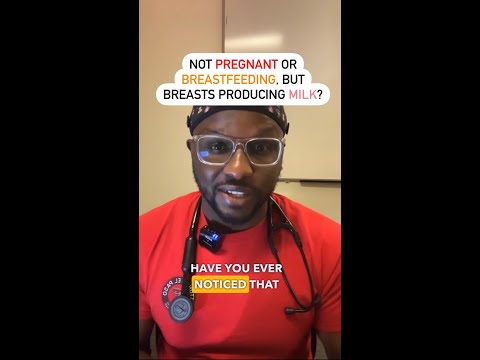
Have you ever wondered how it’s possible to produce milk without ever having been pregnant? It might sound strange, but lactating without pregnancy is a real condition that many people experience. This can be surprising or even concerning for those who find themselves in this situation.
Imagine waking up one day and noticing that you’re leaking milk. It’s not just a weird fluke; there could be underlying reasons for it. Understanding lactation, even when there’s no pregnancy involved, is vital. Whether due to hormonal imbalances or certain medical conditions, these symptoms can affect anyone.
This article aims to shed light on the key symptoms associated with lactating without being pregnant. We’ll discuss effective treatments and what you can do if you find yourself dealing with this issue.
It’s important to note that this content doesn’t replace professional medical advice. Making health decisions should always involve a healthcare provider who knows your unique situation best.
Arming yourself with knowledge can lead to better health outcomes and help alleviate any worries you might have about this condition.
Understanding Unexpected Breast Milk Production in Non-Pregnant Individuals
Breast milk production can sometimes happen in individuals who aren’t pregnant. This condition is called galactorrhea, and it can catch you off guard if you’re not expecting it. So, what causes it? Let’s break this down.
What is Galactorrhea?
Galactorrhea refers to the unexpected flow of milk from the breast. It can occur in women and even men, which many people find surprising. It’s not always related to childbirth or breastfeeding.
Common Causes
- Hormonal Changes: Imbalances in hormones like prolactin can trigger milk production. Prolactin is a hormone that plays a key role in lactation.
- Certain Medications: Some medications, including certain antidepressants and blood pressure drugs, might stimulate breast milk production as a side effect.
- Pituitary Gland Issues: Problems with the pituitary gland—a small gland at the base of your brain—can increase prolactin levels and lead to galactorrhea.
- Physical Stimulation: Frequent stimulation of the breasts or nipples, for example through sexual activity or certain injuries, may also cause this condition.
Symptoms You Might Notice
The most obvious symptom is the discharge of milk from your nipples. This might happen spontaneously or only when you squeeze them lightly. Sometimes there could also be changes like breast tenderness or an unusual feeling in your breasts.
Treatment Options
If someone is experiencing unexpected breast milk production, it’s important to check with a healthcare provider to identify the cause. Treatment really depends on what’s causing it; for instance:
- If medication is causing the issue, adjusting it could help.
- Pituitary problems might require further treatment from a specialist.
- Lifestyle adjustments and stress reduction techniques may assist if hormonal fluctuations play a role.
Myths and Misunderstandings
You might hear various myths about lactating without pregnancy; for example, some folks think it’s always linked with serious health issues. But often it’s just hormonal or related to other less concerning factors. Each case is unique!
A Final Note on Awareness
If you’re facing this situation or know someone who is—it’s essential to approach it with care and understanding. There’s no need for panic! Just reaching out for guidance can make all the differenceing in resolving any concerns you might have regarding unexpected breast milk production.
Exploring the Surprising Truth Behind Unusual Lactation
Understanding Unusual Lactation
Lactation is commonly associated with pregnancy and childbirth. However, some individuals may experience milk production without being pregnant. It’s a bit unusual but not unheard of.
What Causes Lactation Without Pregnancy?
There are several reasons why someone might lactate even when they’re not pregnant or breastfeeding. Hormonal imbalances play a big role. For example, high levels of prolactin—a hormone that stimulates milk production—can occur due to various factors.
Stress can also contribute. It’s fascinating how our bodies react to stress in different ways, including hormonal changes that might trigger lactation. Certain medications or medical conditions, like thyroid disorders or pituitary tumors, can lead to unexpected milk production too.
Key Symptoms of Unusual Lactation
- Fluid leakage from the nipples
- A change in breast size or sensitivity
- Painful breasts or discomfort
- Irregular menstrual cycles
If you notice these symptoms, it could be worth discussing them with a healthcare provider. They’ll help determine the underlying cause and suggest appropriate actions.
Treatment Options Available
Treating unusual lactation typically depends on the underlying cause. If hormonal issues are at play, your doctor might recommend medication to balance hormone levels.
If stress is a factor, finding effective stress management strategies—like exercise or meditation—might be helpful too. Also, eliminating certain medications that could be causing the issue might be an option as well.
A Few Myths Busted
- You can’t breastfeed without pregnancy: It’s possible to produce milk without ever having been pregnant.
- Lactation means you’re “sick”: While it can signal health issues, many factors contribute and aren’t always serious.
- Lactating women can’t get pregnant: Some women continue ovulating and may conceive while lactating.
You know? It’s essential not to jump to conclusions based solely on nursing signs alone; always seek proper advice for comprehensive understanding.
The Bottom Line
If you’re experiencing unusual lactation, remember it’s okay to ask questions and seek guidance. Knowledge is key for understanding what’s happening in your body! Each case is unique, and having open conversations with health professionals helps create personalized solutions that fit your needs better!
Unlocking Relief: Effective Strategies for Managing Galactorrhea
Understanding Galactorrhea
Galactorrhea is when someone produces breast milk or milk-like fluid without being pregnant. It’s kinda unusual, but it can happen to anyone, regardless of gender. The causes can range from hormonal imbalances to certain medications.
Common Symptoms
Besides the obvious milk production, there are a few other symptoms you might notice. Sometimes people experience changes in their menstrual cycle or even infertility. Some might find their breasts feeling tender or see other unexpected changes.
Hormonal Influences
The main hormone involved is prolactin. This hormone stimulates breast milk production. If levels are too high and there’s no pregnancy, galactorrhea can occur. Think of it like a car running on empty; if something’s off in your system, it might rev into gear for no reason.
Potential Causes
- Medications: Certain medications, like antipsychotics or antidepressants, can trigger this condition.
- Tumors: A noncancerous tumor on the pituitary gland (prolactinoma) can also be a culprit.
- Hypothyroidism: This is when your thyroid doesn’t produce enough hormones and leads to elevated prolactin levels.
- Stress: Believe it or not, chronic stress can mess with your hormone levels too.
Treatment Options
If you’re dealing with galactorrhea, treatments are available but they depend on what’s causing it. First step? Identifying the cause! Sometimes adjusting medication under a healthcare provider’s guidance is all that’s needed.
If it’s due to hormonal issues like hypothyroidism, treating that condition may resolve the galactorrhea as well. For tumors like prolactinoma, medications that lower prolactin could be recommended by doctors.
Lifestyle Changes
A lot of people wonder if lifestyle choices can help manage this issue. Managing stress through yoga or meditation could be beneficial since stress affects hormones directly. Maintaining a healthy diet and regular exercise contributes to better hormonal balance as well.
Mental Health Matters
This condition isn’t just physical; it impacts emotional well-being too! It’s normal to feel worried or anxious about unusual symptoms like leaking breast milk. Connecting with supportive friends or talking to a counselor could help ease emotional burdens related to galactorrhea.
The Bottom Line
If you notice any symptoms of galactorrhea, reaching out for medical advice is important! The underlying causes vary widely from harmless to more serious conditions. Understanding what’s going on inside your body helps in managing and coping with what’s happening outside too!
Lactating Without Pregnancy: Key Symptoms and Effective Treatments
Lactation usually follows pregnancy, but some individuals can produce milk without having been pregnant. This condition is called galactorrhea. It might sound unusual or even alarming, but it’s really just the body responding to certain stimuli.
Key Symptoms
The most obvious symptom is the production of breast milk. You might notice fluid leaking from the nipples, even if you’re not breastfeeding or pregnant. This can happen in one breast or both.
Other signs can include breast tenderness and changes in menstrual cycles. For some, a hormonal imbalance is the underlying cause.
Causes
There are various reasons for non-pregnancy lactation. Hormonal fluctuations play a major role. Conditions like prolactinoma—a noncancerous tumor of the pituitary gland—can lead to increased levels of prolactin, a hormone that stimulates milk production.
Stress, certain medications (like antipsychotics), or even excessive nipple stimulation can trigger lactation too!
Treatment Options
Treating galactorrhea often involves addressing the underlying cause. If it’s due to medication, discussing alternatives with your doctor may resolve the issue.
If hormonal imbalances are at play, doctors might recommend medications to regulate hormone levels. They could also suggest lifestyle changes to reduce stress or other contributing factors.
A Word on Awareness
If you experience unexpected lactation, it’s wise to consult a healthcare professional. Open communication is important—they can help pinpoint why it’s happening and guide you through possible solutions.
Understanding your body is essential. Whether it’s through medical advice or support from friends and family, navigating this condition can feel more manageable when you know you’re not alone in it.