The information provided in this article is intended solely for general informational and educational purposes. It does not constitute medical advice, diagnosis or professional treatment, and should not be considered a substitute for consultation with a qualified doctor or other licensed healthcare professional. Any health-related decisions should be made in consultation with accredited medical professionals.
While efforts have been made to ensure the information is accurate and up to date, no guarantees are given—either express or implied—regarding its accuracy, completeness, currency or suitability. Use of this information is at your own discretion.
It is strongly recommended to consult official sources such as the NHS (National Health Service) or other recognised medical institutions before acting on any information contained on this website or article. Under no circumstances should professional medical advice be ignored or delayed due to content read here.
This content is of a general and informational nature only. It is not intended to replace individualised guidance from a healthcare professional or to establish any doctor-patient relationship. The publication of this information does not imply any professional responsibility, guarantee or obligation on the part of the author or this site.
Ever looked in the mirror and wondered why your skin feels dull or congested? You’re not alone. Many of us struggle with skin issues, from dryness to breakouts. The truth is, our skincare routines might be part of the problem. But have you ever considered oil cleansing?
This method may sound counterintuitive since we often think of oil as something that contributes to clogged pores. However, oil has a unique way of attracting dirt and impurities. It’s like using a magnet to lift away all that grime from your skin.
In this article, we’ll explore the benefits of incorporating oil cleansing into your daily routine. We’ll discuss how it works, what types of oils to use, and how it can transform your skin over time. Whether you’re looking for hydration or simply a fresh start, this could really change things for you.
Just a heads-up: while this information aims to empower you in your skincare journey, it’s never a substitute for professional medical advice. Always consult with a healthcare professional before making significant changes to your routine.
A Journey from Glow to Grit: My Struggle with the Oil Cleansing Trend
Hey there! If you’ve stumbled onto the oil cleansing trend, you might wonder what it’s really about. So, let’s break it down.
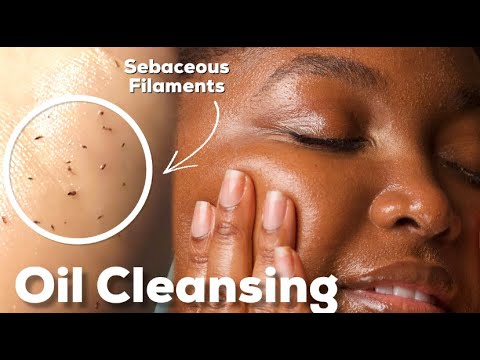
Oil cleansing involves using oils to cleanse your skin. Strange, right? Most people assume that oils make you oily. But here’s the thing: oil can actually help remove dirt and makeup effectively.
The Science Behind It
Think about it like this. You know how oil and water don’t mix? Well, oils can dissolve other oils, too— like sebum, the natural oil your skin produces. By applying an oil based cleanser, you’re breaking down impurities on your face.
A common choice is coconut oil. It smells great but may not be for everyone due to its comedogenic properties—that’s a fancy term for things that clog pores.
My Experience
When I first tried it, my skin felt so soft and clean! Honestly, I saw a glow after a few days. So why did my journey take a turn?
After some time, I noticed little bumps popping up on my forehead. Ugh! Turned out that certain oils didn’t work well with my skin type. It’s like being on a diet; sometimes what works for one person doesn’t for another.
Navigating Breakouts
If you’re prone to acne or have sensitive skin, using heavier oils might not be your best bet. But don’t give up! Consider lighter alternatives like jojoba or grapeseed oil—both are less likely to clog pores.
It’s important to listen to your own skin’s response—what feels good and what doesn’t? Don’t hesitate to switch things up if needed!
The Balance of Grit
You’ll probably experience some trial and error while figuring out this cleansing method. Like many skincare routines, it’s not all smooth sailing; there’s grit involved in finding what’s right for you.
A Final Thought
If you’re willing to experiment with different oils and formulations over time there could be potential benefits in terms of hydration and softness of the skin—but remember: patience is key!
- Start slow; maybe use it just a few times a week at first.
- The best routine is always tailored to your unique needs.
- If breakouts happen consistently despite trying lighter options…it might be worth consulting someone knowledgeable!
If nothing else, I learned that skincare can require persistence—a bit of “grit” amidst all that initial “glow.” And isn’t that the journey we’re all on?
Unlock Radiant Skin with the Art of Cleansing Oil
Understanding Oil Cleansing
So, let’s talk about oil cleansing. It might sound strange to wash your face with oil, right? But here’s the deal: oil attracts oil. This means that if you use an oil to cleanse your skin, it can help pull away dirt and makeup effectively.
You know how sometimes water alone just doesn’t cut it? Imagine trying to wash a greasy dish with just water. It usually needs some soap or something stronger. Oil cleansing works in a similar way; it’s like using that soap.
Why Choose Oil Cleansing?
When you use an oil cleanser, you’re helping balance your skin’s natural oils. If you strip your skin of its oils with harsh cleansers, it might produce even more oil to compensate. This can lead to problems like breakouts.
By using an oil cleanser, you’re washing away the impurities without over-drying your skin. People often notice their skin feels softer and looks more radiant after switching to this method.
The Art of Cleansing
Think of cleansing as a mini ritual. First, apply the oil onto dry skin with clean hands. Massage gently for about a minute; this helps the product break down any makeup or dirt.
Then, wet a cloth or splash some warm water on your face and continue massaging—it creates an emulsion that lifts everything off!
- Always remember to rinse thoroughly.
- You can follow up with a water-based cleanser if you prefer.
Choosing the Right Oil
You might be wondering which type of oil is best. There are many kinds out there: jojoba, coconut, almond—the options are plenty! Jojoba is often great for all skin types as it mimics our natural oils.
Coconut may be too heavy for some folks since it’s comedogenic—meaning it can clog pores for certain people—but others love its hydrating properties!
A Few Considerations
If you have super sensitive skin or specific conditions like eczema or rosacea, it’s wise to test a small patch first before diving in completely. Everyone’s skin reacts differently!
- A patch test helps prevent potential reactions.
- If irritation occurs, stop using that product immediately!
The Bottom Line
Oil cleansing isn’t just another beauty trend; it offers benefits that many find helpful in their routines. It works well for removing stubborn makeup and adds moisture back into the skin instead of stripping it away.
If you’re feeling adventurous in your skincare journey, give it a shot! Skin care is personal; what works wonders for one may not work at all for another—so don’t hesitate to experiment until you find what feels right!
Unlock Radiant Skin: Discover the Ultimate Oils for Oil Pulling Benefits
Understanding Oil Pulling and Its Benefits
Hey there! Let’s chat about oil pulling, which is more than just a buzzword in skincare. Basically, it involves swishing oil in your mouth for several minutes. Sounds odd? Think of it as giving your mouth a deep clean—like flossing, but with oil.
People mostly use coconut oil or sesame oil for this practice. Why these oils? Well, they have natural antibacterial properties. So when you swish them around, you’re helping to remove harmful bacteria from your mouth and gums.
The Connection Between Oil Pulling and Skin Health
You might wonder how oil pulling connects to skin health. When you do oil pulling, it can reduce the bacteria in your mouth, which is pretty cool! Less bacteria means less chance of inflammation elsewhere in the body, including on your skin.
But here’s where it gets interesting: some believe that since the skin is like a reflection of our inner health, improving oral hygiene could lead to clearer skin too. Think of it as treating your whole body right by starting from the inside out.
Why Choose Oil Cleansing?
Oil cleansing is somewhat different from oil pulling. With cleansing, you’re using oils to wash off dirt and makeup instead of swishing them around in your mouth. It sounds counterintuitive—using oil to clean—right? But oils dissolve other oils and grime effectively!
If you’re someone who struggles with dry skin or uses heavy makeup daily, switching to an oil-based cleanser might be a game-changer for you. It’s gentle and doesn’t strip away moisture like some soap-based cleansers do.
Selecting the Right Oils for Your Routine
- Coconut Oil: Popular choice; nourishing and has antifungal properties.
- Olive Oil: Rich in vitamins; great for hydration.
- Safflower Oil: Light on the skin; non-comedogenic (won’t clog pores).
- Jojoba Oil: Mimics natural skin oils; helps balance oily complexions.
You know what’s neat about these oils? They often come with additional benefits beyond just cleaning! For example, jojoba can help reduce sebum production over time while moisturizing at the same time.
The Experience of Trying It Out
If you decide to give either method a shot—oil pulling or cleansing—you might notice differences pretty quickly or maybe not at all at first! Give yourself some time; habits take time to form and become effective in their own ways.
This isn’t a magic fix nor should anyone treat it as such. Instead think of these practices as part of a broader skincare routine that includes hydration, balanced diet, and maybe even regular exercise!
A Few Things to Keep In Mind
- If you have allergies or sensitive skin conditions like eczema or rosacea… proceed cautiously!
- Avoid swallowing any oil after pulling—it’s full of toxins!
- Your results may vary from others; that’s totally normal! Everyone’s skin is different after all…
The biggest takeaway here? Embracing new routines like these can be fun and sometimes really beneficial but always pay attention to how your body reacts! If something feels off or irritates your skin more than normal, consider taking a break or adjusting what you’re doing.
Oil cleansing might sound counterintuitive, right? I mean, putting oil on your face, especially if you have oily skin, feels like a risky move. But hear me out. This method can actually transform your skincare routine.
The approach is pretty simple: oil attracts oil. When you apply an oil cleanser to your skin, it binds to the excess sebum and impurities. This helps lift away dirt without leaving your skin stripped of its natural oils.
Imagine trying to remove grease from a dish with water alone; it just doesn’t work well. Oil is more effective in breaking down that stubborn grime. Similarly, using an oil cleanser can help dissolve makeup and pollutants better than traditional soap-based cleansers.
People often worry about clogged pores when using oils. The cool thing is that many oils used for cleansing are non-comedogenic, which means they won’t clog pores. Ingredients like jojoba and argan oil are highly recommended for their skin-friendly properties.
Another perk? Oil cleansing typically leaves your skin feeling moisturized rather than dry or tight. This can be especially nice during colder months when dryness is common.
If you’re wondering how to incorporate this into a routine, it’s quite easy. Just start with dry hands and a dry face, massage the oil into your skin for about 1-2 minutes, then rinse with warm water or use a damp cloth.
The bottom line is that switching to an oil cleansing method could really enhance your skincare game while providing deep cleaning benefits.