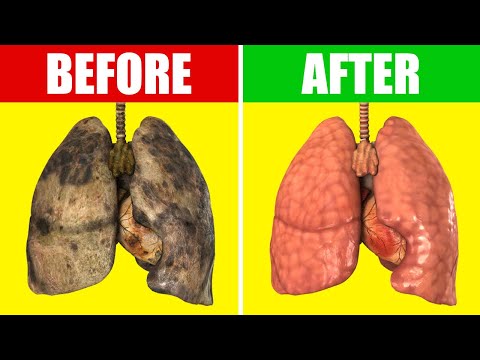
Have you ever heard the term “lung detox”? It sounds intriguing, doesn’t it? Many people wonder if they can cleanse their lungs to remove harmful substances, like toxins or mucus. It’s a concept often linked to better breathing, enhanced energy levels, and improved overall health. But is lung cleansing really possible? Let’s delve into this topic together.
Our lungs work tirelessly to filter the air we breathe and expel waste products. However, the idea of specifically “detoxing” them can be misleading. While there are practices that may support lung health—like quitting smoking or practicing deep breathing exercises—it’s essential to understand what truly benefits our respiratory system.
Warning: Before embarking on any lung detox regimen, it’s vital to consult with various specialists and explore reliable sources of information. Misinformation can lead you astray and potentially harm your health. Always make informed decisions based on evidence and expert advice. Your lungs deserve the best care possible!
The information provided in this article is intended solely for general informational and educational purposes. It does not constitute medical advice, diagnosis or professional treatment, and should not be considered a substitute for consultation with a qualified doctor or other licensed healthcare professional. Any health-related decisions should be made in consultation with accredited medical professionals.
While efforts have been made to ensure the information is accurate and up to date, no guarantees are given—either express or implied—regarding its accuracy, completeness, currency or suitability. Use of this information is at your own discretion.
It is strongly recommended to consult official sources such as the NHS (National Health Service) or other recognised medical institutions before acting on any information contained on this website or article. Under no circumstances should professional medical advice be ignored or delayed due to content read here.
This content is of a general and informational nature only. It is not intended to replace individualised guidance from a healthcare professional or to establish any doctor-patient relationship. The publication of this information does not imply any professional responsibility, guarantee or obligation on the part of the author or this site.
Unpacking the Myths and Realities Behind Lung Detoxification
The concept of “lung detoxification” has become quite popular in recent years. Many people are searching for ways to cleanse their lungs, especially due to concerns about air pollution and smoking. But is this really possible?
First, let’s clarify what lung detoxification means. Some folks think it involves using certain products or diets to clear out toxins from the lungs. However, it’s important to understand that our bodies are already equipped with a natural detox system.
The lungs work tirelessly every day. They filter out dust, pollutants, and germs through mucus and tiny hairs called cilia. This means that our lungs don’t need cleansing in the way we might think.
Here are some common myths surrounding lung detox:
Many products claim to do this, but they often lack scientific backing. Your body doesn’t rely on teas for detox; it relies on organs like the liver and kidneys.
While steam can provide temporary relief for congestion, it doesn’t actually remove toxins. It may help with symptoms but won’t change lung health fundamentally.
A healthy diet supports overall wellness but isn’t a magic solution for lung issues. Eating fruits and veggies is great for your immune system though!
To genuinely support lung health, consider these strategies:
Maintaining good indoor air quality matters too. Consider using air purifiers and regularly ventilating your home.
In summary, while the idea of “lung detox” sounds appealing, it’s largely a myth. Instead of seeking quick fixes or gimmicks, focus on consistent lifestyle choices that enhance overall health.
Always remember: if you have concerns about your lung health or breathing issues, consult a healthcare professional for personalized advice tailored to your needs. Your well-being deserves careful attention!
Discovering Ways to Breathe Easier and Revitalize Your Lungs
Breathing is essential for life. Our lungs play a vital role in this process. They help us take in oxygen and expel carbon dioxide. But sometimes, we might feel like our lungs need a little extra care.
The idea of “cleansing” or detoxing the lungs has become popular. People wonder if it’s really possible to clear out pollutants or toxins from their lungs. The simple truth is that your body already does a great job at this.
Our lungs have natural defense mechanisms. They trap dust, allergens, and harmful substances through tiny hairs called cilia and mucus. When we cough or sneeze, we help remove unwanted particles.
However, some factors can affect lung health over time:
To breathe easier and support lung health, consider these practices:
Stay Active: Regular exercise promotes better lung function. Activities like walking, swimming, or cycling can strengthen your respiratory muscles.
Practice Deep Breathing: Deep breathing exercises can help maximize lung capacity. Try inhaling slowly through your nose and exhaling through your mouth.
Avoid Smoking: Quitting smoking is one of the best decisions for your lung health. If you don’t smoke, avoid exposure to secondhand smoke.
Stay Hydrated: Drinking plenty of water helps keep mucus thin in your airways, making it easier to breathe.
Create a Clean Environment: Reduce exposure to indoor pollutants like dust and pet dander by cleaning regularly and using an air purifier.
It’s also important to eat well for overall health. A diet rich in fruits and vegetables can provide antioxidants that support your body’s defenses against damage from pollution.
Many people wonder about specific detox diets or products claiming to cleanse the lungs. It’s important to approach these with caution as most lack scientific backing.
Instead of looking for quick fixes, focus on maintaining good lifestyle habits that promote healthy lungs over time.
And remember: If you have concerns about your lung health or experience breathing difficulties, reaching out for professional guidance is the best step you can take. Taking care of yourself is always wise!
Exploring the Connection Between Exercise and Lung Health
Exercise and lung health are closely connected. Engaging in physical activity can enhance the efficiency of your lungs. It’s like tuning a musical instrument; regular use helps it perform better.
When you exercise, your body demands more oxygen. This pushes your lungs to work harder, increasing their capacity. Think of it as a workout for your respiratory system.
Here are some key points about exercise and lung health:
It’s essential to note that not all exercises affect lung health equally. Aerobic activities are generally more beneficial than anaerobic ones. Aerobic means “with oxygen,” like jogging or cycling.
Many people wonder about ‘lung detox’ or cleansing methods that promise purer lungs. Unfortunately, our bodies have a natural way of cleansing themselves. The lungs filter out particles and toxins from the air we breathe.
However, certain practices can support lung health:
It’s important to be aware of myths surrounding “cleansing” treatments. Many products claiming to detoxify or clean the lungs lack scientific backing.
At times, people may feel overwhelmed by environmental toxins. Staying physically active can help mitigate some impacts on lung health caused by pollution and allergens.
In summary, while you can’t ‘cleanse’ your lungs in a trendy way, you can definitely improve their function through regular exercise. Staying active is one of the best decisions for nurturing not just your lungs but overall well-being too.
Always remember that if you have specific concerns about your lung health or exercise routines, consult with a qualified professional for tailored advice. Your body is unique, and what’s right for one person might not be best for another!
The concept of lung detoxification is a topic that often generates considerable debate. Many people seek ways to cleanse their lungs, driven by the belief that exposure to pollution, smoking, or other environmental toxins necessitates a thorough “detox.” However, it’s important to approach this idea with a balanced perspective.
Firstly, our lungs are remarkably resilient organs. They have built-in mechanisms for self-cleaning. For instance, tiny hair-like structures called cilia work tirelessly to sweep away dust and mucus. This natural defense system helps keep our airways clear and functions effectively without needing external cleansing methods.
Moreover, the idea of detoxing suggests an urgency to eliminate toxins quickly. However, the body already has sophisticated processes in place—primarily through the liver and kidneys—that filter out harmful substances over time. Instead of seeking quick fixes or detox programs that claim to “cleanse” our lungs, focusing on maintaining overall lung health is more beneficial.
These lifestyle choices significantly contribute to lung health rather than any notion of “detoxification.”
In summary, while the desire for cleaner lungs is understandable, we must be cautious about quick fixes. Prioritizing healthy habits is far more effective and sustainable than any proposed lung cleansing regimen. Stay informed and make decisions based on evidence and critical thinking rather than popular trends.