The information provided in this article is intended solely for general informational and educational purposes. It does not constitute medical advice, diagnosis or professional treatment, and should not be considered a substitute for consultation with a qualified doctor or other licensed healthcare professional. Any health-related decisions should be made in consultation with accredited medical professionals.
While efforts have been made to ensure the information is accurate and up to date, no guarantees are given—either express or implied—regarding its accuracy, completeness, currency or suitability. Use of this information is at your own discretion.
It is strongly recommended to consult official sources such as the NHS (National Health Service) or other recognised medical institutions before acting on any information contained on this website or article. Under no circumstances should professional medical advice be ignored or delayed due to content read here.
This content is of a general and informational nature only. It is not intended to replace individualised guidance from a healthcare professional or to establish any doctor-patient relationship. The publication of this information does not imply any professional responsibility, guarantee or obligation on the part of the author or this site.
Hey, have you ever heard of a joint pain condition that could actually affect your fingers and toes? It’s called DIP psoriatic arthritis. It’s not just something for the aging crowd; younger people can experience it too. If you’ve noticed swelling, stiffness, or even some nail changes, you might be wondering what’s going on.
This article dives into the symptoms and treatments for DIP psoriatic arthritis. You’ll learn about how it differs from other types of arthritis and why it matters to catch it early. Understanding this condition can empower you to take control of your health.
Honestly, living with any form of arthritis can be frustrating and sometimes isolating. But knowing what you’re up against can help ease some anxiety. While this content will give you valuable insights, remember that it’s crucial to consult a healthcare professional for personalized advice tailored to your needs.
So let’s get started on this journey together—because understanding is the first step toward managing better health.
Discover the Unique Forms of Psoriatic Arthritis and How They Affect You
Understanding DIP Psoriatic Arthritis
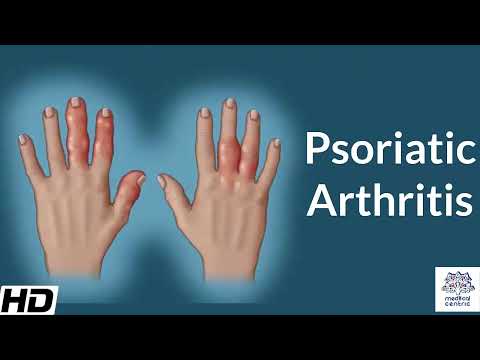
Psoriatic arthritis (PsA) is a type of inflammatory arthritis that often occurs in people with psoriasis, a condition that causes red, scaly patches on the skin. One specific form of this disease is called distal interphalangeal (DIP) psoriatic arthritis. This affects the small joints at the tips of your fingers and toes.
So, what does this really mean for you? Well, if you have DIP psoriatic arthritis, you may experience pain and stiffness primarily in those little joints. It can make everyday tasks like typing or buttoning your shirt feel challenging.
Symptoms to Look Out For
- Pain and swelling in the fingers or toes
- Stiffness, especially after resting or in the morning
- Changes in nail appearance—like pitting or separation from the nail bed
- Occasionally, mild redness around affected joints
You know how sometimes when it rains, your knees might ache a bit more? Well, many people with DIP psoriatic arthritis say they notice their symptoms can flare up due to weather changes or even stress.
Treatments Available
The treatment for DIP involves managing pain and inflammation. Over-the-counter medications like ibuprofen can help some folks. However, it’s essential to tailor treatment based on individual needs.
In some cases, doctors might prescribe stronger medications called disease-modifying antirheumatic drugs (DMARDs). These medicines aim to slow down the progression of joint damage—a bit like putting a barrier on your roof before it rains.
Lifestyle Adjustments Can Help
You could try physical therapy which helps strengthen your muscles around those joints and improves flexibility. Think about it as a workout for making daily tasks easier! Regular exercise—like walking or swimming—can also promote overall joint health.
Nutritional strategies matter too. Eating anti-inflammatory foods—like fatty fish rich in omega-3s or vibrant fruits and veggies—might help reduce inflammation over time.
A Final Thought
DIP psoriatic arthritis can be challenging but understanding it better is part of managing it effectively. If you’re experiencing any symptoms mentioned here, chatting with someone who knows your medical history can really clarify things further.
A Journey from Pain to Freedom: How I Found Relief and Reclaimed My Life
A Journey from Pain to Freedom: Understanding DIP Psoriatic Arthritis
Pain can be a heavy weight to carry. Imagine waking up every morning with stiff, sore fingers or toes. That’s what many people with distal interphalangeal (DIP) psoriatic arthritis experience. This condition is linked to psoriasis, a skin illness that can cause red patches and flaky skin.
Okay, so what exactly is DIP psoriatic arthritis? It primarily affects the small joints in your fingers and toes. Unlike some other types of arthritis, it often doesn’t impact the larger joints like knees or hips. Think of it as a nuisance in the little places where you might not expect it.
Symptoms
Identifying symptoms can be tricky sometimes. People may notice swollen joints, stiffness after resting, or even pain when gripping objects. You know, simple things like turning a doorknob or typing on your phone can become an effort.
Sometimes, these symptoms are accompanied by changes in your nails or patches of dry skin due to psoriasis. It’s kind of like having multiple issues happening at once—your body just feels out of sync.
Treatment Options
Now let’s touch on treatments. They vary widely depending on the individual and their specific needs. Some common approaches include medications such as nonsteroidal anti-inflammatory drugs (NSAIDs). These help ease pain and reduce swelling.
A doctor might also suggest disease-modifying antirheumatic drugs (DMARDs). These aren’t exactly quick fixes but are intended for long-term relief and prevention of joint damage.
Lifestyle Changes
The thing is, alongside medications, lifestyle changes play a big role too. Regular exercise can actually help maintain joint function and lessen stiffness over time—think walking or gentle yoga sessions.
Diet matters as well! Consuming more fruits and vegetables while cutting down on processed foods might make a difference in how you feel overall.
The Importance of Support
You’re not alone in this journey! Connecting with support groups where people share similar experiences helps immensely; they understand what you’re going through authentically. Sometimes just talking about things can lighten that heavy burden.
This journey from pain to freedom may not happen overnight but taking small steps each day helps reclaim your life gradually.I mean honestly, it’s about progress—not perfection!
Recognizing the Subtle Signs Before They Escalate
Understanding DIP Psoriatic Arthritis: The Basics
DIP, or distal interphalangeal psoriatic arthritis, is a type of inflammatory arthritis that mainly affects the joints closest to the fingertips and toes. It’s often linked with psoriasis, a skin condition that causes red patches covered with silvery scales. So, if you have psoriasis, it’s worth paying attention to your joints too.
Recognizing Early Symptoms
Sometimes it’s tough to notice early signs of DIP psoriatic arthritis. Swelling or tenderness in fingers and toes might be one of the first things you’ll see. Maybe you’ve noticed your nails changing? Pitting or splitting can actually be a clue.
- Pain in the affected joints; it can feel like throbbing or aching.
- Stiffness, especially in the morning or after long periods of sitting still.
- Nail changes: as mentioned before, look out for pitting.
You know? It’s not always obvious at first glance. Some folks might brush it off as normal wear and tear. But catching these symptoms early can make a difference later on.
The Importance of Early Recognition
If you pay attention to these subtle signs, you may manage treatment better down the line. Early intervention can slow down joint damage and improve quality of life. Think about it: catching something when it’s small is often easier than tackling it when it’s big and complicated.
- Regular check-ups with your health professional are also important; they can monitor any changes over time.
- A healthy lifestyle—eating well & staying active—might help reduce symptoms too.
Treating DIP Psoriatic Arthritis
Treatment options vary based on individual needs but generally include medications called nonsteroidal anti-inflammatory drugs (NSAIDs). These help reduce pain and swelling. You might also hear about disease-modifying antirheumatic drugs (DMARDs)—they aim to slow disease progression.
In some cases, physical therapy could help improve mobility and strength as well. So yeah, keeping those joints moving matters!
Conclusion: Being Proactive Matters
The key takeaway is pretty simple: listen to your body! If something feels off—like persistent joint pain or nail changes—don’t hesitate to talk about it. Recognizing those subtle signs early might just help keep complications at bay.
You know? Life’s too short to let discomfort take over! Keeping an open conversation with healthcare professionals ensures you’re not alone on this journey.
Understanding DIP Psoriatic Arthritis: Symptoms and Treatments
Psoriatic arthritis is often misunderstood, especially when it comes to the distal interphalangeal (DIP) joints. These joints are located at the tips of your fingers and toes, so it’s pretty important when you think about everyday tasks.
Patients with DIP psoriatic arthritis may notice swelling or pain in these specific areas—sometimes, it’s just one finger. It might feel like a little bit of a stiff knot in your knuckles, which can be both puzzling and frustrating.
Common symptoms include joint pain, swelling, and sometimes nail changes such as pitting or separation. You know how sometimes you get that dull ache after a long day? Imagine if that never really went away and was paired with visible swelling.
Treatment usually focuses on managing those symptoms. Nonsteroidal anti-inflammatory drugs (NSAIDs) are often used first; they help reduce inflammation and pain. Think of them like ice packs for your insides—soothing, right?
In some cases, doctors might recommend disease-modifying antirheumatic drugs (DMARDs). These are a bit more intense. They work to slow down the disease’s progression rather than just masking the pain.
It’s crucial to have an open dialogue with healthcare providers about what works best for you, because everyone’s experience is different. Engagement with physical therapy can also be beneficial—it’s all about keeping those hands moving!
If you’re experiencing symptoms related to DIP psoriatic arthritis or concerned you might have it, reaching out for professional insight is key. The earlier you address it, the better you’ll manage the condition long-term.