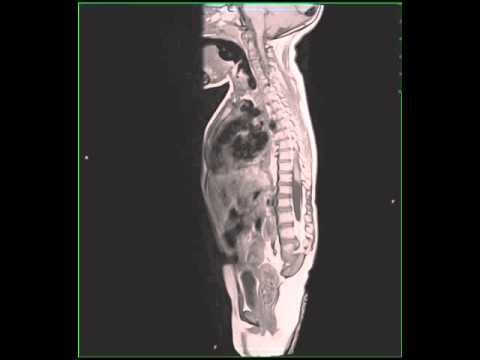
The information provided in this article is intended solely for general informational and educational purposes. It does not constitute medical advice, diagnosis or professional treatment, and should not be considered a substitute for consultation with a qualified doctor or other licensed healthcare professional. Any health-related decisions should be made in consultation with accredited medical professionals.
While efforts have been made to ensure the information is accurate and up to date, no guarantees are given—either express or implied—regarding its accuracy, completeness, currency or suitability. Use of this information is at your own discretion.
It is strongly recommended to consult official sources such as the NHS (National Health Service) or other recognised medical institutions before acting on any information contained on this website or article. Under no circumstances should professional medical advice be ignored or delayed due to content read here.
This content is of a general and informational nature only. It is not intended to replace individualised guidance from a healthcare professional or to establish any doctor-patient relationship. The publication of this information does not imply any professional responsibility, guarantee or obligation on the part of the author or this site.
Understanding Neck Arthritis: Symptoms, Types, and Treatments
Ever felt that nagging discomfort in your neck after a long day at work? You’re not alone. Neck arthritis is more common than you might think. In fact, it affects millions of people worldwide.
This condition can sneak up on you. At first, it might just seem like occasional stiffness or mild pain. But over time, these symptoms can become more persistent and troublesome. The thing is, neck arthritis doesn’t just come from age; injuries and even poor posture can play a significant role.
In this article, we’ll take a close look at neck arthritis—what it is, the different types you might encounter, and most importantly, the treatment options available to help manage the pain. Understanding your body and its signals is key to taking control of your health.
Please remember that while this information aims to educate and empower you, it doesn’t replace professional medical advice. Always consult a healthcare professional when making health decisions or if you’re experiencing symptoms.
Discovering Effective Ways to Relieve Neck Pain and Improve Mobility
Understanding Neck Arthritis
Neck arthritis, also known as cervical spondylosis, is a common condition. It happens when the cartilage in your neck joints starts to wear down. It’s somewhat like how the brakes on your car wear out over time—repeated use leads to some wear and tear.
Symptoms of Neck Arthritis
People often experience stiffness and pain in their neck. You might also notice difficulty turning your head or soreness that sometimes travels down your shoulders and arms. Imagine trying to rotate a rusty doorknob—that’s how stiff it can feel.
- Pain that worsens with movement.
- Feelings of tenderness in the neck area.
- Numbness or tingling in the arms.
- Headaches from the base of the skull.
Types of Neck Arthritis
There are mainly two types: osteoarthritis and rheumatoid arthritis. Osteoarthritis is due to general wear and tear, while rheumatoid arthritis is an autoimmune condition where the body’s immune system mistakenly attacks healthy joints.
Treatments for Neck Arthritis
Treatment usually focuses on relieving pain and improving mobility. Think about it like taking care of an old car—you want it to run smoothly again!
- Physical therapy: A professional can guide you through exercises that improve strength and flexibility.
- Pain relief medications: Over-the-counter options, like ibuprofen or acetaminophen, may help reduce discomfort.
- Corticosteroid injections: These shots can reduce inflammation directly in the joint area if needed.
- Lifestyle changes: Adjusting daily habits—like sitting up straight or using ergonomic furniture—can make a difference too.
Relieving Neck Pain at Home
You don’t always need fancy treatments! Simple things like applying heat or cold packs can soothe soreness—a warm towel might just feel sooo good after a long day. Also, gentle stretching can boost circulation and ease tightness—you could think about incorporating some yoga moves into your routine!
The Road Ahead
If you’re living with neck arthritis, managing pain might often require multiple strategies tailored just for you. Sometimes results take time; patience is key! Remember that it’s could be beneficial to consult with healthcare providers about any concerns—as they’ll help navigate this journey by recommending personalized approaches for your specific needs.
The important thing here is understanding what you’re dealing with. Knowledge gives you tools! So stay informed, take good care of yourself, and don’t hesitate to ask questions along the way!
Gentle Movements to Relieve Pain and Improve Mobility
Understanding Neck Arthritis
Neck arthritis, often known as cervical spondylosis, happens when the cartilage and bones in your neck wear down over time. You know, just like when an old toy starts to creak and doesn’t work as well anymore. This condition affects many people, especially as they age.
Symptoms of Neck Arthritis
The symptoms can vary from person to person. Common signs include stiffness in the neck, pain that may radiate to the shoulders or arms, and headaches. Some people might even experience a tingling sensation in their hands. Imagine a toothache but instead it’s your neck giving you a hard time.
Types of Neck Arthritis
There are several types of arthritis that can affect the neck. Osteoarthritis is the most prevalent one; it involves gradual wear and tear on the joints. Rheumatoid arthritis is another type but it’s autoimmune, meaning it occurs when the body’s defense system mistakenly attacks healthy cells.
Treatments for Neck Arthritis
Treatment usually focuses on relieving pain and improving mobility. Gentle movements can play a significant role here. Simple stretching exercises might help reduce stiffness—think of them like giving your muscles a gentle nudge.
- Range-of-motion exercises: These involve moving your head and neck slowly in different directions to keep things flexible.
- Strengthening exercises: Building strength around your neck can support better movement and lessen discomfort.
- Aerobic activities: Low-impact workouts like walking or swimming can improve overall fitness without stressing your joints.
You don’t have to push through intense workouts; even small movements throughout the day can make a difference! Just remember, listen to your body—if something hurts too much, it’s okay to stop.
A Word About Pain Relief
Pain relief options also include hot or cold therapy. Applying ice packs might help reduce swelling while heat pads can relax tight muscles. It’s kind of like using hot cocoa to warm up on a cold day—it just feels good!
The Role Of Gentle Movements
You might wonder: why gentle movements? Well, they generally promote blood flow and flexibility without straining your joints too much. It’s important because stiff muscles don’t move well; they almost feel stuck sometimes!
If you’re curious about starting these movements, consider checking with a healthcare provider first—it’s always good to have guidance tailored for you!
The key takeaway? Understanding neck arthritis and incorporating gentle activities into daily routines could lead towards some relief over time! Movement doesn’t have to be scary; think of it as simple maintenance for your body—a little care goes a long way!
Discover the Surprising Benefits of Walking for Neck Pain Relief
Understanding Neck Arthritis
Neck arthritis, also known as cervical spondylosis, refers to the wear and tear of the cartilage and bones in your neck. It’s a common condition, especially as people age. Sort of like how an old car might creak and groan with every move, our bodies can experience similar changes.
Symptoms of Neck Arthritis
You might wonder what signs to look for. Common symptoms include pain and stiffness in the neck. Sometimes, you may also feel tightness or even have headaches that seem to radiate from your neck.
If you’ve ever woken up and felt like your neck is stuck, that’s a classic sign too! Another symptom could be tingling or numbness in the arms—think of it like when your foot “falls asleep.”
Types of Neck Arthritis
There are a few types, but let’s keep it simple. Osteoarthritis is the most common type associated with aging. Then there’s rheumatoid arthritis, which is more about inflammation caused by an autoimmune condition—where your body mistakenly attacks its own tissues.
The Role of Walking for Neck Pain Relief
You might be surprised to know that walking can help relieve neck pain. Think about it: When you walk, you’re kind of getting those muscles moving again! It’s refreshing for both body and mind.
Why Walking Works
Walking increases blood flow and circulation throughout your entire body. This means more oxygen gets delivered to those aching muscles around the neck area. It’s like giving a thirsty plant some water; everything feels better after!
If you keep things easy on yourself at first—maybe starting with short distances—you’ll gradually build strength without overdoing it.
Real-Life Examples
Imagine someone who sits at a desk all day long; they might find their neck feeling stiff after too many hours staring at a screen. A short walk during lunch breaks could really help them loosen up! Just five or ten minutes can make a big difference.
Treatments Beyond Walking
While walking helps, there are other treatment options out there too. Physical therapy can improve flexibility and strength in the neck muscles—like working on a tune-up for that old car we talked about before!
- Pain Relievers: Over-the-counter medications sometimes help manage discomfort.
- Cervical Collars: These can provide support but should not be worn constantly as they may weaken muscles.
- Surgery: In severe cases where other treatments don’t work anymore, surgery may be considered—but that’s usually a last resort!
A Final Thought
The thing is, if you’re feeling persistent pain or discomfort in your neck area—it’s always smart to reach out for professional advice. While walking is beneficial, exploring all available options will ensure you find what works best for you personally!
Understanding Neck Arthritis: Symptoms, Types, and Treatments
Neck arthritis can be a perplexing condition for many people. It involves inflammation in the joints of the neck, which can lead to discomfort and limited mobility. There are several types of arthritis that can affect this area, including osteoarthritis and rheumatoid arthritis.
Osteoarthritis often develops as we age. It’s like wearing out a pair of shoes over time; the cartilage in our joints wears down, causing pain and stiffness. In contrast, rheumatoid arthritis is an autoimmune disorder. This means the body’s immune system mistakenly attacks healthy tissue in the neck joints.
Symptoms of neck arthritis vary among individuals but generally include pain, stiffness, and sometimes swelling. Some might notice a cracking sound when they move their neck—often called crepitus—and it might become hard to turn your head freely.
Treatment options are diverse and often tailored to individual needs. Physical therapy is frequently recommended as it helps strengthen muscles supporting the neck. Medications like NSAIDs (non-steroidal anti-inflammatory drugs) can relieve pain and inflammation.
Sometimes more advanced treatments may be necessary; for instance, corticosteroid injections might help reduce inflammation in severe cases. In instances where conservative treatments don’t work, surgical options may be explored.
It’s crucial to seek guidance from a healthcare professional for proper evaluation and treatment recommendations if you’re experiencing symptoms associated with neck arthritis. Education about this condition plays a key role in management strategies that improve quality of life.
Understanding neck arthritis isn’t just about knowing what it is; it’s also about recognizing how it affects daily life and exploring effective avenues for relief.