The information provided in this article is intended solely for general informational and educational purposes. It does not constitute medical advice, diagnosis or professional treatment, and should not be considered a substitute for consultation with a qualified doctor or other licensed healthcare professional. Any health-related decisions should be made in consultation with accredited medical professionals.
While efforts have been made to ensure the information is accurate and up to date, no guarantees are given—either express or implied—regarding its accuracy, completeness, currency or suitability. Use of this information is at your own discretion.
It is strongly recommended to consult official sources such as the NHS (National Health Service) or other recognised medical institutions before acting on any information contained on this website or article. Under no circumstances should professional medical advice be ignored or delayed due to content read here.
This content is of a general and informational nature only. It is not intended to replace individualised guidance from a healthcare professional or to establish any doctor-patient relationship. The publication of this information does not imply any professional responsibility, guarantee or obligation on the part of the author or this site.
Understanding Neck and Head Symptoms of Non-Hodgkin’s Lymphoma
Have you ever felt a lump in your neck and thought, “What could that be?” You’re not alone. Many people experience unusual symptoms that can lead to worry. Sometimes, these symptoms might signal something needing attention.
Non-Hodgkin’s lymphoma (NHL) is a type of cancer that affects the lymphatic system, which plays a key role in our immune health. It’s more common than you might think. Each year, thousands are diagnosed, and it can show up with some pretty varied symptoms.
This article aims to help you understand the neck and head symptoms associated with NHL. We’ll break it down into manageable pieces, exploring what to look for and why it matters. It’s not just about identifying potential signs; it’s about empowering you with knowledge.
It’s essential to remember that while this information can be insightful, it doesn’t replace medical advice. Health decisions shouldn’t be made solely based on this article; always consult a healthcare professional for your concerns.
Understanding the Signs and Signals of Lymphoma in Women
Lymphoma is a type of cancer that begins in the lymphatic system, which is part of your immune system. It can be a bit tricky to identify since symptoms can vary greatly. So when we’re talking about non-Hodgkin’s lymphoma, especially in women, it helps to know what to look for.
Common Symptoms
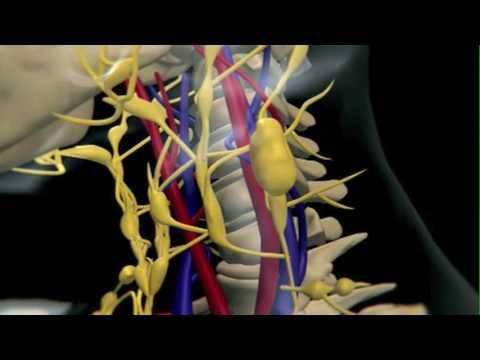
One common sign is swollen lymph nodes, which may appear as lumps in the neck, underarm, or groin. Sometimes, these lumps are painless. It’s like finding a soft marble under your skin that wasn’t there before—kind of unsettling!
Another signal might be unexplained weight loss. If you suddenly drop pounds without trying or change your eating habits significantly, it’s worth paying attention to. Our bodies like to maintain balance; when they don’t, something might be off.
Fatigue is also a key indicator. If you’re feeling unusually tired despite getting enough sleep or not overdoing it during the day, it could mean something needs checking out.
Head and Neck Symptoms
In terms of head and neck symptoms specifically related to non-Hodgkin’s lymphoma, headaches may occur more frequently than usual. Think about it this way: if you’re used to having one headache a month and suddenly find yourself with three in that same time frame? That could be a red flag.
You might also notice difficulty swallowing or even pain while doing so. This could feel similar to having something stuck in your throat—it’s discomforting and not normal for most people.
Other Signals
Nightsweats can occur as well—waking up soaked through your pajamas isn’t just annoying; it might hint at something going on with your body too.
- Swollen lymph nodes
- Unexplained weight loss
- Persistent fatigue
- Frequent headaches
- Difficulties swallowing
- Nightsweats
A takeaway thought
If you notice any combination of these symptoms persisting over time, it’s important to consult with someone who can help clarify things further because early detection is key! Life’s too short not to listen to our bodies’ signals.
The thing is—to ensure our health doesn’t slip through the cracks—you should always keep an open line of communication with healthcare professionals regarding any concerns you have.
Understanding the Signs and Signals of Lymphoma’s Final Stages
Lymphoma is a type of cancer that affects the lymphatic system. You know, that network plays a crucial role in your immune function. When someone has lymphoma, especially non-Hodgkin’s lymphoma, signs can change over time. In the final stages, it’s important to recognize certain indicators.
Neck and Head Symptoms
Firstly, swollen lymph nodes in the neck or underarms can become more noticeable. This might feel like small lumps under the skin. Sometimes they can hurt or even just feel uncomfortable.
Another common issue is persistent fatigue. It’s kinda like feeling tired all the time, even after a good night’s sleep. This exhaustion doesn’t just fade away with rest.
Possible Changes in Breathing
As the disease progresses, breathing could become labored or shallow. If lymph nodes near the chest are enlarged, they can press against airways. It’d be like having something heavy sitting on your chest—definitely makes it harder to take deep breaths.
Pain in Various Locations
Pain might also increase throughout different areas of the body. It could be sudden and sharp or more dull and constant; either way, it’s something to pay attention to.
Unexplained Weight Loss
A noticeable weight loss without trying can happen too; this isn’t always tied to eating less. Your body is working extra hard fighting this illness—so sometimes it uses up more energy than usual.
Mood Changes
Mood swings or changes in mental clarity can show up as well. People may feel more anxious or have trouble focusing; whatever was once easy could suddenly seem complicated.
Difficulties With Swallowing
If someone notices swallowing becoming harder, it could indicate enlargement of lymph nodes around the neck region pressing against the throat area. It feels uncomfortable and might come along with pain.
A Note on Supportive Care
If you’re noticing these symptoms in a loved one—or yourself—it’s essential to reach out for supportive care options. Palliative care teams are skilled at helping manage symptoms while focusing on comfort rather than treatment alone.
Please Remember…
This isn’t meant to replace any medical advice from healthcare professionals—you know? Always consult them if you’re concerned about symptoms or any changes happening with health!
Understanding Your Journey: What You Need to Know About Non-Hodgkin’s Lymphoma Survival Rates
Understanding Non-Hodgkin’s Lymphoma Survival Rates
Non-Hodgkin’s lymphoma (NHL) is a type of cancer that starts in the lymphatic system, which is part of your immune system. It can feel overwhelming to hear that you or someone close to you might have it. Let’s break down what survival rates mean and how they relate to your journey.
What Are Survival Rates?
Survival rates are statistics that give an idea of what percentage of people with a specific condition are still alive after a certain period, like 5 years. For NHL, the overall 5-year survival rate is around 72%—that means, on average, about 72 out of 100 people with this type of lymphoma survive for at least five years after their diagnosis.
But hey, don’t just focus on the number! Each case is unique. Factors like age, overall health, and how advanced the cancer is play a huge role in individual outcomes.
Different Types of Non-Hodgkin’s Lymphoma
NHL isn’t just one type; it’s actually a group of cancers. Some types grow slowly while others can be aggressive. For instance, follicular lymphoma is considered indolent (slow-growing) and tends to have a better prognosis over time compared to more aggressive forms like diffuse large B-cell lymphoma.
The Importance of Early Detection
Catching NHL early can really make a difference in survival rates. When symptoms like swollen lymph nodes or unexplained weight loss happen, it’s crucial to get checked out by a healthcare professional. Early-stage detection often leads to better outcomes and treatment options.
Treatment Options Impacting Survival
Treatment usually includes chemotherapy, radiation therapy, or even targeted therapies that aim at specific characteristics in the cancer cells. These treatments not only intend to kill cancer cells but also help improve quality of life during and after treatment.
Your healthcare team will personalize the approach based on various factors such as age and overall health. It’s good to ask questions—knowledge empowers you!
Support Systems Matter
You don’t have to go through this alone. Having support from family, friends, or even support groups can be incredibly helpful emotionally while dealing with NHL treatment and recovery.
Head and Neck Symptoms Related To NHL
Sometimes symptoms show up near the neck or head area—like swelling in those areas or persistent sore throat—which can be signs worth discussing with your doctor quickly. Remember that many conditions can cause these symptoms too; so they’re not exclusive indicators for NHL.
Your Journey Matters
Navigating through non-Hodgkin’s lymphoma doesn’t look the same for everyone but understanding survival rates helps set expectations without dousing hope entirely. Talk openly with your medical team about any concerns or confusion—you deserve clarity in this journey.
Understanding Neck and Head Symptoms of Non-Hodgkin’s Lymphoma
Non-Hodgkin’s lymphoma (NHL) is a type of cancer that originates in the lymphatic system. It can present various symptoms, particularly around the head and neck area. This is crucial to understand, as early recognition plays a significant role in treatment outcomes.
One common symptom is swollen lymph nodes. These are often painless bumps located in the neck or jaw. You might think of them like grapes; when they swell, they become noticeable and sometimes irritating.
Other signs include unexplained fatigue, fever, night sweats, and weight loss. These generalized symptoms can be easy to overlook, but they may indicate something more serious going on in the body.
Headaches can also occur if the lymphoma affects areas around the brain or spinal cord. This might feel like any other headache you’ve experienced but could be accompanied by other alarming signs like confusion or blurred vision.
Recognizing these symptoms early can seem overwhelming. However, understanding them better helps people seek medical attention sooner rather than later. The importance of awareness cannot be understated; it’s about being proactive with your health.
If you or someone you know experiences persistent symptoms like these, it’s worth discussing with a healthcare professional for evaluation and guidance. Remember that knowledge empowers action—a vital step in tackling potential health concerns head-on.