The information provided in this article is intended solely for general informational and educational purposes. It does not constitute medical advice, diagnosis or professional treatment, and should not be considered a substitute for consultation with a qualified doctor or other licensed healthcare professional. Any health-related decisions should be made in consultation with accredited medical professionals.
While efforts have been made to ensure the information is accurate and up to date, no guarantees are given—either express or implied—regarding its accuracy, completeness, currency or suitability. Use of this information is at your own discretion.
It is strongly recommended to consult official sources such as the NHS (National Health Service) or other recognised medical institutions before acting on any information contained on this website or article. Under no circumstances should professional medical advice be ignored or delayed due to content read here.
This content is of a general and informational nature only. It is not intended to replace individualised guidance from a healthcare professional or to establish any doctor-patient relationship. The publication of this information does not imply any professional responsibility, guarantee or obligation on the part of the author or this site.
Recognizing the Key Lymphoma Symptoms You Shouldn’t Ignore
Have you ever felt a lump that just wouldn’t go away? Or maybe you’ve experienced unexplained fatigue that made you question your normal energy levels? These aren’t things to shrug off, trust me.
Lymphoma is a type of cancer that affects your lymphatic system, which is part of your body’s immune defense. It sounds heavy, right? But understanding its symptoms can make a huge difference.
This article will break down the key symptoms associated with lymphoma. You deserve to be informed about changes in your body. Knowing what to look for can help you take action sooner rather than later. Sometimes it’s easy to dismiss things as “just a phase.” But awareness is power.
Remember, no article can replace professional medical advice. It’s always best to consult with a healthcare expert if something feels off. Health decisions shouldn’t be made lightly or based solely on online information.
Let’s dive into this topic together and shed some light on those subtle signs that shouldn’t be ignored.
Recognizing the Signs and Understanding the Journey
Recognizing Key Lymphoma Symptoms You Shouldn’t Ignore
Lymphoma is a type of cancer that affects the lymphatic system, which is a part of the immune system. Understanding its symptoms can help you and your loved ones catch it early. So let’s take a closer look at what you should be on the lookout for.
Common Symptoms
- Swollen Lymph Nodes: This usually appears as painless lumps under your skin, often in your neck, armpits, or groin. Think of them like small balloons filled with fluid that become bigger when they’re fighting infections.
- Fever: Some people with lymphoma might experience unexplained fevers. It’s like your body is battling something but you can’t quite put your finger on it.
- Night Sweats: These are more than just being hot at night; waking up drenched in sweat can be a sign that something isn’t right.
- Weight Loss: Significant and unintentional weight loss could happen due to lymphoma, even if you’re eating normally. It’s like suddenly shedding pounds without trying.
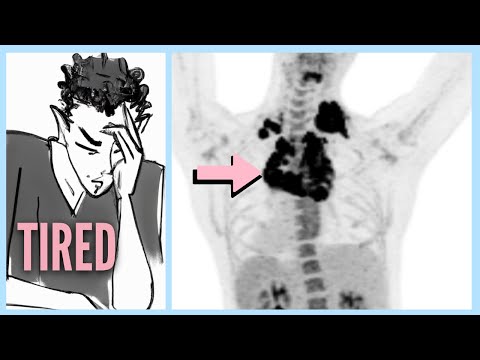
- Persistent Fatigue: Feeling tired all the time can seem normal sometimes, but if it’s overwhelming and doesn’t get better with rest, pay attention to it.
The Importance of Early Recognition
You know how some things just don’t feel right? That nagging feeling might mean it’s time to chat with someone about these symptoms. Early detection plays a crucial role in managing lymphoma effectively.
If you notice any combination of these symptoms, consider keeping track of them. Jot down when they started and how they’ve changed over time—like keeping a little log book for your health.
Your Journey After Detection
If lymphoma is suspected or diagnosed, you’ll likely face tests to understand what’s going on inside—like blood tests or imaging scans (think X-rays or MRIs). These are tools that help doctors see whether cancer cells are present and where they might be hiding.
The journey after diagnosis often involves treatment options such as chemotherapy or radiation therapy. It sounds intimidating, I know. But these treatments aim to target those nasty cells specifically while sparing healthy ones as much as possible.
Mental Health Matters
A cancer diagnosis can really take a toll on mental well-being too. It’s normal to feel anxious or scared; talking about feelings with friends, family or support groups can really help lighten the load. You’re not alone in this journey!
The Final Thoughts
No one wants to think about cancer, but knowing what signs to look out for and understanding what lies ahead can empower you or someone close to you. Just remember: it’s always okay to seek advice from healthcare professionals when something feels off!
Recognizing the Subtle Signs of Lymphoma in Its Initial Stages
Lymphoma is a type of cancer that affects the lymphatic system, which is part of your immune system. This system helps fight infections and disease. Spotting lymphoma early can make a big difference, but it’s tricky because the signs can be pretty subtle at first.
Common Early Symptoms
One of the first things people often notice is swollen lymph nodes. These tiny glands are found in various places, like your neck, armpits, and groin. If they feel larger than usual and don’t hurt, it might be worth keeping an eye on them.
Another uncommonly discussed sign is unexplained weight loss. You know how you might drop a few pounds after changing diets? Well, if you’re losing weight without trying—say more than ten percent of your body weight—that’s something to consider.
Other Signs to Look Out For
- Nightsweats: Waking up drenched in sweat often isn’t just from a bad dream or the room being too hot. It could signal something more serious.
- Persistent Fatigue: Feeling super tired all the time? Sometimes, it’s just life; other times, it could mean your body is fighting an illness.
- Fever: A low-grade fever that lingers can also be a warning sign that something isn’t right inside your body.
The Importance of Context
You might wonder why these signs don’t seem so scary on their own. The thing is, many symptoms can overlap with less serious conditions or stuff we experience regularly—like stress or seasonal allergies. This makes it crucial to pay attention to patterns over time rather than making snap judgments based on one symptom alone.
When to Seek Help
If you notice any combination of these symptoms lasting for several weeks without explanation, it’s probably a good idea to talk to someone who can help, like a healthcare professional. They can get you checked out and possibly run some tests if necessary.
A common worry people have is thinking they might be wasting someone’s time by going in with these subtle signs. But remember: It’s better to ask questions rather than ignore symptoms simply because they seem minor!
Coping With Uncertainty
If you’re feeling anxious about what these signs could mean or what steps to take next—it’s completely normal! Talking through those feelings with someone close can provide support and clarity while you figure things out together.
Lymphoma isn’t always easy to spot early on. However by being aware of these subtle signs and staying informed about health issues that matter most to you—you’re taking good care of yourself!
Recognizing the Signs: What Women Should Know About Lymphoma Symptoms
Understanding Lymphoma Symptoms in Women
Lymphoma is a type of cancer that starts in the lymphatic system, which is part of your immune system. It can affect anyone, but it’s important for women to be aware of certain symptoms. Recognizing these signs early can be crucial.
Swollen Lymph Nodes
One of the first and most common signs is swollen lymph nodes. These are small, bean-shaped structures that help filter harmful substances from your body. You might notice lumps in your neck, underarm, or groin area. If they feel firm and don’t go away after a few weeks, it’s worth checking out.
Unexplained Weight Loss
If you’re losing weight without trying—like, no special diets or exercise—this could be a red flag. Sometimes our bodies lose weight due to underlying issues like lymphoma.
Fever and Night Sweats
Feeling feverish or experiencing night sweats can also be indicators. Night sweats are different from just feeling warm at night; you might wake up soaked to the skin even when it’s not hot in your room.
Persistent Fatigue
You know how sometimes you just feel tired? Fatigue from lymphoma isn’t like that typical tiredness; it doesn’t improve with rest and might make even simple tasks feel overwhelming. It’s as if someone has pulled all your energy away.
Itchy Skin
This symptom can be surprising but some women with lymphoma report an itchy sensation without any rashes or other skin issues. It’s often described as annoying—and the kind of itch that just won’t go away!
Coughing or Breathing Difficulties
If you experience persistent coughing or have trouble breathing that’s unusual for you, think about getting this checked out, especially if it’s accompanied by any other symptoms mentioned earlier.
Why Early Recognition Matters
Catching lymphoma early can make a significant difference in treatment outcomes. Some people may experience no symptoms at all initially, which makes understanding what to look for even more important.
If any of these symptoms sound familiar and are lasting longer than you’d expect—the best course is talking with someone who can help like a healthcare professional. You know? Being proactive about changes in your body is always wise!
Myths About Lymphoma Symptoms
- Myth:Lymphoma only affects older people.
Fact:This condition can occur at any age—from young adults to seniors. - Myth:A swollen lymph node means cancer.
Fact: Not every swollen lymph node indicates cancer; infections can cause swelling too! - Myth:Lymphoma is always fatal.
Fact:The survival rate varies greatly depending on many factors including type and stage; many people go on to lead fulfilled lives after treatment!
If you’re concerned at all about these signs—remember it’s better to err on the side of caution! Ask questions and seek advice until you feel satisfied with the answers.
Lymphoma is a type of cancer that affects the lymphatic system, which is part of your immune system. Recognizing symptoms can be crucial for early detection and treatment.
Common symptoms of lymphoma include swollen lymph nodes, fever, night sweats, unexplained weight loss, and fatigue. It’s important to remember that these symptoms can be caused by many other conditions too. So, if you notice a combination or persistent ones, it might be worth getting checked out.
For example, if your lymph nodes are swollen for more than two weeks without explanation—especially if it’s accompanied by fever—is a signal not to shrug off. It’s kind of like the body’s way of sending out an SOS.
Understanding these signs doesn’t mean panicking every time you have a cold or feel tired. It means being aware and proactive about your health. Listen to your body; it knows when something’s off.
The key takeaway? Awareness combined with timely medical consultation can make a difference in outcomes. If something feels wrong or doesn’t add up over time, don’t hesitate to reach out to a healthcare professional.