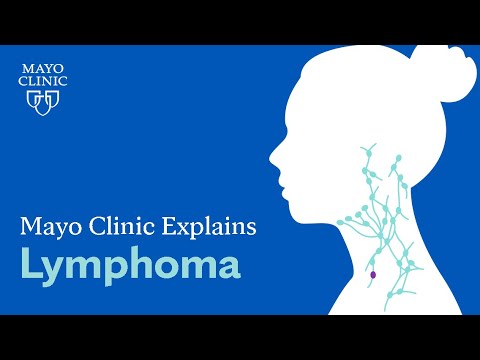
The information provided in this article is intended solely for general informational and educational purposes. It does not constitute medical advice, diagnosis or professional treatment, and should not be considered a substitute for consultation with a qualified doctor or other licensed healthcare professional. Any health-related decisions should be made in consultation with accredited medical professionals.
While efforts have been made to ensure the information is accurate and up to date, no guarantees are given—either express or implied—regarding its accuracy, completeness, currency or suitability. Use of this information is at your own discretion.
It is strongly recommended to consult official sources such as the NHS (National Health Service) or other recognised medical institutions before acting on any information contained on this website or article. Under no circumstances should professional medical advice be ignored or delayed due to content read here.
This content is of a general and informational nature only. It is not intended to replace individualised guidance from a healthcare professional or to establish any doctor-patient relationship. The publication of this information does not imply any professional responsibility, guarantee or obligation on the part of the author or this site.
Ever felt unusually tired, or noticed some unexpected swelling in your body? It can be concerning, can’t it? Many of us brush off these signs as just a part of life. But sometimes, they could point to something more. Small lymphocytic lymphoma (SLL) is one such condition that deserves our attention.
SLL is a type of cancer that affects lymphocytes—those little warriors in our immune system. They help us fight infections and keep us healthy. When they start misbehaving, problems arise. Understanding the symptoms of SLL can empower you to recognize changes in your body and seek help early.
This article will break down the key symptoms of SLL and what they mean for you. You deserve clarity and knowledge about your health! Remember though, this information isn’t a substitute for professional medical advice. It’s vital to speak with a healthcare professional if you’re concerned about any symptoms you experience.
Let’s dive into what SLL is all about, so you can feel more informed and equipped to take charge of your health journey.
Understanding the Journey Ahead with SLL Lymphoma
Understanding Small Lymphocytic Lymphoma (SLL)
Small Lymphocytic Lymphoma, often referred to as SLL, is a type of cancer that affects the lymphatic system. This means it can impact how your body fights off infections. So if you’re hearing about SLL for the first time, it’s natural to have questions.
What Are the Main Symptoms?
SLL symptoms can vary quite a bit from person to person. One of the main signs is swollen lymph nodes, which might feel like painless lumps in areas like your neck or armpits. These bumps are usually soft and movable.
Fatigue is another common symptom. You know that feeling when you just can’t shake off tiredness? Well, that’s what many people with SLL experience. Sometimes it’s more than just “not enough sleep.”
Other Symptoms to Look Out For
- Night sweats: Waking up drenched in sweat can be unsettling.
- Unexplained weight loss: Losing weight without trying can happen with SLL.
- Fever: A low-grade fever that lingers can be another sign.
The Importance of Diagnosis
If you or someone you know shows these symptoms, it’s really important to seek medical advice. Diagnosing SLL usually involves blood tests and sometimes biopsies—where a small sample of tissue is examined.
The diagnosis process might sound intimidating, but think of it like piecing together a puzzle. Each test provides more information and helps shape a clearer picture of what’s happening inside your body.
Treating Small Lymphocytic Lymphoma
Treatment for SLL isn’t one-size-fits-all; it depends on various factors like how aggressive the disease is and individual health conditions. Some people may go through “watchful waiting,” while others may need chemotherapy or immunotherapy—a treatment that helps your immune system fight cancer cells.
A Supportive Community
Navigating an diagnosis like SLL can feel overwhelming at times. Reaching out to support groups or talking with friends and family can help lighten the load emotionally. You’re not alone in this journey!
The Road Ahead
Succeeding in treatment varies from person to person, but remember: each case is unique! It’s important to remain open to ongoing discussions with healthcare providers about any changes in symptoms or feelings throughout your journey.
Taking care of yourself physically and mentally during this journey makes all the difference too—regular exercise, a balanced diet, and mindfulness practices are just some ways people cope better with their treatment plans.
Your Questions Matter
If you still have lingering questions about small lymphocytic lymphoma or its symptoms—don’t hesitate! Asking questions empowers you whether you’re facing it yourself or supporting someone through their battle against lymphoma.
A Deep Dive into the Distinctions and Challenges of Chronic Lymphocytic Leukemia and Small Lymphocytic Lymphoma
Hey! If you’re trying to understand Chronic Lymphocytic Leukemia (CLL) and Small Lymphocytic Lymphoma (SLL), you’re not alone. These two conditions can be pretty confusing since they share many similarities. Let’s break it down.
What Are They?
Both CLL and SLL are types of cancer that affect the same kind of white blood cells, called B lymphocytes. Think of them like cousins in a big family—similar but distinct. CLL mainly involves these cells in the blood and bone marrow, while SLL primarily affects the lymph nodes.
How Are They Diagnosed?
You might wonder how doctors tell them apart. Diagnosis often starts with blood tests. In CLL, there are usually high levels of lymphocytes in the blood. For SLL, imaging tests are done to look for enlarged lymph nodes.
Key Symptoms
The symptoms can overlap but there are some differences. Common symptoms include:
- Fatigue: Feeling unusually tired is very common.
- Lymphadenopathy: Swollen lymph nodes can happen in both conditions.
- B Symptoms: This refers to fever, night sweats, or weight loss.
If someone has more pronounced swelling or lumps due to lymph node involvement during SLL, that’s a key indicator for doctors.
Treatment Considerations
Treatment options aren’t exactly the same either. CLL may require watchful waiting in early stages because it can progress slowly. For SLL, treatment decisions often depend on how aggressive it is at diagnosis and may involve chemotherapy or immunotherapy sooner.
Living With CLL and SLL
Coping with either condition is challenging. Patients often report emotional struggles too—anxiety about their health is common! Support from friends, family, or support groups can make a big difference here.
The Importance of Monitoring
If you or someone you know has been diagnosed with either CLL or SLL, regular check-ups are crucial. Catching changes early can help tailor treatment plans effectively over time.
Misinformation Alert
A lot of myths circulate around these cancers; some people might say they’re just “old person diseases,” which isn’t true! While they do occur more frequently in older adults, anyone at any age can be affected–it’s all about genetics and other factors involved.
The journey through understanding CLL and SLL involves learning as much as possible about one’s unique situation. So stay curious!
Understanding the Challenges and Hope in Advanced Small Lymphocytic Lymphoma
Small lymphocytic lymphoma (SLL) is a type of cancer that primarily affects the lymphatic system. It’s important to grasp what makes it challenging, especially when it’s advanced. The symptoms can vary a lot from person to person, which complicates things.
What are the Symptoms?
People with SLL often don’t show symptoms right away. When they do appear, they might include swollen lymph nodes, fatigue, and unexplained weight loss. You know how sometimes you feel tired for no reason? That’s a common early signal.
Other symptoms can involve night sweats and fever. Imagine just feeling a bit under the weather, but then suddenly breaking into a sweat at night—super uncomfortable!
The Challenges of Advanced SLL
As SLL progresses, managing symptoms becomes tougher. One of the biggest challenges is that it can affect your immune system. This makes you more vulnerable to infections. Feeling sick all the time is not just frustrating—it can really take a toll on your daily life.
Treatment options may also shift as the disease advances. Sometimes doctors will suggest chemotherapy or targeted therapies that focus on specific characteristics of cancer cells. This sounds pretty technical but think of it like using a magnifying glass to focus on only what you need.
A Glimmer of Hope
The good news? Research is ongoing and treatments are improving continually! New therapies are being discovered that can make living with advanced SLL more manageable.
This means that some people find themselves in remission or have longer periods without active disease—think about it like getting an unexpected vacation from responsibilities; it’s refreshing!
Support Systems Matter
Navigating this journey alone isn’t easy; support systems play crucial roles. Connecting with support groups or talking with others going through similar experiences can help lift some emotional burden.
The Importance of Ongoing Care
Regular check-ups are vital for monitoring changes in your health status. These visits help doctors adjust treatment plans based on how you’re feeling or if any new symptoms pop up.
You know your body best; if something feels off, speak up! Communication between patients and healthcare providers fosters better care overall.
A Final Thought
The journey through advanced small lymphocytic lymphoma may seem daunting, but hope exists alongside challenges. With quality care, new treatments developing constantly, and supportive communities around you—or even just chatting with friends—you’re not alone in this.
Understanding Small Lymphocytic Lymphoma: Key Symptoms Explained
Small Lymphocytic Lymphoma, or SLL, is a type of cancer that affects the lymphatic system. It’s closely related to chronic lymphocytic leukemia (CLL), which can make understanding it a bit tricky. Both involve abnormal growth of B-lymphocytes, but distinguishing their symptoms is crucial.
One of the primary symptoms of SLL is swollen lymph nodes. You might notice painless lumps in areas like your neck, armpits, or groin. These swellings occur as your body tries to fight off infections or because cancer cells are building up.
Another common sign is fatigue. You know that feeling when you haven’t slept enough? Imagine that lasting for weeks on end. This ongoing tiredness in SLL often stems from anemia—when your body lacks enough healthy red blood cells.
In addition, some people experience unintentional weight loss or night sweats. It’s like when you wake up drenched after a bad dream; only it happens regularly and can leave you feeling drained and confused.
Other Symptoms
- Fever: A low-grade fever may be present without any infection.
- Pain: Swollen areas can sometimes feel uncomfortable or painful.
- Anemia: You may feel weak or dizzy due to low red blood cell counts.
If you’re wondering about diagnosis, it typically involves blood tests and imaging studies to look for enlarged lymph nodes and check blood cell levels. It’s like putting together pieces of a puzzle to see the complete picture of what’s going on inside your body.
SLL can be challenging both emotionally and physically for those affected. Support from healthcare professionals, family, and friends plays a huge role in navigating this journey. Education about symptoms helps empower patients and their loved ones when discussing treatment options with doctors.
The key takeaway? Be aware of changes in your body. If something feels off, don’t hesitate to consult a healthcare provider for further evaluation—that’s always important! Understanding these basic aspects makes discussing this condition more comfortable and clear for everyone involved.