The information provided in this article is intended solely for general informational and educational purposes. It does not constitute medical advice, diagnosis or professional treatment, and should not be considered a substitute for consultation with a qualified doctor or other licensed healthcare professional. Any health-related decisions should be made in consultation with accredited medical professionals.
While efforts have been made to ensure the information is accurate and up to date, no guarantees are given—either express or implied—regarding its accuracy, completeness, currency or suitability. Use of this information is at your own discretion.
It is strongly recommended to consult official sources such as the NHS (National Health Service) or other recognised medical institutions before acting on any information contained on this website or article. Under no circumstances should professional medical advice be ignored or delayed due to content read here.
This content is of a general and informational nature only. It is not intended to replace individualised guidance from a healthcare professional or to establish any doctor-patient relationship. The publication of this information does not imply any professional responsibility, guarantee or obligation on the part of the author or this site.
Understanding Nocturnal Lagophthalmos: Sleeping with Eyes Open
Have you ever woken up feeling like your eyes are dusty or sore? You’re not alone. Many people experience eye discomfort while sleeping, but for some, it’s more than just a restless night. Imagine going to bed and waking up only to realize your eyes were partially open the whole time. Sounds strange, right?
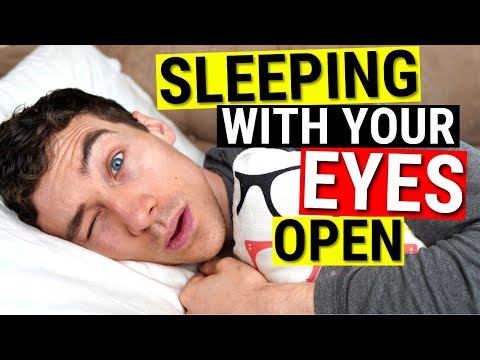
This condition is known as nocturnal lagophthalmos. It’s when your eyelids don’t fully close during sleep. It can lead to some serious issues like dryness or irritation of the eyes, which really isn’t fun at all.
This article dives into what nocturnal lagophthalmos is, its causes, and how it affects daily life. We’ll also discuss potential treatments and management strategies that can make a real difference.
Look, understanding this condition matters because your eye health is crucial to your overall quality of life. If you’re concerned about this issue, remember this content doesn’t replace professional medical advice—always consult a healthcare provider before making any decisions regarding your health.
Unlocking the Mysteries of Conscious Dreams and Inner Awareness
Understanding Nocturnal Lagophthalmos
If you’ve ever woke up and felt like your eyes weren’t fully closed, you might be familiar with nocturnal lagophthalmos. It’s one of those conditions that’s not talked about much, but it can affect your sleep and overall eye health.
What is Nocturnal Lagophthalmos?
Basically, it’s when your eyelids don’t close all the way while you’re asleep. Imagine a door that doesn’t latch properly; it leaves a gap. This condition can lead to dryness and irritation since your eyes aren’t being protected as they should be.
How Common is It?
You might think this is rare, but it’s more common than you’d expect. Many people have mild forms of it without even realizing. Factors like facial nerve problems or certain conditions can increase its likelihood.
Why Does It Matter?
Your eyes need moisture to stay healthy; they’re like sponges that need to soak in water to work properly. If they don’t get enough moisture during the night, things can go downhill—irritation, redness, even potential infections.
Signs You Might Have It
- waking up with dry or gritty feeling eyes
- increased tearing during the day
- sensitivity to light
- redness around the eyes
The Link Between Dreams and Awareness
This gets interesting when you consider how our awareness plays into dreaming, right? Some folks talk about “conscious dreams,” which means being aware you’re dreaming while still in the dream state. Sounds cool? It can actually act as a form of mental exploration.
The Connection Between Our Eyes and Dreams
You might wonder how nocturnal lagophthalmos interacts with these conscious dreams. Well, if your eyes are bothering you at night due to dryness or irritation, that could disrupt your sleep cycles and ultimately affect the quality of your dreams.
Your Comfort Matters!
If you’re not comfortable while sleeping, chances are you won’t experience those vivid dreams as vividly or at all! Think about how a cozy blanket helps you rest better—it’s similar for our eyes!
Taking Care of Your Eyes at Night
- Use Humidifiers: They add moisture to the air which can help keep those peepers comfy.
- Eye Drops: Artificial tears before bed may just do the trick in keeping them lubricated through the night.
- Sleep Position: Sometimes adjusting how you sleep—maybe lying on your back—can help reduce eye exposure.
You know what’s essential? If these issues persist or if you have questions about them impacting your sleep quality—or even if you’re curious about conscious dreaming—consider talking to someone knowledgeable in this area!
A Glimpse into the Mysterious World of Slumbering Minds
Have you ever heard of nocturnal lagophthalmos? It’s quite a mouthful, huh? But here’s the thing: it simply means sleeping with your eyes open. Sounds strange, right? Yet, it’s a real condition that affects some people while they snooze.
So, what actually happens? Normally, when we close our eyes, a thin layer of tears coats them. This keeps them moist and healthy. But in nocturnal lagophthalmos, the eyelids don’t fully close during sleep. As a result, this can lead to dry eyes and irritation.
You might ask yourself why this occurs. Often it relates to issues with facial nerves or muscles. Maybe someone’s had an injury or surgery around their eyes; sometimes it just happens without any clear reason.
Symptoms to Look For
- Dryness in the eyes after waking up
- Irritation or redness
- Feeling like there’s something in your eye
- Possible blurry vision
If you notice these symptoms consistently after sleep, it’s worth chatting with a professional about it. They can help determine what’s going on and what options might exist for managing it.
Real-Life Examples
Imagine this: There’s Tom. He’s always been a sound sleeper. One morning he wakes up and feels like he got sand in his eyes. Kind of annoying! He later discovers he has nocturnal lagophthalmos after speaking with an eye specialist.
Another example would be Lisa—she went through facial surgery for another issue years ago. Later on she noticed her eyelids weren’t quite shutting all the way during sleep anymore.
Taking Steps Forward
If someone finds themselves dealing with this condition, there are ways to help! People might use eye drops to keep things comfortable during the night or special taping techniques to ensure eyelids stay closed while snoozing.
It’s essential not to overlook any unusual symptoms related to our eyes—after all, they’re pretty vital for experiencing life! Keeping them healthy is important.
Busting Myths
A common myth is that sleeping with your eyes open is harmless because you’re still resting. But really? It’s not ideal at all! Long-term exposure could lead to more serious concerns if left unaddressed.
Nocturnal lagophthalmos may be surprising but knowing about it helps remove some of that mystery surrounding those sleeping moments where things aren’t quite right!
Unraveling the Mystery of Half-Open Eyes at Rest
Understanding Nocturnal Lagophthalmos
You might have noticed that some people sleep with their eyes slightly open. This condition is called nocturnal lagophthalmos. Sounds complex, right? But don’t worry, let’s break it down together.
What is Nocturnal Lagophthalmos?
Simply put, it’s when someone can’t fully close their eyes while they’re asleep. Imagine trying to shut a door, but it just won’t close all the way. That’s how it feels for these individuals.
This can happen for various reasons, like nerve damage, muscle weakness, or even scarring around the eye area. Since the eyelids don’t completely cover the eyeballs during sleep, this can lead to dryness and irritation.
Why Does It Matter?
Your eyes are super important! They need moisture and protection when you’re sleeping. If they’re exposed too long, it can cause discomfort or more serious problems over time.
Think of your eyes like plants; they need water regularly. If they don’t get enough moisture at night because the lids are half-opened—that could be a problem!
How Common Is It?
Nocturnal lagophthalmos isn’t rare but not everyone talks about it. Some people might not even realize they have it until someone points it out or they experience symptoms like red or irritated eyes upon waking up.
What Are The Symptoms?
Common issues include dryness in the morning and sometimes light sensitivity. You might feel like you’ve got sand in your eyes after a full night of sleep—definitely not a pleasant way to wake up!
Treatments and Solutions
If someone suspects they have nocturnal lagophthalmos, there are ways to manage it. Artificial tears can help keep the eyes hydrated while sleeping; think of them as little eye helpers! In some cases, doctors might suggest ointments or even protective eyewear during sleep.
Myths Around Sleeping with Eyes Open
- Nocturnal lagophthalmos means you’re awake: Not true! Many sleep soundly despite having their eyes partly open.
- You should be able to notice: Sometimes people aren’t aware because they can’t see themselves while sleeping—just like you won’t see your reflection in a dark room!
The Bottom Line
If you’ve ever wondered why some folks seem to have half-opened eyes when resting, now you know it’s often nocturnal lagophthalmos working quietly behind the scenes! While many live with this condition comfortably enough, staying informed is key for better sleep quality—so take care of those shining windows to your soul!
Nocturnal lagophthalmos is a condition where someone’s eyelids don’t fully close during sleep. This may sound strange, but it can lead to significant discomfort and even serious eye problems. When the eyes are left exposed, they can dry out and become irritated.
For many, the symptoms might be subtle at first. You might wake up with dry eyes or feel some irritation. In more severe cases, serious damage like corneal ulcers can occur if left untreated. The causes vary; sometimes it’s due to facial nerve issues or conditions like thyroid disease.
Treatment options focus on protecting the eyes and ensuring moisture retention. People often use lubricating eye drops or ointments before bed. In more complex cases, surgical options may be considered to improve eyelid closure.
This condition is not just about comfort; it reflects broader health implications for those affected. It’s essential that anyone who suspects they have nocturnal lagophthalmos seeks professional advice to explore diagnosis and treatment strategies early on.