The information provided in this article is intended solely for general informational and educational purposes. It does not constitute medical advice, diagnosis or professional treatment, and should not be considered a substitute for consultation with a qualified doctor or other licensed healthcare professional. Any health-related decisions should be made in consultation with accredited medical professionals.
While efforts have been made to ensure the information is accurate and up to date, no guarantees are given—either express or implied—regarding its accuracy, completeness, currency or suitability. Use of this information is at your own discretion.
It is strongly recommended to consult official sources such as the NHS (National Health Service) or other recognised medical institutions before acting on any information contained on this website or article. Under no circumstances should professional medical advice be ignored or delayed due to content read here.
This content is of a general and informational nature only. It is not intended to replace individualised guidance from a healthcare professional or to establish any doctor-patient relationship. The publication of this information does not imply any professional responsibility, guarantee or obligation on the part of the author or this site.
Have you ever stopped to think about how your heart and lungs work together? It’s kind of amazing, really. Every heartbeat fuels your body with oxygen-rich blood, while simultaneously removing carbon dioxide. This dance between the two organs is crucial for your health.
Understanding blood flow through the heart and lungs isn’t just for medical students; it impacts all of us. Knowing how your body functions can empower you to make better health choices. It ties back to everyday things like feeling energetic or why you might feel sluggish sometimes.
This article will break down the journey of blood in a way that’s easy to grasp. We’ll explore how blood travels from the heart to the lungs—and back again. You’ll see why this process matters and what happens when things go awry.
Please remember, this content doesn’t replace professional medical advice. It’s important to consult a healthcare professional for any personal health concerns or questions you might have.
A Journey Through the Heart: Understanding How Blood Circulates Every Beat
The heart is an amazing organ. It works tirelessly, pumping blood throughout the body. But how does it actually do that? Let’s break it down in a simple way.
Heart’s Structure
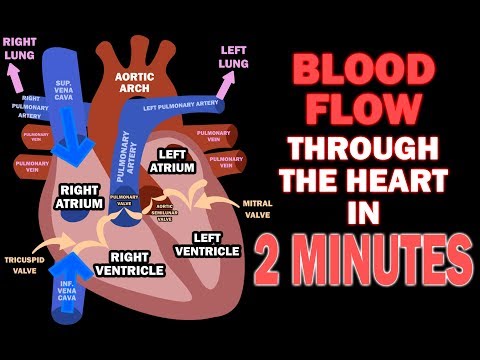
The heart has four main chambers: two atria and two ventricles. Think of these chambers like rooms in a house. The right atrium receives blood that’s low in oxygen from the body, while the left atrium gets oxygen-rich blood from the lungs.
Next, blood moves into the ventricles. The right ventricle pumps blood to the lungs for oxygen, and the left ventricle sends oxygen-rich blood to the rest of the body. This is basically a round trip!
Path of Blood Flow
So, where does all this action start? Blood enters through veins into the right atrium—kind of like waiting in a line at a café. Once it’s full, it pushes through to the right ventricle.
From there, it gets pumped into the pulmonary arteries heading for the lungs. Just picture this as taking a bus ride to pick up fresh air!
The Lungs: A Stop for Renewal
When blood reaches the lungs, carbon dioxide is exchanged for oxygen. This process is called gas exchange—it’s like trading in an old toy for something new! Oxygenated blood then returns to the left atrium via pulmonary veins.
Circulation Continues
Afterward, oxygen-rich blood flows into the left ventricle and gets pumped out through the aorta—the body’s main artery—distributing fresh oxygen to tissues and organs.
This whole cycle repeats about 70 times per minute at rest—a pretty impressive feat!
The Role of Valves
You might be wondering about valves. These tiny structures ensure one-way flow of blood. Imagine them as gates that open and close—preventing any traffic jams within your heart’s highways!
Why Blood Flow Matters
Good circulation keeps cells nourished with oxygen and removes waste products like carbon dioxide. If there are problems with any part of this journey, it can lead to health issues—like fatigue or even more serious conditions.
Wrapping Up Your Journey Through Blood Flow
The journey of blood through your heart and lungs is vital for keeping you alive and healthy. Understanding this helps appreciate how our bodies function every single day without us having to think about it! So next time you feel your heartbeat, remember—you’re partaking in an incredible cycle of life!
Unlocking the Journey of Life: Understanding How Blood Flows Through the Heart
Understanding Blood Flow Through the Heart and Lungs
Hey there! Let’s dive into how blood flows through the heart and lungs. Think of your heart like a pump, constantly moving blood around your body.
The Journey Begins
Blood starts its journey in the right atrium, a small upper chamber of the heart. It collects oxygen-poor blood from your body. Imagine it as a waiting room for guests coming back home.
Pumping It Out
From there, blood moves to the right ventricle, which is like the strong bouncer at a club. This chamber pumps blood into the lungs through the pulmonary arteries. Why? Because it needs oxygen!
Oxygen Exchange
In the lungs, tiny air sacs called alveoli help exchange carbon dioxide for oxygen. Picture blowing up a balloon: you’re filling it with air just like your blood gets filled with oxygen here.
The Return Trip
Once oxygenated, blood travels back to the heart through pulmonary veins into the left atrium. Now it’s like getting an upgrade! This fresh, oxygen-rich blood is ready to circulate.
Main Pumping Station
The left ventricle takes center stage next. It’s the strongest chamber and pushes that fresh blood out to all parts of your body through arteries. Think of it as sending out delivery trucks on their routes!
The Cycle Continues
As blood delivers oxygen and nutrients to cells, it picks up waste products like carbon dioxide again. Then it heads back to where it started—into that right atrium—completing one full cycle.
A Quick Recap
- Right Atrium: Receives oxygen-poor blood from body.
- Right Ventricle: Pumps this blood to lungs for oxygen!
- Lungs: Oxygen enters; carbon dioxide exits.
- Left Atrium: Receives now-oxygen-rich blood from lungs.
- Left Ventricle: Pumps this fresh blood throughout body.
This whole process happens continuously and very quickly! Sometimes people don’t realize just how much work their hearts do every day without us noticing.
Your Heart Matters
Taking care of your heart means caring about overall health too! Eating well, staying active, and reducing stress all support healthy heart function. It’s kinda like maintaining a car; regular checks go a long way!
If you have concerns or questions about specific issues related to heart health or anything else going on in there, talking with someone who knows about these matters is always a good idea!
A Journey Through the Heart of Circulation
The human heart is a fascinating organ. It’s like a pump, working tirelessly to keep blood flowing throughout the body. Understanding how blood moves through the heart and lungs can feel complicated, but it helps to break it down into simpler parts.
How Blood Flows Through the Heart
Picture this: your heart has four chambers—two atria and two ventricles. Blood enters through the atria before moving to the ventricles. It’s almost like waiting in line at a concert before you finally get inside!
The right atrium collects deoxygenated blood from the body. This blood is low in oxygen because it has delivered its oxygen to various cells. After that, it moves into the right ventricle, which pumps it to the lungs.
The Role of Lungs in Oxygenation
Once in the lungs, something amazing happens! The blood releases carbon dioxide (a waste product) and picks up fresh oxygen. Think of it like refreshing your drink on a hot day—the blood is getting a boost!
After this oxygen exchange, blood returns to the left atrium of the heart. Now it’s filled with oxygen and ready to be distributed again.
Pumping Oxygenated Blood
The left atrium pumps this oxygen-rich blood into the left ventricle. This chamber is really strong because it needs to push blood out of your heart and into all parts of your body through arteries.
So now you’ve got a complete circuit! Blood flows from your right side to your lungs for oxygenation, then back to your left side before being sent off around your body.
Understanding Circulation Loops
This entire process can be divided into two main loops: systemic circulation and pulmonary circulation. Systemic circulation sends oxygenated blood to nourish cells across the body while pulmonary circulation focuses on exchanging gases in the lungs.
- Systemic Circulation: Starts from left ventricle → arteries → tissues → veins → returns to right atrium.
- Pulmonary Circulation: Starts from right ventricle → lungs → back through pulmonary veins → enters left atrium.
Your Heart’s Rhythm
The heart also has an electrical system that controls its rhythm—this is what keeps everything coordinated. If you’ve ever listened closely, you might have noticed how steady that heartbeat sounds!
This rhythm ensures each heartbeat effectively moves blood where it’s needed most without missing a beat—just like an orchestra playing together beautifully.
A Final Note on Heart Health
Caring for your heart is crucial because its performance impacts every other part of your body. Eating well, exercising regularly, and managing stress are all ways you can help maintain good cardiovascular health over time.
If you’ve got any more questions about how this all works or what affects our circulatory system—just ask! There’s always more interesting stuff about our bodies waiting for us to discover together!
Understanding Blood Flow Through the Heart and Lungs
The journey of blood through the heart and lungs is both fascinating and vital for life. The heart acts like a pump, tirelessly pushing blood to nourish the body. It’s organized in a way that ensures every part of our body gets what it needs.
Blood flow begins when oxygen-poor blood returns to the heart from the body. This blood enters the right atrium, which is one of the heart’s four chambers. From there, it moves into the right ventricle. When this ventricle contracts, it sends blood to the lungs through pulmonary arteries.
In the lungs, blood receives oxygen and releases carbon dioxide—kind of like how we breathe out waste products. Oxygen-rich blood then travels back to the heart’s left atrium via pulmonary veins.
Next, this oxygenated blood flows into the left ventricle. This chamber has thick walls because it needs to pump blood throughout the entire body with great force. When it contracts, oxygen-rich blood travels through a big vessel called the aorta.
This whole process is incredibly efficient but can be affected by various factors, such as diet, exercise, and genetics. Think about how important it is to keep your heart healthy so that this system runs smoothly!
When you understand how this system works together—it becomes clear why taking care of your cardiovascular health is so critical. A well-functioning heart means a thriving body.