The information provided in this article is intended solely for general informational and educational purposes. It does not constitute medical advice, diagnosis or professional treatment, and should not be considered a substitute for consultation with a qualified doctor or other licensed healthcare professional. Any health-related decisions should be made in consultation with accredited medical professionals.
While efforts have been made to ensure the information is accurate and up to date, no guarantees are given—either express or implied—regarding its accuracy, completeness, currency or suitability. Use of this information is at your own discretion.
It is strongly recommended to consult official sources such as the NHS (National Health Service) or other recognised medical institutions before acting on any information contained on this website or article. Under no circumstances should professional medical advice be ignored or delayed due to content read here.
This content is of a general and informational nature only. It is not intended to replace individualised guidance from a healthcare professional or to establish any doctor-patient relationship. The publication of this information does not imply any professional responsibility, guarantee or obligation on the part of the author or this site.
Have you ever thought about how your diet can impact not just your health, but also the planet? It’s pretty wild when you think about how our food choices ripple out into bigger conversations about sustainability. You might be wondering: Is there a way to eat healthier without completely giving up the foods I love?
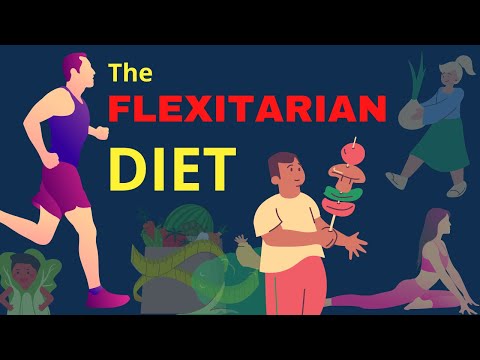
The flexitarian diet could be just what you’re looking for. It encourages a mostly plant-based approach while still allowing for flexibility—hey, that’s where the name comes from! Being flexitarian means incorporating more fruits, veggies, and whole grains into your meals while occasionally enjoying meat or fish. It strikes a balance that many find sustainable and enjoyable.
This article dives into the health benefits of adopting a flexitarian lifestyle. We’ll explore how it can lower your risk of chronic diseases, help with weight management, and even promote better mental health. But remember, this content is here to inform and inspire; it’s not a substitute for professional medical advice. Always consult with a healthcare provider before making significant changes to your diet.
A Delicious Guide to Embracing Plant-Powered Meals
Plant-powered meals are not just trendy; they’re healthy and delicious too! If you’re curious about a flexitarian diet, you’re not alone. Many people are leaning towards eating more plants while still enjoying some meat. The flexibility can make the transition easier and more enjoyable.
What is a Flexitarian Diet?
Simply put, a flexitarian diet is basically a mostly plant-based eating plan that allows occasional meat and fish. Think of it as being vegetarian most of the time, with some room for flexibility when you want to add in animal products. It’s like having your cake and eating it too, but hey, maybe with whole-grain bread instead!
The Health Benefits
You might wonder why so many folks are opting for this style of eating. One reason is the potential health benefits! Studies have shown that eating more fruits and vegetables can lower the risk of chronic diseases like heart disease and type 2 diabetes.
- Nutrition Boost: Plant foods are loaded with vitamins, minerals, and antioxidants. They help protect your body from free radicals—think of them like little troublemakers that cause damage at a cellular level.
- Diverse Flavors: With plants at the forefront, you’ll explore new flavors and textures! Ever tried quinoa or jackfruit? These ingredients can transform your meal experience.
- Weight Management: Some people find they maintain a healthier weight on a flexitarian diet because plant foods tend to be lower in calories but high in fiber. Fiber keeps you feeling full longer!
Sustainability Matters
You know what’s cool? Eating less meat can help the planet! Animal agriculture has a big carbon footprint—a fancy way of saying it contributes significantly to greenhouse gas emissions. By embracing more plant-powered meals, you’re doing your part for sustainability without going full vegan or vegetarian.
Simple Ways to Start
If you’re intrigued but not sure where to start, think about small changes first. Maybe designate one day a week as “meatless.” Load up on colorful veggies during meals; they can make any dish pop!
- Breakfast: Try oatmeal topped with nuts and fresh fruit.
- Lunch: A hearty salad packed with legumes like chickpeas or lentils can be super satisfying.
- Dinner: Explore veggie-based stir-fries using tofu or tempeh—great protein sources!
Misinformation Check
A lot of myths float around about plant-based diets being boring or lacking protein. Look, while transitioning might seem daunting at first, there’s truly an endless array of delicious meals on offer! And remember: beans, lentils, nuts—these foods pack plenty of protein along with other nutrients.
Culinary Adventures Await!
If you embrace this journey into plant-powered meals with curiosity rather than restriction; you’ll discover flavors you never thought you’d enjoy! Dive into ethnic cuisines that naturally celebrate vegetables—Mediterranean or Indian dishes often highlight these ingredients beautifully.
The thing is—it’s all about balance and enjoyment. So don’t stress over every meal choice; find what works for your taste buds and lifestyle while gradually incorporating more plants onto your plate!
Exploring the Benefits and Challenges of a Balanced Plant-Based Lifestyle
Understanding a Balanced Plant-Based Lifestyle
A balanced plant-based lifestyle is all about focusing on foods from plants while also allowing for some animal products occasionally. Think of it like having a side of meat with a big salad, rather than the other way around. It’s not just about cutting out meat entirely; it’s more about incorporating more plant foods into your life.
Health Benefits
Many people turn to this lifestyle for its health benefits. Studies have shown that diets rich in fruits, vegetables, whole grains, and legumes can reduce the risk of chronic diseases like heart disease and diabetes. The thing is, these foods are packed with vitamins, minerals, and fiber.
For instance, fiber from beans and whole grains keeps your digestive system happy. Plus, eating a variety of colorful fruits and veggies helps ensure you get a range of nutrients—like antioxidants that fight off harmful free radicals in your body.
Flexitarian Diet Connection
The flexitarian diet is quite similar—it encourages mostly vegetarian meals while still allowing some meat or fish now and then. This flexibility can make it easier to maintain over time. You don’t have to feel restricted; you can enjoy your favorite meals without guilt!
Environmental Impact
Adopting a plant-based approach can benefit the environment too! It often requires less land and water compared to raising livestock. Animal agriculture contributes significantly to greenhouse gas emissions—so reducing meat consumption can help lighten our carbon footprint.
Challenges Along the Way
However, there are challenges to this lifestyle. One common issue is getting enough protein if you’re cutting back on meat or dairy. But hey, there are plenty of plant sources: think beans, lentils, tofu, nuts—and they’re great options!
Navigating social situations can be tricky as well. Eating out at restaurants may require some creativity if options are limited or if friends choose different types of diets.
Nutritional Considerations
You should also keep an eye on certain nutrients that might be lacking in a strictly plant-based diet—like vitamin B12 found in animal products or omega-3 fatty acids commonly found in fish oils. Supplementing these nutrients might be necessary depending on how strict you go.
A Personal Journey
The transition toward a more balanced plant-based lifestyle isn’t an all-or-nothing change; it’s really about gradual shifts over time. You might start by having “meatless Mondays” or trying new recipes that highlight plants as the stars.
If you find yourself feeling overwhelmed by rigid guidelines or expectations? Just remember: every small step counts! Getting creative with meal planning can keep things fun and inspire you to experiment with new ingredients.
Concluding Thoughts
An understanding of both the benefits and challenges involved helps create realistic expectations when shifting toward this lifestyle. Listening to your body and making choices based on how you feel will guide you along the way—even when imperfect sometimes!
Discover the Delicious Balance of Plant-Based Eating and Meat Enjoyment
Understanding the Flexitarian Diet
Flexitarian eating is basically a flexible approach to diet. Think about it like being a part-time vegetarian. You get to enjoy plant-based foods, but you can also have meat when you feel like it. It’s not about strict rules; it’s more about balance.
Health Benefits of Plant-Based Foods
First off, plant-based foods like fruits, veggies, beans, and whole grains are full of nutrients. They provide essential vitamins and minerals that help your body function well. These foods tend to be lower in calories and high in fiber—this means they can make you feel full without overeating.
When people add more plant foods into their diets, they often notice improvements in heart health and digestion. You know how sometimes people say “an apple a day keeps the doctor away”? Well, there’s some truth to that! Eating fruits and vegetables regularly can lower the risks of chronic diseases.
The Role of Meat
Now let’s talk about meat. It’s totally okay to enjoy it in moderation! Meat offers protein that’s essential for building muscles and repairing tissues. Plus, it contains nutrients like iron and vitamin B12 which are harder to find in plant foods.
The key is quality over quantity. Choosing lean meats or grass-fed options can make a big difference too. So if you love your steak or chicken, just try balancing it out with those colorful veggies that we talked about earlier.
Combining Both Worlds
A flexitarian approach means finding joy in both worlds—the vibrant colors of plant foods and the savory flavors of meat dishes. For example, consider having stir-fried tofu with plenty of veggies one night and grilled chicken with steamed carrots the next!
- Mix salads with chickpeas or lentils for added protein.
- Add spinach or kale when making smoothies—easy way to sneak greens!
- If you’re grilling meats, throw on some veggies as well.
Sustainability Matters Too
An often overlooked benefit is environmental impact. Eating less meat generally helps reduce carbon footprints since plant farming usually uses fewer resources compared to raising livestock.
This is important considering climate change issues nowadays—you know? Every small step helps!
Navigating Common Misconceptions
- “I’m gonna miss my favorite meats!”
Don’t worry! Even as a flexitarian, you can indulge every now and then without guilt. - “Plant-based meals are boring.”
With so many flavors at your disposal—from spices to herbs—you’ll never run out of interesting combinations! - “I won’t get enough protein.”
Most people consume more than enough protein; combining different food sources often covers all bases!
A Balanced Approach Works Best
The beauty of flexitarian eating is its flexibility—it fits into any lifestyle whether you’re busy or have time to cook lavish meals at home. Ultimately, focus on what makes you feel good while nourishing your body.
If anything seems complicated at first glance—just remember: start small! Gradually increase those delicious plant-based meals alongside loving your occasional piece of meat.
It’s all about enjoying diverse dishes while taking care of yourself.
Reflection on the Health Benefits of a Flexitarian Diet
The flexitarian diet, as the name suggests, is a flexible approach to eating. It encourages primarily plant-based foods but allows for occasional meat and fish. This balance can seem appealing to many people. It’s like having the best of both worlds, right?
One of the standout benefits is its emphasis on whole foods. Think fruits, vegetables, legumes, and whole grains—they’re packed with essential nutrients. Essential nutrients are like building blocks for our bodies; they help maintain energy levels and support overall health.
Research indicates that following a flexitarian diet may lower the risk of chronic diseases such as heart disease and diabetes. Why? Well, it often leads to lower cholesterol levels and better weight management. Less saturated fat from animal products means less strain on our hearts.
Moreover, this diet can be more sustainable for the environment. We know that meat production has a significant carbon footprint. By incorporating more plant-based meals, individuals can lessen their impact on the planet while still enjoying diverse culinary options.
However, it’s important to be mindful of some potential pitfalls. One might end up consuming processed vegetarian options that aren’t very healthy—like sugary snacks or overly salty faux meats. Balance remains key!
In essence, embracing a flexitarian diet could offer a pathway towards healthier living without forcing drastic changes overnight. By making small adjustments from day to day—adding veggies to meals or opting for plant-based protein one or two times a week—you might just find yourself reaping those health benefits with each delicious bite.