The information provided in this article is intended solely for general informational and educational purposes. It does not constitute medical advice, diagnosis or professional treatment, and should not be considered a substitute for consultation with a qualified doctor or other licensed healthcare professional. Any health-related decisions should be made in consultation with accredited medical professionals.
While efforts have been made to ensure the information is accurate and up to date, no guarantees are given—either express or implied—regarding its accuracy, completeness, currency or suitability. Use of this information is at your own discretion.
It is strongly recommended to consult official sources such as the NHS (National Health Service) or other recognised medical institutions before acting on any information contained on this website or article. Under no circumstances should professional medical advice be ignored or delayed due to content read here.
This content is of a general and informational nature only. It is not intended to replace individualised guidance from a healthcare professional or to establish any doctor-patient relationship. The publication of this information does not imply any professional responsibility, guarantee or obligation on the part of the author or this site.
Have you ever heard of betony? It’s not just a pretty flower; it’s been around for ages as a herbal remedy. Some people swear by its calming effects. Imagine sipping on a tea that might ease your stress or help with sleep. Sounds appealing, right?
But like any herbal remedy, there’s more to it than meets the eye. Betony has its fans, but it also has some potential side effects and interactions that are worth considering. So before you jump into a new natural cure, it’s essential to dig a bit deeper.
This article is here to explore what betony can do for your health—both the benefits and the risks. We’ll chat about how it’s traditionally used and whether those claims have any real backing in science.
Keep in mind that health decisions shouldn’t be made solely based on what you read here. Always consult with a healthcare professional before trying something new. After all, your well-being is what truly matters!
Unlocking the Enchantment of Wood Betony: Ancient Remedies and Mystical Powers
What is Wood Betony?
Wood betony, also known as Stachys officinalis, is a plant that’s been recognized for centuries. Traditionally, it was used in herbal remedies and folk medicine. People have had a variety of beliefs about its powers. Some say it helps with anxiety; others think it can soothe headaches. Isn’t that interesting?
Health Benefits
Many folks turn to wood betony for its potential health benefits. Some studies suggest it might have mild sedative effects. Imagine having something that calms you down after a long day. Additionally, it’s been thought to support digestive health. Think of it like helping your stomach feel more at ease.
- Anxiety Relief: Some people use wood betony to help manage stress and anxiety levels.
- Headache Relief: There’s a historical belief that this herb could ease headaches.
- D digestion support: It’s traditionally linked to improved digestive function.
Mystical Powers and Cultural Significance
The idea of wood betony being mystical goes way back in history. Different cultures considered it a protective herb, warding off evil spirits. It was even placed under pillows for good dreams! So, there’s this fascinating blend of herbal use and cultural beliefs surrounding it.
How to Use Wood Betony
If you’re thinking about using wood betony, there are different ways to do so! It can be found in teas, tinctures, or capsules based on what’s accessible near you. Just make sure to research how each form might work differently.
Cautions and Side Effects
You may wonder if there are any side effects associated with wood betony. Though generally viewed as safe when used appropriately, some people could experience upset stomach or allergic reactions.” Always listen to your body!
- Digestive Issues: A few individuals report mild stomach discomfort.
- Allergic Reactions: Like with all herbs, allergies are possible but rare.
The Importance of Research
Misinformation can often cloud our understanding of herbal remedies like wood betony.
Research is crucial! Look into its historical uses versus current scientific findings.
That said, what works for one person might not work for another—you know? So it’s best
to approach any remedy with an open but cautious mindset.
A Final Thought
If you’re drawn to the idea of wood betony’s mystical qualities or its health benefits,
that’s perfectly okay! Just remember context matters—different people experience things differently,
and always consider consulting with someone knowledgeable if you have concerns about herbs or
your health in general!
Unlocking Nature’s Remedy: Discover the Surprising Benefits of Wood Betony Tea
Understanding Wood Betony Tea
Wood betony, or Stachys officinalis, is a flowering plant that’s been around for ages. Historically, it’s been used in traditional medicine across Europe. It’s kind of like that friend who always knows the remedies for everyday issues. Wood betony tea is made from its leaves and often enjoyed for its supposed benefits.
The Benefits You Might Not Know About
First off, many people drink wood betony tea to help with headaches. That’s because it might have some compounds that can relax the body and ease tension. Picture having a tight rubber band around your wrist; taking a moment to breathe can feel like loosening it!
Some also believe this tea can support digestive health. Ever felt stuffed after a big meal? Well, wood betony may aid digestion by helping to relieve discomfort and bloating.
Then there are claims about its calming properties. If you’re someone who experiences stress or anxiety now and then, sipping this tea could be an option worth considering.
Potential Side Effects
But it’s not all sunshine and rainbows with wood betony tea. It’s important to remember that everything has its downside. Some folks might experience allergic reactions; think of it like trying honey for the first time—you should see how your body reacts.
If you’re pregnant or nursing, you might want to chat with someone knowledgeable before trying any herbal tea. Just because something’s “natural” doesn’t mean it’s right for everyone.
How to Enjoy Wood Betony Tea
Makeshift herbalists often brew wood betony by steeping dried leaves in hot water for about 10 minutes—this lets those good flavors come out! It typically has an earthy taste that some find quite pleasant.
You can drink it hot or cold, whatever floats your boat! Sometimes, adding a bit of honey or lemon can enhance the flavor if you find it too strong.
A Quick Note on Research
The truth is, while anecdotes are nice and all, scientific research on wood betony isn’t vast yet. So be cautious when reading information online! Always look for reliable sources—what works wonders for one person may not do much for another.
Your Health Journey
If you’re curious about incorporating wood betony tea into your routine, consider keeping track of how you feel afterward. Noticing patterns is useful—imagine jotting down notes in a diary about how different foods affect you! Listening to your body plays an important role in any wellness journey.
A Final Thought
Herbal teas like wood betony could add variety to your daily rituals but remember they aren’t replacements for medical treatment if needed. Being aware is key; embracing nature’s offerings should always be balanced with sound advice from professionals when necessary!
Unlocking Relief: How Wood Betony Can Alleviate Muscle Tightness
Understanding Wood Betony
Wood betony, often just called betony, is a plant with a long history in herbal medicine. It’s been used since ancient times for various ailments. People believed it could help with everything from headaches to muscle tightness. Interestingly, it’s primarily recognized for its calming properties.
How Does Wood Betony Work?
The plant contains compounds that may have anti-inflammatory and muscle-relaxing effects. Think of it like a gentle nudge to your muscles, helping them let go of tension. When you have tight muscles, the discomfort can make daily activities tough. So what if something could help soothe that ache?
The Potential Benefits
- Muscle Relief: Some users report feeling less tightness after using wood betony.
- Anxiety Reduction: It’s thought to have calming effects on the mind as well, which might indirectly ease physical tension.
- Aides Digestion: Some people find it helps with digestive issues too—another stress contributor!
How to Use Wood Betony
You can find wood betony in different forms: teas, tinctures, or capsules. The choice depends on personal preference. If you enjoy sipping herbal tea, then a warm cup might be nice before bed.
A Word of Caution
Even though many people use wood betony without issues, it’s always good to proceed with caution. Everyone’s body reacts differently; what works wonders for one person might not do much for another.
- Pregnancy and Nursing: If you’re expecting or breastfeeding, check with someone knowledgeable before trying new herbs.
- Allergic Reactions: Be aware that some people might have allergies or sensitivities.
The Bottom Line
Wood betony holds promise as a natural way to ease muscle tightness and has other potential benefits too. Yet remember: individual experiences can vary greatly.
If you’re considering incorporating it into your routine, being informed is key. Always listen to your body—your experiences matter!
If you’re curious about how herbs like wood betony fit into your wellness journey, maybe look into discussing this with someone who knows about herbs and health for guidance tailored just for you!
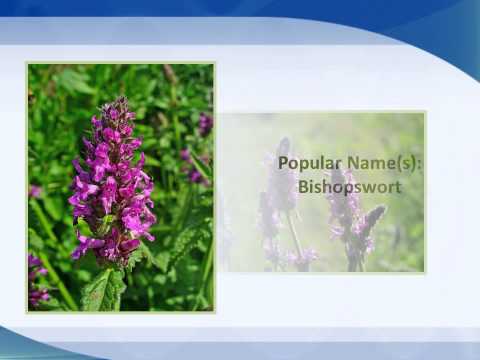
Betony, a lesser-known herb, has been used for centuries in traditional medicine. It belongs to the mint family and is often recognized for its vibrant purple flowers. Its potential health benefits are fascinating, but there’s more to consider.
People often turn to betony for its calming effects. It’s thought that it may help alleviate anxiety and improve sleep quality. Imagine how nice it would be to have a natural remedy at hand when stress hits, right? Studies suggest that betony may have anti-inflammatory properties too, which could benefit conditions like arthritis.
However, while exploring these benefits is intriguing, it’s important to remember that herbs aren’t always harmless. Betony can interact with certain medications or cause side effects like digestive upset in some individuals. Just like with any supplement or herbal remedy, there can be risks involved.
It’s crucial to approach betony thoughtfully. Consulting with a healthcare professional before starting any new herbal treatment is a smart move. Understanding both the positives and negatives allows for better-informed decisions about health.