The information provided in this article is intended solely for general informational and educational purposes. It does not constitute medical advice, diagnosis or professional treatment, and should not be considered a substitute for consultation with a qualified doctor or other licensed healthcare professional. Any health-related decisions should be made in consultation with accredited medical professionals.
While efforts have been made to ensure the information is accurate and up to date, no guarantees are given—either express or implied—regarding its accuracy, completeness, currency or suitability. Use of this information is at your own discretion.
It is strongly recommended to consult official sources such as the NHS (National Health Service) or other recognised medical institutions before acting on any information contained on this website or article. Under no circumstances should professional medical advice be ignored or delayed due to content read here.
This content is of a general and informational nature only. It is not intended to replace individualised guidance from a healthcare professional or to establish any doctor-patient relationship. The publication of this information does not imply any professional responsibility, guarantee or obligation on the part of the author or this site.
Have you ever felt a sudden, sharp pain in your abdomen that leaves you feeling like you can’t catch your breath? You’re not alone. Many people experience something called biliary colic, and it can be pretty unsettling. This isn’t just another stomach ache; it’s linked to issues with your gallbladder which plays a key role in digestion.
You may wonder why knowing about this matters. Understanding the symptoms and causes of biliary colic can help you identify when something’s not right and seek relief faster. The thing is, it often goes unnoticed until that pain strikes hard.
This article will break down what biliary colic really is, how to spot it, and what options are out there for finding relief. It’s important to note though that while we’ll cover a lot of ground here, this content doesn’t replace professional medical advice. Always consult with a healthcare provider before making decisions about your health.
So stick around as we explore this condition together—you might find some valuable insights for yourself or someone you care about.
Finding Comfort and Understanding Your Pain
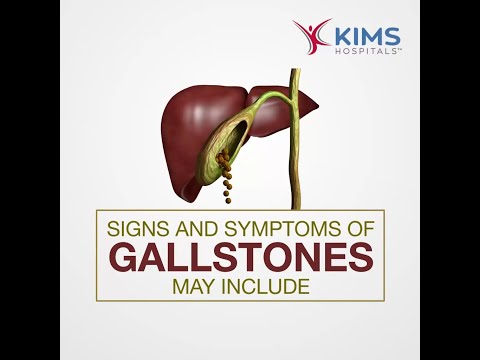
Biliary colic can be a real pain in the gut, literally. It’s often caused by gallstones, which are tiny hard bits that can form in your gallbladder. Imagine them like little pebbles stuck in a pipe, causing discomfort. The key is understanding what’s going on so you can find some relief.
Recognizing Symptoms
When experiencing biliary colic, you might notice sharp pain in the upper right part of your belly. Sometimes it radiates to your back or right shoulder. This isn’t just an everyday ache; it often comes on suddenly and can last from several minutes to a few hours.
Nausea is another common buddy of this condition. You might feel like you want to throw up or even actually do it. This nausea usually accompanies that pesky pain, making everything feel worse.
- Sudden sharp abdominal pain
- Pain radiating to the back and shoulder
- Nausea or vomiting
- Feeling bloated after eating
Finding Relief
Finding comfort isn’t just about dealing with the pain—it’s also about understanding what triggers it. Fatty foods are often culprits. When you eat those greasy fries or rich desserts, your gallbladder has to work harder, which can lead to an attack of biliary colic.
If you’re having an episode, there are things that might help you feel better momentarily. You could try applying heat to your abdomen—a warm compress or heating pad might ease the discomfort quite well.
Sometimes over-the-counter medications like ibuprofen may help alleviate the pain for a little while too! Just remember; it’s always best to talk things over with someone who knows more when it comes to medication.
The Importance of Seeking Help
If you’re having these symptoms regularly, that’s definitely something to look into further with a healthcare provider. They might suggest tests like an ultrasound or CT scan—these help visualize what’s happening inside your body.
Nobody should have to live with unmanageable pain! It’s important that you advocate for yourself and don’t ignore those signals your body’s sending you.
An honest conversation about symptoms with a trusted professional could reveal treatment options tailored for you—whether that’s lifestyle changes or perhaps more serious interventions down the line.
A Closing Thought
Pain is never fun, and understanding where it’s coming from is a big part of finding comfort amidst it all. Remember that you’re not alone in this struggle; many people deal with similar issues every day!
Understanding the Distinctive Signs and Symptoms of Gallbladder Pain
Gallbladder pain can be a bit tricky to spot at times. It’s one of those things that might feel like just another stomachache, but there’s more to it. If you’ve ever experienced sharp, sudden pain in your upper right abdomen, you’re not alone.
What is Biliary Colic?
Biliary colic is a term used for the pain that occurs when there’s a blockage in the bile duct, usually caused by gallstones. Just think of it as a traffic jam in your body. When bile can’t flow smoothly, it can lead to discomfort and cramping.
Recognizing Symptoms
- Sudden Pain: The pain often starts suddenly and is intense.
- Location: You’ll typically feel this pain in the upper right side or middle of your abdomen.
- Radiation: Sometimes it might radiate to your back or right shoulder blade—this can confuse some people.
- Nausea: Feeling sick to your stomach often tags along with gallbladder issues.
- Dyspepsia: Indigestion or bloating can happen after eating fatty foods.
The Timing of Pain
This kind of pain usually comes in waves; you might feel fine one moment and then—bam!—intense discomfort hits. It often lasts between 30 minutes to several hours. Sometimes, after a large meal, particularly heavy or greasy ones, it can flare up too.
Pain versus Other Conditions
You might wonder how gallbladder pain differs from other issues like heartburn or even heart problems. Here’s the thing: gallbladder pain tends to be sharper and more localized compared to general heartburn discomfort. If you’re ever unsure about what’s going on, it’s worth getting checked out.
When to Seek Help
If your abdominal pain becomes unbearable or if you notice fever, chills, or yellowing skin (jaundice), it’s best not to ignore these signs. They may indicate complications associated with gallstones that could need immediate attention.
Lifestyle Changes
You know how sometimes certain foods just don’t sit well? For those with gallbladder issues, reducing fatty foods might help manage symptoms better. A diet full of fruits, veggies and whole grains can make a difference too!
Taking Control of Your Health
The experience of gallbladder pain is not always straightforward but recognizing these signs and symptoms early on is key. Keeping track of what triggers your discomfort could be helpful for future conversations with healthcare providers!
Uncovering the Surprising Causes of Biliary Discomfort
Understanding Biliary Discomfort
Biliary discomfort can be really frustrating. It’s that nagging pain in your upper abdomen, often linked to your gallbladder or bile ducts. So, what causes it? Let’s break it down.
What is Biliary Colic?
Biliary colic refers to intense pain that happens when bile can’t flow freely. Imagine a garden hose with something blocking it. The pressure builds up, and you get a painful response. This blockage might be from gallstones, which are like tiny rocks formed from cholesterol or bilirubin.
Who Gets It?
Actually, many people can experience biliary discomfort. Women are more likely than men to develop gallstones, especially after pregnancy or during hormonal changes. But don’t think guys are off the hook; they can get it too!
Common Symptoms
- Pain in the right upper abdomen.
- Pain between the shoulder blades.
- Nausea and vomiting.
- Bloating or difficulty digesting fatty foods.
This kind of pain usually flares up after eating a heavy meal high in fat. Why? Because when you eat fat, your body releases bile to help digest it. If there’s a blockage, you’re going to feel it!
Surprising Causes
You might be wondering what else could lead to biliary discomfort apart from gallstones. One common culprit is inflammation of the gallbladder, known as cholecystitis. It’s as if that little organ goes haywire trying to keep things moving.
Then there’s sphincter of Oddi dysfunction—sounds complicated, right? But basically, it’s when the valve controlling bile flow malfunctions—like a faulty gate refusing to open properly.
Lesser-Known Factors
Poor diet and obesity play significant roles too! Eating lots of processed foods increases the risk for gallstones and inflammation in your body overall. Think about how junk food feels after you’ve eaten it; that sluggishness isn’t just physical—it can affect organs like your gallbladder too!
Irritable bowel syndrome (IBS) is another surprising factor linked with biliary issues for some people. These conditions affect gut health and might influence how well everything works together down there.
Finding Relief
If you notice these symptoms popping up repeatedly, it’s essential to talk with someone who can help guide you through this process—like a healthcare provider! Meanwhile, keeping track of what triggers your pain might be useful for discussions later on.
- Avoiding fatty meals can alleviate some discomfort temporarily.
- Staying hydrated helps all digestive processes run smoothly.
If you ever feel severe or persistent pain that’s affecting daily life or causing nausea/vomiting regularly, seeking advice is crucial—don’t ignore those signs!
Your Body Knows Best
Your body gives clues about what’s happening inside, so listen carefully! Understanding these surprising causes may help paint an accurate picture of what’s going on with you—or someone close by who may be struggling with these issues too!
Biliary Colic: Recognizing Symptoms and Finding Relief
Biliary colic is often described as an intense pain that signals an issue with the gallbladder, typically due to gallstones. Understanding this condition begins with recognizing the symptoms. Patients usually experience severe, cramp-like pain in the upper right abdomen, which can radiate to the back or shoulder. This pain often occurs after meals, particularly after fatty foods
.
Alongside pain, individuals might feel nausea or even vomit. It’s interesting to note that some people may not immediately associate their discomfort with gallbladder problems since signs can be vague or mistaken for digestive issues. This underscores the importance of awareness and education regarding biliary colic.
Finding relief often involves lifestyle changes and, in some cases, medical intervention. Simple adjustments like dietary modifications—reducing fat intake—can alleviate symptoms for many. When more severe cases arise, surgical options such as laparoscopic cholecystectomy might be considered.
The key takeaway is that early recognition of symptoms can help prevent complications related to biliary colic. Engaging with a healthcare professional when experiencing persistent abdominal pain is crucial for proper diagnosis and treatment.