The information provided in this article is intended solely for general informational and educational purposes. It does not constitute medical advice, diagnosis or professional treatment, and should not be considered a substitute for consultation with a qualified doctor or other licensed healthcare professional. Any health-related decisions should be made in consultation with accredited medical professionals.
While efforts have been made to ensure the information is accurate and up to date, no guarantees are given—either express or implied—regarding its accuracy, completeness, currency or suitability. Use of this information is at your own discretion.
It is strongly recommended to consult official sources such as the NHS (National Health Service) or other recognised medical institutions before acting on any information contained on this website or article. Under no circumstances should professional medical advice be ignored or delayed due to content read here.
This content is of a general and informational nature only. It is not intended to replace individualised guidance from a healthcare professional or to establish any doctor-patient relationship. The publication of this information does not imply any professional responsibility, guarantee or obligation on the part of the author or this site.
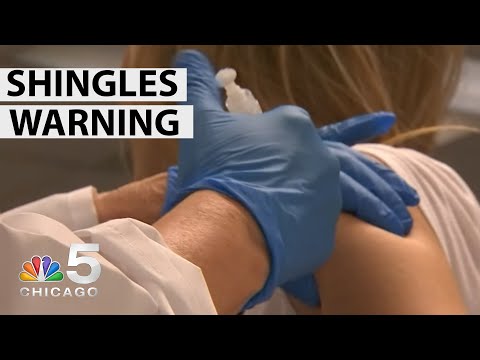
Ever had a rash that itches like crazy and makes you feel miserable? That could be shingles, a painful condition caused by the varicella-zoster virus—the same virus that gives you chickenpox. Here’s a wild fact: about one in three people will get shingles at some point in their life.
If you’re starting to think about getting vaccinated, you’ve probably heard of the shingles vaccine. But wait, how do age requirements come into play? It turns out, there’s a minimum age to receive this vaccine, which is crucial for your health decisions.
This article will break down those age requirements so you can understand when it’s best for you or your loved ones to get vaccinated. We’ll discuss why getting vaccinated is so important and what factors might influence your decision.
Of course, remember that this isn’t medical advice—it’s essential to consult with a healthcare professional before making any health decisions. You want to be well-informed, right?
Discover When You Can Get the Shingles Vaccine at No Cost
Understanding the Shingles Vaccine
The shingles vaccine is important for preventing a painful condition caused by the same virus that causes chickenpox. Shingles can lead to nerve pain and other complications, especially in older adults. So, let’s talk about getting this vaccine and when it may be available at no cost.
Minimum Age Requirements
Typically, people aged 50 and older are encouraged to receive the shingles vaccine. This is because your immune system tends to weaken as you age, making you more susceptible to infections like shingles. The Centers for Disease Control and Prevention (CDC) recommends vaccination at this age.
Medicare Coverage
If you’re on Medicare, you might wonder about costs. The good news? Medicare Part Shingles often covers the entire cost of the shingles vaccine if given by a provider enrolled in Medicare. This means you can get vaccinated without having to worry about out-of-pocket expenses under certain conditions.
Health Insurance Plans
Look, insurance coverage varies widely from plan to plan. Some private health insurance plans also cover the shingles vaccine at no cost for eligible members who meet age requirements or other criteria. It’s best to check with your insurance provider if you have any questions.
The Importance of Timing
You might be thinking—what if I’m younger than 50? Well, while some guidelines suggest waiting until you’re 50, those with certain medical conditions might benefit from earlier vaccination. Always a good idea to chat with your healthcare provider about what’s right for you.
A Word About Availability
Not every pharmacy or doctor’s office will carry the shingles vaccine all the time. Sometimes supply can be an issue! It’s smart to call ahead and ask if they have it in stock before making a trip.
Conclusion
The shingles vaccine can provide significant protection against a painful condition that affects many adults each year. Understanding minimum age requirements and checking your insurance plan helps ensure that you stay healthy without breaking the bank.
Stay Protected: Understanding the Right Timing for Your Shingles Vaccine
Understanding the Shingles Vaccine
Hey there! If you’ve heard about the shingles vaccine but aren’t sure when to get it, you’re in the right place. Let’s break this down together.
What Is Shingles?
Shingles is caused by the same virus that gives you chickenpox. After you recover from chickenpox, the virus can stay in your body and reactivate later as shingles. It can be quite painful and lead to complications.
The Vaccine: Why Bother?
The shingles vaccine helps reduce your risk of getting shingles and its complications. Think of it like a raincoat for a stormy day—you want to be prepared ahead of time.
Minimum Age Requirements
You can start getting vaccinated for shingles at age 50. Some people think it might be too early, but that’s actually when your immune system may start to weaken against this virus.
The Two Types of Shingles Vaccines
- Zoster Vaccine Live (ZVL): This is an older version and isn’t used as much anymore.
- Recombinant Zoster Vaccine (RZV): This is newer and recommended more often. It’s given in two doses, at least two months apart.
Timing Matters
If you’re over 50, it’s a good idea to talk about getting vaccinated sooner rather than later. Imagine waiting for the last minute before a big presentation—you don’t want that stress with your health!
Why Get Vaccinated Earlier?
Your risk of developing shingles increases as you age. By vaccinating earlier, you create better protection for yourself down the line. It’s all about preparing yourself just like how you’d save up money for future expenses.
Do I Need to Worry About Side Effects?
Like any vaccine, there could be side effects—this might include soreness at the injection site or mild fever. These are usually short-lived and far less intense than actually having shingles!
A Quick Recap
- The minimum age for the shingles vaccine is 50.
- You have options between different types of vaccines.
- Timing is important—getting vaccinated can help protect you from future misery!
If you’re unsure or have questions about your specific health situation, it makes sense to reach out for personalized advice. Engaging in conversation with a healthcare provider can offer clarity tailored to you—it’s all about being informed!
You know? Understanding these things can make all the difference in staying healthy as we grow older, so stay curious!
Discover If You Qualify for the Shingles Vaccine This Year
Understanding Minimum Age Requirements for the Shingles Vaccine
The shingles vaccine is an important step in preventing a painful rash caused by the varicella-zoster virus, which can reactivate later in life. This vaccine is especially recommended for older adults, but what age do you need to be? Let’s break it down.
Minimum Age for Vaccination
The Centers for Disease Control and Prevention (CDC) recommends that individuals get vaccinated starting at age 50. This may seem young, but shingles can occur at any age after you’ve had chickenpox, even if you are healthy.
So, what’s the reasoning behind that? Well, as we age, our immune system tends to weaken. That means we’re more vulnerable to infections like shingles. Getting vaccinated earlier can help strengthen your body’s defenses.
Different Vaccines Available
There are two vaccines available: Zoster Vaccine Live (ZVL) and Recombinant Zoster Vaccine (RZV). The RZV is often preferred because it’s more effective and doesn’t contain live virus. You can receive it starting from age 50 too!
- ZVL requires two doses.
- RZV requires only one dose.
If you’re around 50 or older and haven’t received the vaccine yet, now might be a good time to chat with your healthcare provider about it. They’ll consider your health history and any other factors.
Exceptions to Look Out For
A few situations could affect whether it’s advisable for you to get vaccinated right away. If you’ve had a severe allergic reaction to any component of the vaccine or if you’re currently sick with something serious, you should wait until you’re feeling better.
You know?, some people also think that if they’ve had shingles before, they don’t need the vaccine. That’s actually a bit of a myth! Past episodes don’t provide full protection against future outbreaks.
Final Thoughts
If you’re unsure about your eligibility or have additional questions regarding your health status and vaccination timeline—don’t hesitate to reach out! It’s always a good idea to have an open conversation about preventative measures like this one.
Understanding Minimum Age Requirements for the Shingles Vaccine
The shingles vaccine is an important tool in preventing a painful skin rash caused by the varicella-zoster virus. This virus is the same one that causes chickenpox. After having chickenpox, the virus can hide in your body and reactivate later in life as shingles. It’s most common in older adults. But, you know, not everyone can get vaccinated at any age.
Currently, the minimum age for receiving the shingles vaccine is 50 years old for most vaccines available on the market. This guideline stems from research showing that older adults have higher risks of developing shingles and its complications. By vaccinating around this age, we can reduce not only cases but also severe outcomes like postherpetic neuralgia—a condition that causes lingering pain even after the rash has healed.
There are different formulations of shingles vaccines. The live attenuated vaccine was introduced first but has limitations due to its safety profile in immunocompromised individuals or those with certain health conditions. Then there’s a newer recombinant vaccine which is preferred due to its effectiveness and safety across various demographics.
It’s also essential to communicate these requirements clearly to patients or individuals looking for vaccination options. Sometimes people think they can just walk into a clinic and get vaccinated at any time, but healthcare providers must assess age, medical history, and current health status before administering it.
In summary, understanding when someone can get vaccinated against shingles helps prepare people for their healthcare journeys while promoting better health outcomes overall.