The information provided in this article is intended solely for general informational and educational purposes. It does not constitute medical advice, diagnosis or professional treatment, and should not be considered a substitute for consultation with a qualified doctor or other licensed healthcare professional. Any health-related decisions should be made in consultation with accredited medical professionals.
While efforts have been made to ensure the information is accurate and up to date, no guarantees are given—either express or implied—regarding its accuracy, completeness, currency or suitability. Use of this information is at your own discretion.
It is strongly recommended to consult official sources such as the NHS (National Health Service) or other recognised medical institutions before acting on any information contained on this website or article. Under no circumstances should professional medical advice be ignored or delayed due to content read here.
This content is of a general and informational nature only. It is not intended to replace individualised guidance from a healthcare professional or to establish any doctor-patient relationship. The publication of this information does not imply any professional responsibility, guarantee or obligation on the part of the author or this site.
Have you ever thought about the last time you fully appreciated a simple jog in the park? Or just playing with friends without a care in the world? Well, many people once didn’t have that luxury because of polio, a disease that could leave you paralyzed.
That’s where the polio vaccine comes in. Developed decades ago, it’s been crucial in keeping this illness at bay. But let me ask you this: What do you really know about it?
This article dives into understanding the polio vaccine, particularly the inactivated polio vaccine (IPV). We will discuss its benefits and potential risks. Knowing these things helps empower your health decisions.
It’s important to remember though, this piece isn’t a substitute for medical advice. Health decisions should never be made solely based on what you read here; always talk to a healthcare professional about your questions or concerns.
Your health journey deserves clarity and support. Let’s get started!
Weighing the Pros and Cons of Polio Vaccination: What You Need to Know
Understanding the Polio Vaccine (IPV): Benefits and Risks
Polio is a viral disease that can lead to paralysis and, in some cases, even death. The vaccine used to protect against it is called the Inactivated Poliovirus Vaccine (IPV). Let’s talk about the benefits and potential risks associated with getting vaccinated.
Benefits of Polio Vaccination
First off, vaccination can prevent polio effectively. When most people in a community get vaccinated, it helps create herd immunity. This means that even those who can’t be vaccinated—like infants or people with certain health issues—are somewhat protected since the virus has fewer chances to spread.
Another plus is the long-lasting immunity. Once you receive the full series of IPV doses, your body builds up a defense against polio that can last for many years. In fact, it’s considered essential for children to get their immunizations on schedule to stay safe.
Risks Associated with IPV
No medical intervention is without risks, right? With IPV, serious side effects are quite rare. Most people may just experience a mild fever or soreness at the injection site. But it’s important to monitor reactions after vaccination.
A common concern is allergic reactions; although they’re uncommon, they might happen. If someone has had a severe allergic reaction to any part of the vaccine before—well—they should discuss this with a healthcare professional before getting another dose.
The Weighing Act
You might wonder: Are the advantages worth the risks? That’s something many parents ponder when deciding for their kids. The overwhelming evidence supports vaccination as critical for public health.
A real-world example might help here: In places where polio has been eliminated through widespread vaccination campaigns, families no longer live in fear of this debilitating disease taking hold again.
Your Role in Decision-Making
- Stay informed: Knowledge about vaccines allows for better choices.
- Talk openly: Have discussions with family or medical professionals if you’re unsure about anything.
- Misinformation: Be cautious of rumors you hear—often they stem from misunderstandings about how vaccines work.
The bottom line? Weighing pros and cons can sometimes feel overwhelming. Much evidence suggests that protecting public health includes embracing vaccinations like IPV, but understanding your own specific circumstances can help guide your decision-making process more clearly.
Exploring the Hidden Risks of Polio Vaccination
Understanding the Polio Vaccine (IPV)
Polio, short for poliomyelitis, is a disease that can cause paralysis and can be life-threatening. Thanks to vaccines, polio has nearly been eradicated in many parts of the world. But let’s talk about the vaccine itself, particularly the Inactivated Poliovirus Vaccine (IPV). It’s designed to protect you from polio without giving you the disease.
How Does IPV Work?
The IPV contains killed versions of the virus. That means it can’t cause illness but still prompts your immune system to recognize and react to polio if you’re exposed to it in real life. Think of it as training your body’s soldiers (immune cells) without putting them on the battlefield.
Benefits of IPV
- It provides valuable immunity against polio.
- The risk of contracting polio dramatically decreases with vaccination.
- If enough people are vaccinated, herd immunity can occur—protecting those who cannot be vaccinated.
Potential Risks
No vaccine comes without risks, and that’s true for IPV as well. The most common side effects include soreness at the injection site or mild fever. Sometimes people worry about rarer reactions like severe allergic reactions, which are extremely uncommon but possible.
Misinformation About Vaccines
You might hear various myths about vaccines causing health issues like autism or chronic diseases—these claims have been debunked by scientific research. A thing to remember is that responsible organizations continuously monitor vaccine safety.
The Cost-Benefit Perspective
When weighing risks versus benefits, consider this: getting vaccinated against a potentially paralyzing disease likely outweighs small risks present in any medical intervention. For every person who has some adverse reaction, numerous others benefit from being safeguarded against polio.
In Conclusion
The IPV is a crucial tool in preventing poliomyelitis and its complications. Understanding both its benefits and potential risks helps individuals make informed choices about vaccination. Just keep an open dialogue with healthcare providers when you have concerns—they’re there to help! Always prioritize accurate information when navigating through doubts related to vaccines.
Understanding the Hidden Risks of the Polio Vaccine
The poliovirus vaccine, particularly the inactivated polio vaccine (IPV), is crucial in preventing polio. But like any medical intervention, it comes with benefits and risks. It’s important to grasp both sides so you can make informed choices.
First, let’s talk about what IPV actually is. This vaccine contains killed (inactivated) poliovirus. Because the virus is dead, it can’t cause disease. It triggers an immune response instead, helping your body recognize and fight off real infections later on.
Benefits of IPV
The main advantage? IPV has drastically reduced polio cases worldwide since its introduction. Before vaccines, polio caused thousands of cases of paralysis every year. Now, many countries have eliminated it entirely.
But What About Risks?
While serious side effects from IPV are very rare, they can happen. Some individuals might experience mild reactions like fever or soreness at the injection site. These are usually short-lived and not a cause for concern.
An interesting point here is the risk of allergic reactions. Some people may have allergies to components in vaccines like latex or certain preservatives. It’s essential to talk to a healthcare provider if you have known sensitivities.
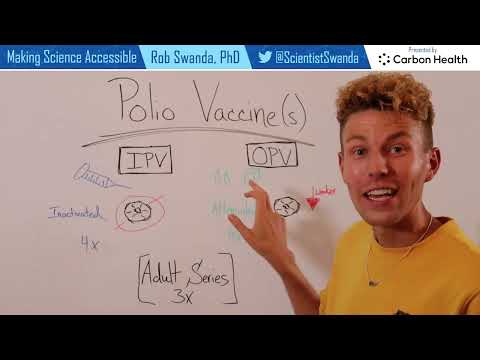
The Oral Polio Vaccine (OPV)
Though we’re focusing on IPV, it’s worth mentioning that there’s also an oral version called OPV. It can provide community immunity but carries a slight risk; in rare cases, it can cause vaccine-derived poliovirus infections.
- Vaccine-derived polio: This means that in specific environments with low vaccination rates, the weakened virus from OPV could mutate and lead to paralysis.
- Community protection: On the flip side, OPV helps create broader immunity within communities when many people get vaccinated.
A Balancing Act
The discussion around vaccine risks shouldn’t scare you away from getting vaccinated but should encourage open conversations with healthcare providers about your concerns and history.
You might wonder: “Why take a chance?” Here’s a thought—considering the historical impact of polio and what paralysis looks like for those affected makes vaccines crucial preventive tools.
Your Role in Decision Making
You play an important role in understanding these risks versus benefits for yourself or your children. It’s perfectly normal to have reservations about vaccinations—how they work and their safety profiles—but addressing those concerns helps you make educated choices.
If you’re looking for more personal nuance regarding health history or specific situations surrounding vaccination—like travel plans or family health history—connecting with healthcare professionals can help clarify things more directly tailored to your needs.
This isn’t just black-and-white; understanding vaccines requires weighing scientific data against personal experiences while considering community health aspects too!
Understanding the Polio Vaccine (IPV): Benefits and Risks
The polio vaccine, specifically the inactivated poliovirus vaccine (IPV), has played a critical role in reducing polio cases worldwide. It works by introducing killed virus particles into the body, which triggers an immune response without causing disease. This mechanism is quite effective in preventing poliomyelitis, a serious illness that can lead to paralysis.
One of the major benefits of IPV is its safety. Since it uses a killed virus, there are minimal risks associated with it compared to the oral polio vaccine (OPV), which can in rare cases lead to vaccine-derived poliovirus. The IPV is particularly recommended for people who might be more vulnerable to complications from live vaccines, such as those with weakened immune systems.
There’s no doubt that the broader impact of IPV on public health has been huge. Thanks to widespread vaccination efforts globally, many countries have eliminated polio entirely, significantly reducing suffering and health care costs related to this disease.
However, it’s important to acknowledge some misconceptions surrounding the vaccine. Some individuals express concerns about vaccine side effects—a common worry among parents. While mild reactions like soreness at the injection site or low-grade fever can occur, serious adverse events are extremely uncommon.
Staying informed about vaccines isn’t just important for individual choices but also for community health. Vaccination creates herd immunity; that means when enough people are vaccinated, those who can’t get vaccinated—like infants or immunocompromised individuals—are also protected through reduced virus circulation.
This understanding fosters a supportive dialogue about vaccines and counters misinformation effectively. Engaging with healthcare professionals who can answer questions directly is crucial for making informed decisions about vaccinations like IPV.