The information provided in this article is intended solely for general informational and educational purposes. It does not constitute medical advice, diagnosis or professional treatment, and should not be considered a substitute for consultation with a qualified doctor or other licensed healthcare professional. Any health-related decisions should be made in consultation with accredited medical professionals.
While efforts have been made to ensure the information is accurate and up to date, no guarantees are given—either express or implied—regarding its accuracy, completeness, currency or suitability. Use of this information is at your own discretion.
It is strongly recommended to consult official sources such as the NHS (National Health Service) or other recognised medical institutions before acting on any information contained on this website or article. Under no circumstances should professional medical advice be ignored or delayed due to content read here.
This content is of a general and informational nature only. It is not intended to replace individualised guidance from a healthcare professional or to establish any doctor-patient relationship. The publication of this information does not imply any professional responsibility, guarantee or obligation on the part of the author or this site.
Ever feel like your body is playing tricks on you? You’re not alone. Many people experience mysterious symptoms that seem to come out of nowhere. One condition that can cause this confusion is lupus—a chronic illness that affects millions.
Lupus is quite complex and can be pretty overwhelming. It’s one of those diseases where its symptoms often mimic other conditions, which makes it tough to diagnose. You might have heard of it or even know someone living with it, but understanding lupus is crucial for both patients and their loved ones.
This article dives into the nitty-gritty of lupus: the symptoms, the possible causes, and some care tips that can help manage life with this condition. By gaining knowledge about lupus, we empower ourselves and others to recognize signs early and seek help promptly.
Keep in mind, though—this content isn’t a substitute for professional medical advice. Always consult a healthcare provider for personalized guidance regarding health decisions. Your health deserves the best attention possible!
Recognizing the Subtle Clues That Could Change Your Health Journey
Recognizing the Subtle Clues of Lupus
Lupus can be a tricky thing to understand. It’s an autoimmune disease, which means your body’s defense system gets confused and starts attacking healthy tissues. That can lead to a lot of different symptoms that might seem unrelated at first. So, it’s important to pay attention to those subtle clues.
Common Symptoms
- Fatigue: Feeling tired all the time? This is one of the most common signs. It’s like running a marathon even when you haven’t moved much.
- Joint Pain: Many people with lupus experience achy joints or swelling. It’s often worse in the morning.
- Rashes: A “butterfly rash” across the cheeks and nose is pretty typical for lupus, but other rashes can occur too.
- Sensitivity to Sunlight: You may notice that your skin reacts badly after being in the sun—like it burns faster than usual.
The thing is, not everyone experiences these symptoms in the same way. Some people might have mild issues, while others could face severe challenges. It’s easy to brush off certain feelings as just being tired or stressed out, right?
Possible Causes
Lupus isn’t totally understood yet, but researchers think it could come from a mix of factors: genetics, environment, and perhaps hormones. If someone in your family has it, you might be at higher risk. Think of it like a game of tag; if one person gets tagged (or diagnosed), others closely connected might also find themselves at risk.
Caring for Yourself
- Regular Check-ups: Staying on top of doctor’s visits helps catch changes early on.
- Avoiding Sun Exposure: Protective clothing or sunscreen can make a big difference if you’re sensitive to sunlight.
- Energizing Foods: Eating well can boost energy levels; try incorporating more fruits and veggies!
You should also consider keeping a journal about any symptoms you notice. Writing things down helps both you and your healthcare provider understand patterns better! Maybe you catch something that seems off—a headache here or joint pain there—and realizing this could be super important for tracking your health journey.
If you’ve had persistent aches or unusual fatigue—or anything else concerning—reaching out for professional advice is key. Sometimes we get caught up in day-to-day life and forget how our health ties into our overall well-being.
The Bottom Line
Lupus presents itself in many forms; recognizing those subtle clues can help navigate its challenges better! Being aware and proactive about changes in how you feel helps ensure you’re taking charge of your health journey effectively!
Unraveling the Triggers Behind Lupus: What You Need to Know
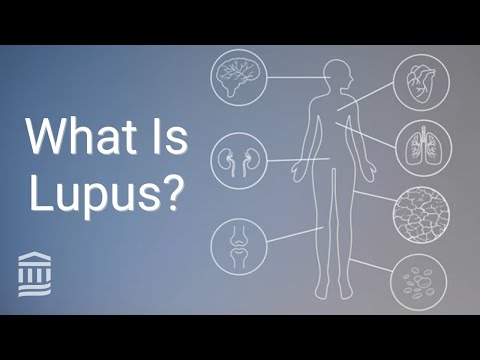
Lupus is a complex autoimmune disease, which means the body’s immune system mistakenly attacks its own tissues. This can lead to inflammation and damage in various parts of the body, including joints, skin, kidneys, and even the heart. So, what triggers this condition? Let’s break it down.
What Are the Symptoms?
Symptoms of lupus can vary from person to person. Some people might experience joint pain or swelling, while others could have a rash that looks like a butterfly across their cheeks and nose. Fatigue is another common symptom.
- Joint pain
- Skin rashes
- Fever
- Fatigue
- Sensitivity to sunlight
- Organ issues
If you ever feel symptoms like these, it’s important to consult with healthcare professionals—even if it’s just for peace of mind.
What Causes Lupus?
The exact cause of lupus isn’t completely understood yet. However, researchers think it’s likely due to a mix of genetic factors and environmental triggers. It’s kind of like baking a cake; you need specific ingredients in just the right amounts for it to turn out well.
The Role of Genetics
If someone in your family has lupus, your risk may be higher. However, not everyone with a family history will develop it. It’s not as simple as saying “my parent had lupus; I will too.” It involves multiple genes interacting in ways we’re still learning about.
Environmental Triggers
Certain environmental factors could kickstart lupus in those who are already predisposed. For instance:
- Sunlight: Excessive exposure can cause skin rashes or even flare-ups.
- Infections: Some viral infections might trigger lupus symptoms or exacerbations.
- Certain medications: Some drugs may provoke a lupus-like reaction in some individuals.
- Stress: Emotional stress can also contribute; think about how stress affects your health overall!
The Importance of Lifestyle Choices
Your lifestyle choices can also impact how well you manage lupus symptoms. Eating a balanced diet rich in fruits and veggies can help support your immunity—like putting gas in your car; good fuel makes everything run smoother!
Aim for regular exercise as well—just moderate activity like walking or swimming can improve mood and energy levels without putting excessive strain on your body.
Caring for Yourself with Lupus
If you live with lupus or care for someone who does, communication is key! Regular check-ups with healthcare providers are vital for monitoring any changes or complications associated with the condition.
- Create a symptom journal: Track what triggers flares.
- Avoid sun exposure: Wear protective clothing and sunscreen when necessary!
- Pace yourself: It’s okay to rest when feeling fatigued; listen to your body!
A Final Note on Understanding Lupus
Lupus is unique for each individual. Learning more about it helps everyone affected by this condition navigate its challenges more effectively together—sharing information creates community strength! If you’re looking into more details about managing it better personally consider reaching out to support groups or local organizations focused on autoimmune disorders—you’re definitely not alone in this!
.
Understanding the Journey Through Lupus’s Final Chapters
Lupus can be a tough journey, especially when reaching the later stages. It’s important to understand what that might look like. You know, every person with lupus has a different experience, so no two journeys are exactly alike. But let’s break down some common themes.
What is Lupus?
Lupus is an autoimmune disease. This means that the immune system, which usually protects us from illness, actually attacks healthy cells by mistake. It’s like your body’s defense team mistakenly seeing its own players as opponents! The result? Inflammation and damage in various body parts.
Symptoms of Advanced Lupus
In the later chapters of lupus, symptoms can become more severe or change. Some common issues include worsening fatigue, joint pain, organ dysfunction, and skin rashes. Picture this: you might feel like you’ve run a marathon after just getting out of bed.
- Fatigue: This can feel overwhelming.
- Pain: Joints hurt more; you may need help just moving around.
- Skin Issues: Rashes can become more frequent or intense.
- Organ Problems: Kidneys and lungs are often affected.
Coping Mechanisms
Coping with advanced lupus often involves a multi-faceted approach. It’s not just about medication; it’s also about support systems and lifestyle changes. Think of having a toolbox at your disposal—different tools for different needs!
- Mediation: It’s crucial for managing symptoms and preventing flare-ups.
- Diet: Eating well can support overall health; consider anti-inflammatory foods.
- A support network: Connect with friends or groups who understand what you’re going through.
The Emotional Side
Mental health plays an important role too. Dealing with chronic illness can lead to feelings of sadness or anxiety—common reactions! Reaching out to therapists or joining support groups often helps lighten emotional burdens.
The Role of Communication
Telling friends and family how you’re feeling is key. They might not always know how to help if you don’t share what you’re experiencing—communication goes a long way! Consider saying something simple like: “Hey, I’m feeling really tired today.” That way, they’ll be more understanding when you need to rest or need some assistance!
Navigating Future Challenges
The final chapters of lupus’ journey may come with uncertainty regarding health outcomes and quality of life. Acknowledge these concerns but try not to dwell on them constantly! Finding small joys in daily life will make this road easier—you know? Celebrate those little victories!
- Pace Yourself: Know your limits and listen to your body.
- Simplify Tasks: Break activities into smaller steps; it reduces overwhelm!
- Your Voice Matters: Speak up during doctor visits about any concern you have; it helps ensure appropriate care
The road may be challenging at times. But remember that you’re not alone on this journey—there are resources available! Manage stress through mindfulness practices such as deep breathing exercises or meditation if possible.. They can help foster resilience in facing this rollercoaster ride called lupus!
Lupus doesn’t define who you are—instead, it’s part of your story that shapes your experiences along the way. Embrace each moment as best as you can!
Understanding Lupus: Symptoms, Causes, and Care Tips
Lupus is a complex autoimmune disease that can be really challenging to understand. It happens when the immune system mistakenly attacks healthy tissue. This can affect various parts of the body like the skin, joints, and organs.
Symptoms of lupus can vary widely between individuals. Some people might experience fatigue and joint pain, while others may face rashes or even organ damage. It’s a bit like being on a rollercoaster—some days you feel great, while other days are tough.
The exact cause of lupus is still unclear. Genetics play a role since it tends to run in families. Environmental factors, such as sun exposure or infections, might trigger symptoms in those who are genetically predisposed. Think of it as a recipe where certain ingredients combine to create the final dish—lupus.
Caring for someone with lupus involves understanding their individual experience with the disease. Regular check-ups with healthcare providers are essential to manage symptoms effectively. Healthy lifestyle choices like balanced eating and regular exercise can also make a significant difference.
Support from friends and family is vital too. Just knowing someone’s there to listen or help out can mean everything for those dealing with this unpredictable condition.
In summary, lupus requires awareness and education for better management both for patients and their loved ones. Understanding its symptoms, causes, and care strategies fosters compassion and builds support networks that are crucial in navigating this challenge together.