The information provided in this article is intended solely for general informational and educational purposes. It does not constitute medical advice, diagnosis or professional treatment, and should not be considered a substitute for consultation with a qualified doctor or other licensed healthcare professional. Any health-related decisions should be made in consultation with accredited medical professionals.
While efforts have been made to ensure the information is accurate and up to date, no guarantees are given—either express or implied—regarding its accuracy, completeness, currency or suitability. Use of this information is at your own discretion.
It is strongly recommended to consult official sources such as the NHS (National Health Service) or other recognised medical institutions before acting on any information contained on this website or article. Under no circumstances should professional medical advice be ignored or delayed due to content read here.
This content is of a general and informational nature only. It is not intended to replace individualised guidance from a healthcare professional or to establish any doctor-patient relationship. The publication of this information does not imply any professional responsibility, guarantee or obligation on the part of the author or this site.
Have you ever felt an unexplained rash or been really fatigued for no reason? It can be confusing and worrying, right? Well, when symptoms like these pop up, they could be linked to conditions like lupus or hives. Understanding these health issues is crucial for maintaining your well-being.
Lupus is an autoimmune disorder that can affect various parts of the body. It makes your immune system act a bit too aggressively. On the other hand, hives are itchy welts on the skin that can result from allergies or stress. Both can be distressing in their own ways, and knowing more about them helps you manage better.
This article will dive into the symptoms you should watch for and discuss effective treatments available today. Remember, though: this content doesn’t replace professional medical advice. Always consult a healthcare professional when making decisions about your health.
By gaining insight into lupus and hives, you empower yourself in conversations with caregivers and can advocate for your own health more effectively!
Recognizing the Subtle Symptoms that Could Make a Difference
Recognizing the Subtle Symptoms of Lupus
Hey, so lupus is one of those conditions that’s often misunderstood. It’s an autoimmune disease, which means that the body’s immune system mistakenly attacks healthy cells. If you or someone you know has this condition, recognizing symptoms early can really help manage it.
One very subtle symptom is fatigue. Everybody feels tired sometimes, right? But with lupus, it’s like being exhausted even after a full night’s sleep. It can really affect daily activities.
Another sign might be skin changes. Some people develop a butterfly-shaped rash across their cheeks and nose. This isn’t just any rash; it can be a hint that something’s off with your immune system.
Joint pain is also common in lupus patients. It might feel like your joints are stiff or sore for no clear reason. Sometimes it comes and goes, which can make it tricky to pin down.
Hives: A Surface-Level Concern
No one likes itchy skin! Hives are those welts that pop up on the skin—sometimes unexpectedly. They can be caused by allergies or even stress! If you’re seeing these little bumps frequently, it’s worth paying attention to.
The thing is, hives often goes away soon after they appear but if they stick around for more than six weeks—known as chronic hives—it could signal something deeper at play.
You might notice that your hives flare up after you eat certain foods or come into contact with specific substances—like pollen or pet dander—and recognizing this pattern can help in avoiding triggers.
Treatment Approaches
Treating lupus usually involves medication aimed at suppressing the immune response and reducing inflammation. Steroids and antimalarials are common choices for managing symptoms. Hives treatment often includes antihistamines to relieve itching and swelling.
It’s important to work closely with a healthcare provider to find what works best for you because everyone’s body reacts differently. Communicating openly about what symptoms you’re experiencing can lead to better care strategies.
Final Thoughts
The nuances in symptoms of lupus and hives highlight how interconnected our body systems are. Paying attention to subtle signs—even when they don’t seem serious—could lead to more effective management strategies down the line.
If you’ve got concerns about symptoms you’re noticing in yourself or someone else, it’s always good to reach out for more information from trusted sources or professionals who specialize in these areas!
Understanding the Final Journey of Lupus: Insights and Reflections
Understanding the Final Journey of Lupus
Lupus is a complex autoimmune disease that can make life quite challenging. When we talk about the final journey of lupus, it’s not about the end itself but more about understanding what happens as the disease progresses.
What is Lupus?
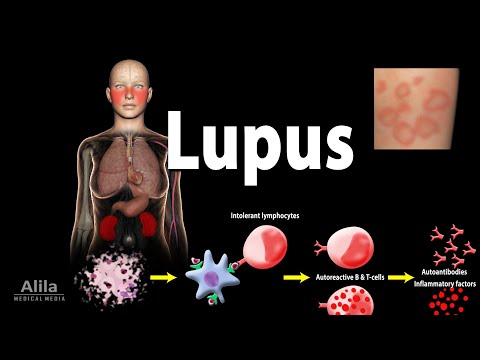
Lupus occurs when your immune system mistakenly attacks healthy tissue. Think of it like a security system going haywire, targeting everything in front of it instead of just intruders. It can affect skin, joints, kidneys, and many other organs.
Symptoms to Watch For
People with lupus often experience joint pain, fatigue, and rashes (like that butterfly rash across the cheeks). You might also notice sensitivity to sunlight or even fevers for no clear reason. Symptoms can vary widely from person to person.
Progression of Lupus
The progression isn’t linear. Some folks may have mild symptoms for years while others face severe issues early on. You know how some days are just better than others? That’s often true with lupus too. Flare-ups occur—periods where symptoms get worse.
The Role of Treatment
Treatment aims to manage these symptoms and minimize flare-ups. Medications can help reduce inflammation and suppress the immune system a bit. But finding the right cocktail takes time and patience—it’s not always simple.
Coping with Challenges
Coping with lupus involves addressing both physical and emotional health. It’s common to feel isolated or overwhelmed; connecting with support groups can really help you feel less alone in this journey.
End-of-Life Considerations
The final journey for someone with lupus varies greatly among individuals. Some may face organ damage due to prolonged inflammation which needs careful management in advanced stages.
Reflecting on Life with Lupus
If you’re caring for someone or dealing with this yourself, reflection on moments—good and bad—is important. It’s normal to have mixed feelings; understanding these complexities helps you cope better.
Lupus and Hives: A Quick Note
Lupus isn’t just about long-term struggles; sometimes it shows up as skin issues like hives too! Hives are swollen areas on your skin usually caused by allergic reactions or irritants, which makes them frustrating when you’re already managing lupus.
Finding effective treatments often involves antihistamines or corticosteroids if hives become a problem during a flare-up.
A Word About Awareness
This journey is personal for everyone involved and gaining awareness around lupus plays a fantastic role in fostering empathy towards those who live daily life with it.
Each story adds richness to our understanding—don’t hesitate to share yours too!
Uncover the Hidden Signs of This Complex Condition
Understanding Lupus
Lupus is an autoimmune disease, which means the body’s immune system attacks its own healthy tissues. Think of it like a mistakenly identifying your own cells as intruders. This can lead to inflammation and damage to various parts of the body.
One common misconception is that lupus solely affects older adults. In reality, it can strike at any age, often in young women. The exact causes are still poorly understood, but genetics and environmental factors may play a role.
Symptoms of Lupus
The symptoms of lupus can vary widely from person to person. Some people only experience mild issues, while others face more severe problems.
- Fatigue: Feeling constantly tired is super common.
- Joint Pain: Many folks report achy joints that come and go.
- Skin Rashes: A butterfly-shaped rash across the cheeks is a classic sign.
- Fever: Unexplained fevers might pop up too.
Sometimes these symptoms flare up (meaning they get worse), then mellow down again. It often leads to confusion because one day you feel okay, then suddenly not.
Diving Into Hives
Hives, or urticaria, are raised welts on the skin that appear suddenly. They can be itchy and bothersome but usually aren’t serious. They might develop in response to allergens like certain foods or medications.
Signs of Hives
You might notice hives appearing as red or skin-colored bumps on your skin. They can change in size and shape quickly—almost like magic! In many cases, they go away on their own within hours or days.
- No Cause Identified: Sometimes hives show up without any obvious reason.
- Sweating or Exercise: Believe it or not, sweating from exercise can trigger them in some people too!
Treating Lupus and Hives
Treatment for lupus typically involves managing symptoms rather than curing the disease itself. This may include medications like anti-inflammatory drugs or corticosteroids for symptom relief.
If you have hives, antihistamines are commonly used to relieve itching and help reduce swelling. Lifestyle changes like avoiding triggers might also help prevent flare-ups.
The Importance of Support
If you suspect you have lupus or experience frequent hives, reaching out to a healthcare provider is crucial—they will help tailor treatment specifically for you based on your symptoms and history.
No two journeys with these conditions are alike—but with understanding and support strategies in place, living life fully is definitely possible!
Understanding lupus and hives can be quite challenging, as both conditions present unique symptoms and require different approaches for treatment. Lupus, an autoimmune disease, occurs when the immune system mistakenly attacks healthy tissues. It can affect various body systems, leading to symptoms like joint pain, fatigue, skin rashes, and even organ damage.
On the other hand, hives—also known as urticaria—are raised welts on the skin caused by an allergic reaction or irritation. While hives may be temporary and often resolve quickly with antihistamines or avoiding triggers, lupus needs a more comprehensive management plan because it’s a chronic condition.
It’s essential to recognize the signs of both conditions early on. For lupus patients, effective treatments may include anti-inflammatory medications and immunosuppressants to control flare-ups. In contrast, treating hives usually involves identifying the allergen or irritant and using over-the-counter medications to alleviate discomfort.
Education plays a vital role in managing these conditions. Patients should work closely with healthcare providers to develop personalized treatment plans. Overall, understanding these diseases fosters better communication between patients and doctors, leading to more effective care.