The information provided in this article is intended solely for general informational and educational purposes. It does not constitute medical advice, diagnosis or professional treatment, and should not be considered a substitute for consultation with a qualified doctor or other licensed healthcare professional. Any health-related decisions should be made in consultation with accredited medical professionals.
While efforts have been made to ensure the information is accurate and up to date, no guarantees are given—either express or implied—regarding its accuracy, completeness, currency or suitability. Use of this information is at your own discretion.
It is strongly recommended to consult official sources such as the NHS (National Health Service) or other recognised medical institutions before acting on any information contained on this website or article. Under no circumstances should professional medical advice be ignored or delayed due to content read here.
This content is of a general and informational nature only. It is not intended to replace individualised guidance from a healthcare professional or to establish any doctor-patient relationship. The publication of this information does not imply any professional responsibility, guarantee or obligation on the part of the author or this site.
Ever wonder how much you really know about the nutrients your body needs? Take manganese and magnesium, for example. You might not think about them daily, but they play super important roles in keeping you healthy.
Manganese helps with things like bone formation and metabolism. Magnesium? It’s a powerhouse for muscle function and energy production. But here’s the kicker: people often confuse the two or overlook their significance altogether.
This article dives into how these minerals impact your health and why understanding them matters. Trust me, knowing the difference can help you make better choices in your diet. Maybe you’re feeling fatigued or have muscle cramps? It could be linked to a deficiency in one of these nutrients.
But hey, don’t take this as medical advice! It’s really important to chat with a healthcare professional before making any changes based on what you read here. They can give you personalized guidance tailored to your needs.
Let’s explore the fascinating world of manganese and magnesium together!
Exploring the Benefits and Considerations of Combining Manganese and Magnesium
Understanding Manganese and Magnesium
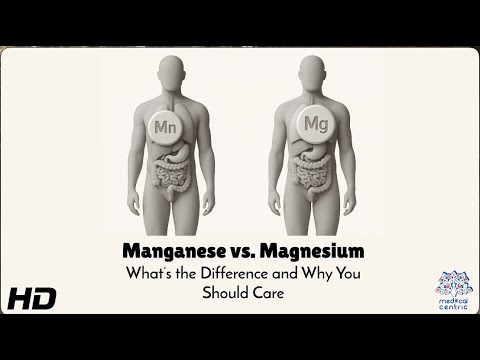
Manganese and magnesium are both important minerals for our health. While they sound similar, each one has unique roles in the body. Manganese supports metabolism, bone formation, and helps in antioxidant defense. Magnesium, on the other hand, is crucial for muscle function, nerve signaling, and energy production.
Benefits of Manganese
Manganese is often overlooked but plays a key role. It helps with forming connective tissues and bones. It’s also involved in processing cholesterol and nutrients from food. Think of it like a helper that ensures many processes run smoothly in our bodies.
Benefits of Magnesium
Magnesium is quite popular in health conversations. It helps regulate blood pressure and maintains normal muscle function. You know that feeling when you’re super stressed? Magnesium can help relax your muscles and mind! You might find it in foods like nuts, beans, and green leafy vegetables.
Combining Manganese with Magnesium
Now you might wonder why combine these two minerals? Well, some studies suggest they can work together synergistically—basically meaning they can enhance each other’s benefits when taken together.
- Skeletal Health: Both minerals contribute to bone health; manganese aids formation while magnesium ensures strength.
- Nervous System: Their combined effects may promote better nervous system functioning.
Considerations When Combining Them
You should be aware of how much you’re getting from different sources. While a balanced diet usually provides adequate amounts of both minerals, supplements might need attention. Too much manganese can lead to toxicity over time—especially if combined with deficiency of magnesium.
You know the saying “too much of a good thing”? It applies here as well!
Food Sources
If you’re looking to boost your intake naturally, focus on foods rich in these minerals.
Whole grains are a great source for manganese; think brown rice or oats. For magnesium, reach for nuts or dark chocolate—it’s a delicious way to get nutrients!
Taking Supplements?
If you’re considering supplements—always chat with someone who knows about nutrition! Some people might need extra manganese or magnesium due to specific conditions or diets.
But don’t just grab anything off the shelf because you saw it online!
Minding Possible Interactions
A note worth mentioning: manganese can interfere with the absorption of certain medications like antacids or calcium supplements.
It’s important to space out when you take them if both are involved in your regimen.
- Caution: Those with liver disease should be particularly careful since excessive manganese can accumulate more easily.
- Diversity Matters: A varied diet typically offers enough nutrients without needing too much thought on combining them specifically.
The Bottom Line
Both manganese and magnesium offer distinct advantages for our health when included appropriately
in our diets. Balancing their intake through foods is generally sufficient for most people.
As always—staying informed helps make better choices regarding nutrition!
Unlock the Power of Nutrient-Rich Foods for a Vibrant Life
Manganese and Magnesium: What They Are
Hey, let’s break down these two essential nutrients. Manganese and magnesium might sound similar, but they have different roles in the body. Manganese is a trace mineral, meaning you need it in smaller amounts. It helps with bone formation, metabolism, and supports your antioxidant defenses. Magnesium, on the other hand, is a bit more common. It’s crucial for hundreds of biochemical reactions in your body including muscle function and energy production.
Why Are They Important?
You know how we often talk about maintaining good health? Well, manganese plays a role in keeping our bones strong and helps to sustain healthy blood sugar levels. If that sounds complicated, just think of it as helping your body run smoothly.
Magnesium is equally important; it supports nerve function and helps maintain a steady heartbeat. Imagine magnesium as the calming element that keeps everything ticking along nicely. A lack of either can lead to some issues down the road.
Food Sources
The good news is that you can find both of these nutrients in various foods! For manganese, think nuts (like pecans), whole grains (like brown rice), and leafy green veggies (like spinach). These foods are packed with other nutrients too!
Now for magnesium, you’ll want to check out leafy greens again (hello kale!), legumes like beans or lentils, nuts especially almonds or cashews, and even whole grains like oats. It’s all about incorporating these items into your meals.
Signs of Deficiency
Sometimes people don’t realize they might be low on these nutrients until they start feeling odd. Low manganese levels can lead to bone issues or thyroid problems. Symptoms could include weakness or impaired wound healing.
If you’re short on magnesium? You might experience muscle cramps or fatigue—think about how you’d feel after a long day without proper rest.
Your Balance Matters
If there’s one takeaway here it’s balance! Both minerals are essential but get too much of one thing without adequate intake of the other could cause complications too? Even though deficiencies are rare thanks to diet variety today.
Always pay attention to how you feel because nutrition isn’t a one-size-fits-all deal! Sometimes consulting with someone who understands nutrition can help dial things in even further.
Wrapping It Up
Manganese and magnesium are vital for different reasons but ultimately work together for better health outcomes. Think about them as teammates working toward keeping you vibrant throughout life!
Unveiling the Distinct Benefits and Roles of Two Essential Minerals
Manganese and Magnesium: Two Key Players
Manganese and magnesium are two minerals that play crucial roles in our health. Despite their similar names, they have different functions in the body. It’s easy to mix them up, but understanding their unique benefits can help you make informed choices about your diet.
What is Manganese?
Manganese is a trace mineral, which means we need it in smaller amounts than other nutrients. It helps with bone formation, metabolism of carbohydrates, and the antioxidant defense system. Antioxidants protect cells from damage caused by free radicals—that’s sort of like having a shield against harmful invaders.
Benefits of Manganese
- Bone Health: Manganese plays an important role in forming bones and connective tissue. Think of it as a building block for your skeleton.
- Metabolism: It assists in processing fats and carbohydrates, making it vital for energy production.
- Antioxidant Properties: By helping to combat oxidative stress, manganese contributes to your overall wellbeing.
The Role of Magnesium
Magnesium is involved in more than 300 biochemical reactions in the body! That’s a lot of jobs for one mineral! It’s key for muscle function, nerve transmission, and regulating blood pressure.
Benefits of Magnesium
- Mental Health: Some studies suggest that magnesium can play a role in mood regulation—like helping to keep those blues at bay.
- Skeletal Muscle Function: If you’ve ever had a cramp or twitchy muscles, magnesium might be what you’re lacking!
- Nerve Function: Magnesium supports signaling between nerves; think about how this keeps everything running smoothly.
Manganese vs. Magnesium: A Quick Look
You may wonder how these two compare. While both are essential, their functions differ widely. For instance, if manganese is like the construction crew keeping your bones strong, magnesium acts like the electrical system ensuring everything operates without hiccups!
Sourcing These Minerals from Your Diet
You can find manganese in foods like nuts, whole grains, and leafy green vegetables. On the other hand, magnesium is found abundantly in nuts too but also in seeds and legumes—so snacking on both can benefit you!
A Word on Deficiencies
Lack of either mineral can lead to health issues. Insufficient manganese may affect bone health while low magnesium levels could result in muscle cramps or fatigue. Getting enough through food or supplements is vital but consult with someone who knows about nutrition before making changes!
If there’s anything worth noting here it’s that balance is key! Both minerals are essential to our health but they have different roles—kind of like how different players contribute to winning a game together.
Manganese vs. Magnesium: Essential Nutrients for Your Health
Understanding nutrients like manganese and magnesium is crucial for maintaining our health. Both are often overlooked, but they play vital roles in bodily functions.
Starting with magnesium, this mineral is key for muscle function, nerve transmission, and energy production. It helps convert food into energy, which is pretty important. Without enough magnesium, you might experience muscle cramps or fatigue. You can find magnesium in foods like nuts, seeds, and leafy greens.
On the other hand, manganese isn’t as well known but is equally important. It’s involved in bone formation and the metabolism of carbohydrates and fats. Manganese acts as an antioxidant too, helping to protect your cells from damage. Good sources include whole grains, leafy vegetables, and tea.
Both nutrients work synergistically in many body processes. For instance, they collaborate in enzyme functions that assist digestion and bone health. It’s intriguing how these minerals can complement each other.
Deficiencies can lead to various health issues—magnesium deficiencies may cause muscle spasms or sleep problems while low manganese levels can result in skeletal issues or metabolic problems.
While supplementation is available for both minerals, it’s best to prioritize getting them from food sources first. Whole foods offer a range of nutrients that supplements alone cannot provide.
Incorporating a variety of foods into your diet helps ensure you get enough manganese and magnesium without overthinking it too much—balance is key!
So next time you’re planning a meal or snack, think about adding some nuts or whole grains to boost these essential nutrients into your diet!