The information provided in this article is intended solely for general informational and educational purposes. It does not constitute medical advice, diagnosis or professional treatment, and should not be considered a substitute for consultation with a qualified doctor or other licensed healthcare professional. Any health-related decisions should be made in consultation with accredited medical professionals.
While efforts have been made to ensure the information is accurate and up to date, no guarantees are given—either express or implied—regarding its accuracy, completeness, currency or suitability. Use of this information is at your own discretion.
It is strongly recommended to consult official sources such as the NHS (National Health Service) or other recognised medical institutions before acting on any information contained on this website or article. Under no circumstances should professional medical advice be ignored or delayed due to content read here.
This content is of a general and informational nature only. It is not intended to replace individualised guidance from a healthcare professional or to establish any doctor-patient relationship. The publication of this information does not imply any professional responsibility, guarantee or obligation on the part of the author or this site.
Have you ever noticed unusual red spots on your skin that seem to pop up out of nowhere? Or maybe someone in your family has mentioned nosebleeds that don’t seem to stop? These could be signs of something called Osler-Weber-Rendu disease, also known as hereditary hemorrhagic telangiectasia (HHT). Sounds complicated, right? Don’t worry; we’re going to break it down.
This article will explore the key causes and symptoms of Osler-Weber-Rendu disease. It’s a genetic condition that affects blood vessels, leading to those pesky little spots and more serious complications. With the right knowledge, you can understand what’s happening in your body or someone else’s.
Why is this important? Well, recognizing the signs early can make a big difference. It can help you navigate healthcare decisions and seek support when needed. Remember though, while this information is insightful, it doesn’t replace professional medical advice. Always consult a healthcare professional for personalized guidance and treatment options.
Unraveling the Connections: A Deep Dive into the Osler-Weber-Rendu Syndrome Triad
Understanding Osler-Weber-Rendu Syndrome
Osler-Weber-Rendu syndrome, sometimes called hereditary hemorrhagic telangiectasia (HHT), is a genetic disorder. It causes blood vessel abnormalities that can lead to various symptoms. You might not have heard of it before, but it’s important to know a bit more about it.
The Triad of Symptoms
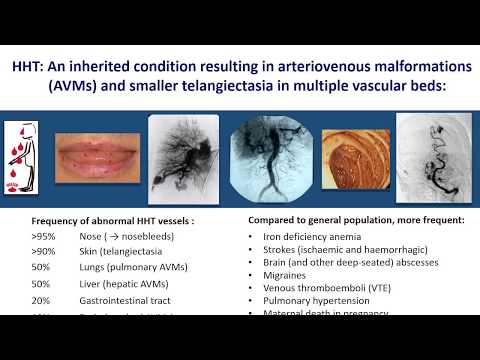
The main features of this syndrome can be summed up in a triad: telangiectasia, arteriovenous malformations (AVMs), and nosebleeds. Let’s break these down.
- Telangiectasia: These are small red spots or lesions on the skin, mainly on the face and inside the mouth. They result from enlarged blood vessels. Think of them like tiny spider webs just under your skin.
- Arteriovenous Malformations (AVMs): These are tangled blood vessels that connect arteries directly to veins. It’s like having a shortcut in your circulatory system that skips over some parts, which can cause complications.
- Nosebleeds: Frequent nosebleeds are one of the hallmark symptoms. They occur due to fragile blood vessels in your nasal passages bursting easily.
Genetics and Causes
This condition is inherited in an autosomal dominant pattern. This means that if one parent has the gene mutation, each child has a 50% chance of inheriting it. Basically, it’s embedded in your DNA.
The genes involved include ENG and ACVRL1. Having these mutations leads to abnormal blood vessel formation over time. But don’t worry—just because you have relatives with HHT doesn’t mean you’ll develop severe symptoms.
The Impact on Daily Life
If someone has this syndrome, they might experience episodes of bleeding or require regular check-ups for AVMs especially in vital organs like the lungs or brain.
An individual with severe cases may even need treatment options like laser therapy for bleeding spots or surgery for AVMs. But again, each case is unique and often manageable with proper care.
Misperceptions About Osler-Weber-Rendu Syndrome
Some people think it’s rare and no one really needs to worry about it—this isn’t necessarily true! It’s believed that many people may go undiagnosed since symptoms can be mild or appear gradually over time.
If someone has unexplained nosebleeds often or unusual red marks on their skin, it’s wise to consult with a healthcare provider who knows about HHT.
Wrapping Up Thoughts
You see, understanding Osler-Weber-Rendu syndrome goes beyond just knowing its name; it’s about recognizing how it affects people’s lives every day. Awareness can make a significant difference in management and quality of life for those impacted by this condition!
Navigating Effective Options for Managing Osler-Weber-Rendu Syndrome
Osler-Weber-Rendu syndrome, often called hereditary hemorrhagic telangiectasia, is a genetic condition. It’s characterized by abnormal blood vessels. These vessels can lead to excessive bleeding and other complications.
First off, understanding the symptoms is crucial. People with this condition may experience nosebleeds, small red spots on the skin, and digestive tract bleeding. It’s like having a leaky faucet—sometimes it drips, sometimes it gushes.
What Causes It?
The root cause of Osler-Weber-Rendu syndrome lies in genetic mutations. These changes affect how blood vessels develop. If you have family members who also have it, there’s a higher chance you might too.
How Is It Diagnosed?
A healthcare provider usually diagnoses the syndrome through a combination of your medical history and physical examination. Sometimes genetic testing can help confirm it. Think of it like putting together pieces of a puzzle; each part gives clearer picture.
Managing Symptoms
Managing this syndrome typically involves addressing symptoms as they arise instead of curing the condition outright. For example, nosebleeds may be managed with nasal sprays or cauterization—a process where heat seals blood vessels to prevent bleeding.
- Nosebleeds: Keeping the nasal passages moist can help minimize incidents.
- Bowel issues: Dietary changes or medication may be suggested if there’s gastrointestinal bleeding.
- Liver involvement: Regular check-ups are essential since vascular malformations can occur there too.
Treatment Options
Sometimes procedures are necessary to treat more severe symptoms or complications of the syndrome. For example, embolization is one approach; this involves blocking abnormal blood vessels to reduce bleeding risks. Kind of like putting a cork in that pesky bottle!
Lifestyle Adjustments
Mild lifestyle changes can also make a difference in managing symptoms effectively. Staying hydrated helps maintain vascular health—sorta like keeping your car’s engine well-oiled prevents it from overheating!
- Avoiding high altitudes where low oxygen levels could worsen symptoms is worth considering.
- Pacing yourself during physical activities supports overall well-being and reduces strain on your body.
The Importance of Support Systems
Don’t underestimate the power of support from family members and friends! Connecting with support groups can also offer emotional backing and valuable practical advice from others facing similar challenges—like sharing tips for navigating rough roads together!
If you’re feeling overwhelmed by managing this condition or unsure about treatment options, it’s always okay to reach out for help from healthcare professionals who understand Osler-Weber-Rendu syndrome well. They can guide you towards making informed decisions tailored just for your situation!
Recognizing the Signs: What Your Body is Telling You
Understanding Osler-Weber-Rendu Disease
Hey, have you ever heard of Osler-Weber-Rendu disease? It’s a genetic condition that affects blood vessels. The thing is, people with this condition have abnormal blood vessels that can lead to bleeding issues.
Key Causes
This disease is usually inherited, which means it can run in families. It’s caused by mutations in certain genes, like the ENG or ACVRL1 genes. These genes play a role in how blood vessels develop. When they don’t work right, that’s when problems start arising.
It’s important to understand that not everyone will experience symptoms in the same way. Some might not even realize they have it until later in life. Isn’t that interesting?
Recognizing Symptoms
So, what should you be looking for? One common sign is frequent nosebleeds. They might seem normal at first, but if they’re happening often and without any clear reason, it’s time to pay attention.
- Skin Lesions: You might notice small red or purple spots on your skin—these are called telangiectasias and are easy to miss.
- Anemia: If you’re feeling constantly tired or weak, anemia could be why; it happens when there’s less iron in your blood due to bleeding.
- Gastrointestinal Bleeding: This one’s serious; if you notice any black stools or vomit that looks like coffee grounds, reach out for help.
- Pulmonary Issues: Sometimes there can be issues with the lungs due to abnormal vessels—this can lead to shortness of breath or chest pain.
The Importance of Awareness
The real challenge can be recognizing these signs before they lead to bigger problems. Honestly, knowledge is power! If you think you’re experiencing symptoms related to this condition—or even if you’re just curious—talking with a healthcare provider is always a good move.
You know how some people might dismiss their signs as just a part of aging? That’s where awareness becomes crucial. Early detection can make management easier and help prevent complications down the line.
A Community Perspective
If you’re dealing with Osler-Weber-Rendu disease or know someone who is, connecting with support groups can provide valuable insights and experiences from others facing similar challenges. Sharing stories helps everyone feel less alone.
Your body communicates with you all the time; it’s like having an internal guide. Being attentive to these signals—like unusual bleeding or persistent fatigue—is essential for overall health.
A Thoughtful Approach
No medical condition should ever define you completely. Recognizing these signs doesn’t mean living in fear; instead, it empowers you to take charge of your health journey and make informed decisions! Keep learning about what your body tells you—it’s worth it!
Understanding Osler-Weber-Rendu Disease: Key Causes and Symptoms
Osler-Weber-Rendu disease, often referred to as hereditary hemorrhagic telangiectasia (HHT), is a genetic disorder characterized by abnormal blood vessel formation. This condition can lead to significant health challenges. But let’s break it down.
The disease is caused by mutations in specific genes that play a role in blood vessel development. These mutations affect how blood vessels form and function. Imagine trying to build a road without proper materials—eventually, it becomes unsafe and poorly structured. That’s kind of what happens with blood vessels in HHT.
Symptoms typically start appearing in childhood or adolescence but may go unnoticed for years. Common signs include frequent nosebleeds, which can be annoying but are often brushed off as just allergies or dry air. However, they can indicate underlying issues with blood vessel integrity.
Individuals may also develop small red dots on the skin, called telangiectasias. These occur because the small blood vessels are more fragile than normal ones. Picture them like balloons that get worn out over time—they might pop or leak with little pressure.
A more severe manifestation of the disease is arteriovenous malformations (AVMs)—abnormal connections between arteries and veins that can occur in organs like the lungs or liver. This can lead to serious complications if not monitored properly.
It’s vital for people affected by this condition to work closely with healthcare professional teams familiar with HHT. Understanding the genetic nature of this disorder helps families know their risks through genetic counseling.
Overall, recognizing the early signs of Osler-Weber-Rendu disease is crucial for effective management and treatment options, enhancing quality of life for those impacted by it.