Charcot-Marie-Tooth Disease (CMT) might sound complex, but it’s a condition that affects many people worldwide. Imagine if the wires in your house became frayed and caused flickering lights—that’s somewhat like what happens to the nerves in CMT. It’s a genetic disorder that impacts peripheral nerves, leading to muscle weakness and sensory issues.
Understanding CMT begins with recognizing its causes, primarily genetic mutations that disrupt the nerve’s ability to send signals effectively. This can lead to symptoms such as muscle weakness, foot deformities, and loss of sensation in the limbs. The experience varies widely among individuals; some may notice mild symptoms while others may find their daily activities considerably impacted.
It’s essential to approach this topic thoughtfully. Information about CMT can be complex and sometimes overwhelming. Always **seek insights from various specialists** like neurologists and genetic counselors. Different professionals provide unique perspectives on diagnosis, management, and support options.
While it’s tempting to rely on a single article or source for information on CMT, remember that learning is an ongoing journey. Ensure you consult reputable resources and engage with healthcare providers who understand your unique situation. Staying informed will empower you to make educated decisions about your health or support others with this condition effectively.
The information provided in this article is intended solely for general informational and educational purposes. It does not constitute medical advice, diagnosis or professional treatment, and should not be considered a substitute for consultation with a qualified doctor or other licensed healthcare professional. Any health-related decisions should be made in consultation with accredited medical professionals.
While efforts have been made to ensure the information is accurate and up to date, no guarantees are given—either express or implied—regarding its accuracy, completeness, currency or suitability. Use of this information is at your own discretion.
It is strongly recommended to consult official sources such as the NHS (National Health Service) or other recognised medical institutions before acting on any information contained on this website or article. Under no circumstances should professional medical advice be ignored or delayed due to content read here.
This content is of a general and informational nature only. It is not intended to replace individualised guidance from a healthcare professional or to establish any doctor-patient relationship. The publication of this information does not imply any professional responsibility, guarantee or obligation on the part of the author or this site.
Unraveling the Genetic Mysteries Behind a Common Nerve Disorder
Charcot-Marie-Tooth disease (CMT) is a common genetic nerve disorder. It affects the peripheral nerves, which are the ones outside your brain and spinal cord. CMT impacts movement and sensation in arms and legs.
The condition is named after three doctors who identified it over a century ago. It’s not one disease, but a group of inherited disorders. This means it runs in families and can be passed down from parents to children.
The main cause of CMT is mutations in specific genes. These genes are responsible for making proteins that help maintain healthy nerve cells. Think of them as instructions that guide how your body builds important parts. When these instructions go wrong, nerves can become damaged.
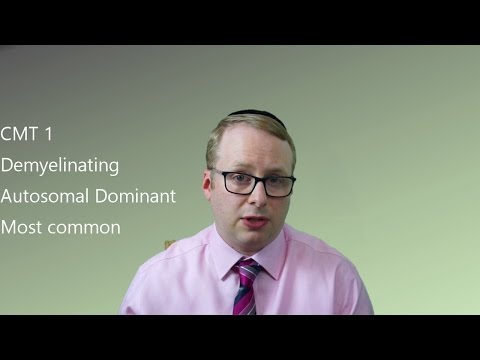
There are several types of CMT, each linked to different genetic mutations. For example, CMT1A is the most common type, caused by a mutation in the PMP-22 gene. It affects how well nerve signals travel between muscles and the brain.
Symptoms can vary widely among individuals with CMT. Some may experience muscle weakness or atrophy, while others might notice loss of sensation in their feet or hands. Feet deformities, like high arches or hammertoes, are also common.
Diagnosing CMT often involves a combination of tests such as genetic testing and nerve conduction studies. This helps determine which type you might have based on your symptoms and family history.
Living with CMT can present challenges but there are ways to manage symptoms effectively. Physical therapy can strengthen muscles and improve mobility, while occupational therapy helps with daily tasks.
Education about this condition is extremely important for those affected by it. Understanding what CMT is allows individuals to advocate for themselves better and make informed choices about their care.
It’s also crucial to debunk some myths surrounding this condition. For instance, many believe CMT only affects older adults; however, symptoms often appear in childhood or early adulthood.
Research continues into understanding more about the genetics behind CMT and finding potential treatments. Scientists aim to uncover new therapies to improve quality of life for those living with this disorder.
If you think you may have symptoms related to Charcot-Marie-Tooth disease or have questions about genetics, discussing these with a healthcare professional is essential so that you get tailored advice specific to your situation.
Understanding the Discomfort: Recognizing the Signs of CMT Pain
Charcot-Marie-Tooth disease (CMT) is a genetic condition that affects the peripheral nerves. For those living with CMT, recognizing pain and discomfort is crucial. Understanding these signals can help manage life better.
CMT often leads to muscle weakness and sensory changes. As a result, many experience different types of pain that can be tricky to identify.
Common types of pain in CMT include:
Pain in CMT may feel like it’s coming from nowhere. Sometimes it can be mistaken for everyday aches. That’s why awareness is key.
Signs of pain you should not ignore include:
People with CMT might also face joint issues due to muscle imbalances. This can lead to further discomfort and make movement difficult.
It’s important to communicate any changes in pain levels to a healthcare provider. Keeping a journal of symptoms can help track what you’re experiencing.
Remember, everyone’s experience with CMT is unique. What one person feels may not be the same for another. Pain management strategies can vary based on individual needs.
Please avoid jumping to conclusions about treatments without guidance. Many resources are available for those seeking support, like patient forums and educational groups.
In conclusion, understanding CMT-related pain involves awareness of your body. Recognizing when something feels off could lead you towards better self-care and help improve your quality of life. Always seek out advice tailored specifically for you when needed.
Exploring the Uncommon Signs of Charcot-Marie-Tooth Disease
Charcot-Marie-Tooth Disease (CMT) is a hereditary condition that affects the peripheral nerves. These are the nerves outside your brain and spinal cord. CMT often causes weakness and atrophy in the muscles of the feet, legs, and hands.
While most people know about common symptoms like foot drop or muscle weakness, there are uncommon signs that can also indicate CMT. Recognizing these signs is important for an accurate diagnosis.
One uncommon sign is high arches or flat feet. Many people with CMT develop foot deformities, which can lead to difficulties walking. Think of it like having a shoe that doesn’t fit quite right—it’s uncomfortable and makes it hard to move.
Another sign to watch for is sensation changes. Some individuals may notice tingling or loss of feeling in their hands and feet. It’s as if you’re wearing gloves or socks that are too thick—you can’t feel what you’re touching clearly.
CMT can also cause hand weakness. This might show up as difficulty gripping objects or trouble performing fine motor tasks like buttoning a shirt. Imagine trying to hold onto a slippery ball; it can be frustrating when you just can’t get a good grip.
Sometimes, there’s also fatigue, which isn’t just about being tired after a long day. People with CMT may experience unusual tiredness even after simple tasks. It’s similar to running a race but feeling out of breath while just walking around your home.
Many might experience muscle cramping or spasms in their legs or feet too. This can feel sudden and painful, similar to when you stretch too far without warming up first.
It’s essential to remember that not everyone will have these uncommon signs. They vary greatly from person to person, which means each case of CMT can look quite different.
Understanding these signs can help in discussions with healthcare providers if you suspect CMT might be an issue for you or someone else. Always prioritize open communication and share any concerns about symptoms experienced.
When it comes to health issues like this, knowledge is power. Being informed allows you to make better decisions regarding health care and lifestyle choices while understanding what changes might need attention in your life or family history.
If these uncommon symptoms resonate with you, consider speaking with someone knowledgeable in genetics or neurology for more guidance on next steps.
Charcot-Marie-Tooth disease (CMT) is a group of inherited disorders that affect the peripheral nerves, which are responsible for sending signals between the brain and muscles. Understanding this condition is crucial for patients and families affected by it.
The causes of CMT primarily lie in genetic mutations. These mutations can disrupt the function of proteins that are essential for the integrity and performance of nerve cells. Think of these proteins like the insulation around electrical wires; when it’s damaged, signals can’t travel effectively.
Symptoms often begin with muscle weakness and wasting, particularly in the feet and legs. Patients may experience difficulty walking or frequent tripping. As CMT progresses, fine motor skills can also be affected, making everyday tasks challenging.
Key points to understand about CMT include:
Awareness and understanding of CMT empower individuals to seek appropriate care and support. While there isn’t a cure yet, treatment focuses on managing symptoms and improving quality of life. Engaging with healthcare professionals familiar with CMT can make a significant difference in navigating its challenges.
In conclusion, educating oneself about Charcot-Marie-Tooth disease encourages better discussions about care options and fosters a supportive community for those impacted by this condition. It’s vital to approach health issues like CMT with empathy and an open mind while advocating for ongoing research to uncover more about its complexities.