The information provided in this article is intended solely for general informational and educational purposes. It does not constitute medical advice, diagnosis or professional treatment, and should not be considered a substitute for consultation with a qualified doctor or other licensed healthcare professional. Any health-related decisions should be made in consultation with accredited medical professionals.
While efforts have been made to ensure the information is accurate and up to date, no guarantees are given—either express or implied—regarding its accuracy, completeness, currency or suitability. Use of this information is at your own discretion.
It is strongly recommended to consult official sources such as the NHS (National Health Service) or other recognised medical institutions before acting on any information contained on this website or article. Under no circumstances should professional medical advice be ignored or delayed due to content read here.
This content is of a general and informational nature only. It is not intended to replace individualised guidance from a healthcare professional or to establish any doctor-patient relationship. The publication of this information does not imply any professional responsibility, guarantee or obligation on the part of the author or this site.
Have you ever had a tooth pulled and found yourself wondering, “How long is this going to hurt?” It’s pretty common to feel anxious about what comes next after an extraction. After all, no one enjoys being in pain or worrying about potential complications.
Tooth extractions are a routine dental procedure, yet healing can seem mysterious. You might be asking questions like: What should I expect? How long will the hole take to heal? When can I get back to normal activities like eating or brushing?
This article dives into the healing process after a tooth extraction. We’ll cover timelines, factors affecting recovery, and what you can do to help your body heal more efficiently. Understanding this process can ease your worries and help you manage any discomfort.
But remember, while we’re providing useful information here, it’s important that this doesn’t replace professional medical advice. Always consult with a healthcare professional for guidance tailored to your specific situation.
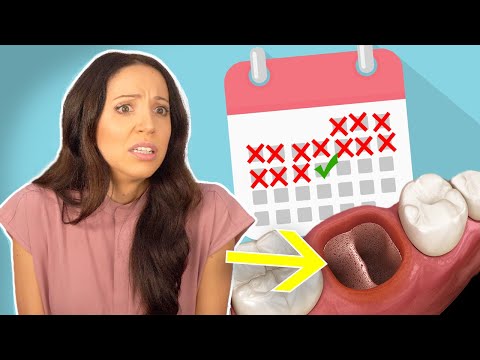
Visual Journey Through the Stages of Tooth Extraction Recovery
Understanding Tooth Extraction Recovery
Getting a tooth extracted can feel pretty daunting, but it’s more common than you might think. Knowing what happens during recovery can make the experience a little less scary. You may be wondering: how long does it take for a tooth extraction hole to heal? Let’s break it down.
The Healing Process
After a tooth is extracted, your body gets to work right away. Blood clot forms in the socket—this is crucial because it protects the bone and nerves underneath. Usually, the first few days are the most intense in terms of discomfort, swelling, and even some bleeding. But here’s a comforting thought: this all part of your body healing!
First Week
During the first week, you’ll notice significant changes. The initial pain and swelling should start to lessen. Most people find that by day three or four, they’re feeling much better overall. But don’t rush into solid foods just yet! Stick with soft foods to avoid disturbing that sensitive area.
Two Weeks Post-Extraction
By two weeks after the extraction, many folks feel like they’ve turned a corner. The hole where the tooth was should appear smaller and start to fill in with new tissue. However, take note: depending on various factors like your health or how complicated the extraction was, healing times can vary.
A Month and Beyond
A month out from your procedure? You’re likely seeing major progress! Most people have significant healing at this point; some may even feel back to normal! Still, it might take several months for everything to fully settle down inside that socket.
Factors Influencing Healing Time
- Your Health: Conditions like diabetes can slow down recovery times.
- The Tooth’s Condition: If the tooth was impacted or decayed severely before removal, healing might take longer.
- Aging: Older adults sometimes heal more slowly compared to younger individuals.
- If you smoke: Smoking inhibits blood flow and prolongs healing time; it’s best to avoid it during recovery.
Pain Management Tips
If you’re feeling discomfort afterwards—it’s totally normal! Over-the-counter pain relievers usually do help ease things up for most folks. Applying an ice pack on your cheek can also reduce swelling during those early days.
Pitfalls to Avoid During Recovery
- No Straws! Sucking action can dislodge that precious blood clot we talked about earlier.
- Avoid Spicy Foods: These may irritate the extraction site and lead to complications.
The Bottom Line?
The healing process following a tooth extraction varies from person to person but typically takes anywhere from one week up to a few months for full recovery of that area in your mouth. Pay attention to any signs of complications like persistent pain or unusual swelling; it’s always good idea reaching out if you’re unsure!
Your mouth goes through quite an incredible journey—it heals remarkably well over time with just some care! So hang in there as you recover—you’ve got this!
Essential Tips for a Smooth Recovery and Healthy Healing
After a tooth extraction, it’s totally normal to wonder how long that hole in your gum is gonna take to heal. The thing is, healing time can vary quite a bit from person to person. Usually, you might expect the initial healing phase to take about one to two weeks. But don’t worry, there are some things that can help along the way.
What Happens After Extraction?
When a tooth is removed, your body starts working right away. Blood clots form to protect the wound and kickstart healing. In the days following, the gum tissue begins repairing itself. However, complete healing of bone and soft tissues can take a few months.
Factors That Affect Healing Time
- Age: Younger people often heal faster than older adults.
- Health conditions: If you’ve got diabetes or other conditions, it might slow down healing.
- Smoking: Using tobacco can really slow down recovery.
- The complexity of the extraction: Some extractions are more complicated than others and may lead to longer healing times.
Caring for Your Extraction Site
You know what they say—an ounce of prevention is worth a pound of cure! Keeping your mouth clean is super important for smooth recovery. Here’s how:
- Avoid sucking: Don’t use straws; this could dislodged the blood clot protecting your wound.
- No spicy food: Stick with gentler foods while you’re healing; harsh spices can irritate it!
- Cuddle warm compresses: They help with any swelling or discomfort you may feel afterwards.
Pain Management
Pain after an extraction is pretty normal, but if it feels like too much? Over-the-counter painkillers can be your best friend here. Just follow package instructions and don’t hesitate to call someone for advice if pain persists longer than expected.
Sneaky Signs You’re Healing
You might be wondering how you’ll know if things are going well or not. Easing pain and less swelling are good signs! Also look for healthy colored gums—not red or overly swollen—and no unusual bleeding after a few days would indicate progress too.
If Something Feels Off…
If you notice excessive pain days later or maybe even bad breath that doesn’t go away? These could be signs of infection or dry socket—a condition where the blood clot gets dislodged before you’re fully healed. Definitely consider reaching out for advice if anything feels particularly concerning!
The road to recovery after tooth extraction isn’t always smooth sailing, but with caring for yourself followed by listening t0 what your body needs can make it way easier! And remember: each day that passes should bring you closer to feeling back to yourself again!
Understanding What Comes Next After Tooth Removal and How to Care for Your Healing Gums
Understanding What Comes Next After Tooth Removal
Getting a tooth removed can be a bit daunting. The truth is, many people experience some anxiety surrounding dental surgery. So, what happens next? Well, let’s break it down simply.
Immediate Aftercare
Right after the extraction, you’ll have a blood clot form in the socket or hole left behind. This is your body’s natural way of starting the healing process. If you’re feeling any discomfort, over-the-counter pain relievers can help manage this.
Healing Time
You might wonder how long the hole takes to heal completely. Typically, soft tissue heals in about one to two weeks. But don’t forget that the bone underneath takes longer—sometimes up to six months to fully remodel.
Signs of Complications
It’s important to watch for signs of complications like increased swelling or persistent pain beyond a few days. If something feels off, reaching out to your dentist is always a good idea.
Caring for Your Gums
Taking care of your gums during healing is super important. Rinse gently with warm salt water starting 24 hours after surgery. This helps keep the area clean without disrupting the clot.
- Avoid using straws for at least a week; suction can dislodge that precious clot.
- Stick to soft foods like yogurt or mashed potatoes while you’re healing.
- Try not to smoke; it can delay healing and increase risks of complications.
The Role of Diet
Your diet plays a big part too! Right after surgery, it’s normal to want comfort food, but focus on softer options first. Foods rich in vitamins and minerals will encourage faster recovery.
Follow-Up Appointments
If your dentist suggests follow-up appointments, don’t skip them! These check-ups help ensure everything is healing properly and allow for any questions you may have about your recovery process.
Your Healing Journey
The journey back to normal function takes time and patience. Listen to your body and give it the care it needs—like resting when you’re tired! And remember, each person heals differently; don’t compare yourself too harshly with others who have had extractions.
If you feel uncertain about anything during recovery—just ask! It’s always better to clarify than worry about something that could be easily addressed with a quick chat with your dental professional.
Understanding Tooth Extraction Healing
When you get a tooth extracted, it’s normal to wonder how long it’ll take for the hole to heal. The healing process usually takes about one to two weeks, but it can vary from person to person. Several factors play a role in this timeline.
The first few days after extraction are critical. You might experience swelling and some discomfort, which is totally expected. During this time, your body begins forming a clot in the extraction site. This clot is essential; it protects the bone and nerves underneath while new tissue starts to grow.
Factors Influencing Healing Time
- Individual Health: Your overall health can impact healing. If you have conditions like diabetes or take certain medications, recovery might take longer.
- Type of Tooth: Molars often require more extensive surgery than front teeth, resulting in longer healing times.
- Aftercare: Following your dentist’s instructions post-surgery will help speed up the healing process.
You may also hear about “dry socket,” which happens when the blood clot dislodges too early. It’s painful and can delay healing even more. Managing pain and keeping the area clean are key steps in avoiding this issue.
The bottom line? It typically takes time for your mouth to heal properly after an extraction. If you’re ever unsure or have concerns about prolonged pain or swelling, don’t hesitate to reach out to a professional for guidance.